
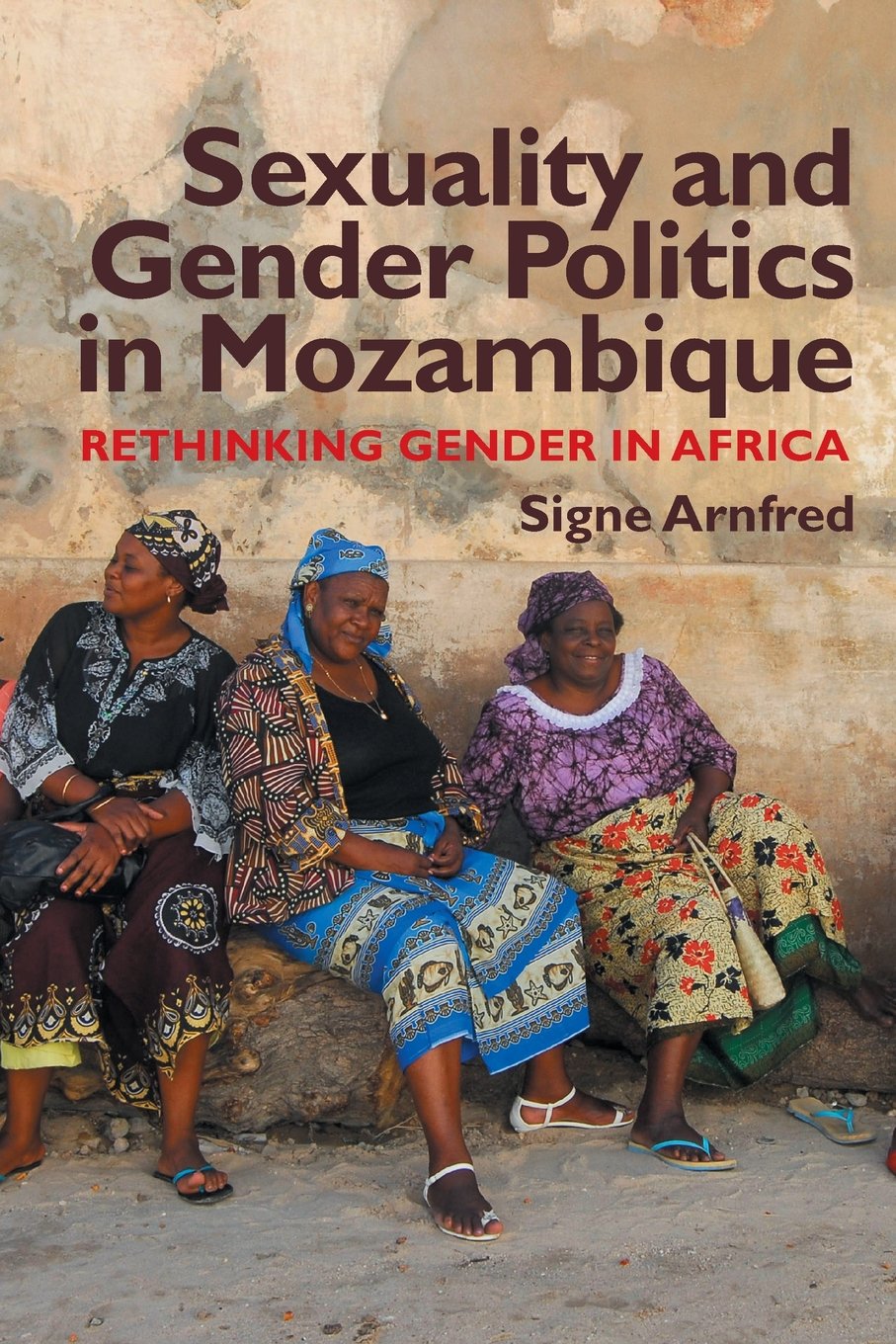
Title
Sexuality And Gender Politics In Mozambique: Rethinking Gender In Africa
Sold by Ergodebooks, an authorized reseller.
Returns accepted within 30 days | support@ergodebooks.com
Shipping Information
- Free Standard Shipping — United States only
- Processing Time: 3–5 business days
- Estimated Delivery: 6–10 business days after dispatch
- Double-boxed, fully insured & discreetly packaged
- Tracking number sent via email once dispatched
Returns & Refund
Returns accepted within 30 days of delivery.
Damaged or Defective Item
Free return shipping + replacement or full refund
Wrong Item Received
Free return shipping + replacement or full refund
Change of Mind
Return shipping at customer's expense · 25% restocking fee applies
Payment Option

Demonstrates Shortcomings In Western Feminist Conceptualizations, And Shows How Insights From African Feminist Thinking May Enhance Understandings Of Gender, Both In And Beyond Africa.Winner Of The 2012 Gender Research Award Krakaprisen.This Book Is About Gender Politics In Mozambique Over Three Decades From 1975 To 2005. The Book Is Also About Different Ways Of Understanding Gender And Sexuality. Gender Policies From Portuguese Colonialism, Through Frelimo Socialism To Later Neoliberal Economic Regimes Share Certain Basic Assumptions About Men, Women And Gender Relations. But To What Extent Do Such Assumptions Fit The Ways In Which Rural Mozambican Men And Women See Themselves? A Major Line Of Argument In The Book Is That Gender Relations Should Be Investigated, Not Assumed, And That Policies Not Matching People'S Lives Are Not Likely To Succeed.The Empirical Data, On Which The Argument Is Based, Are First A Unique Body Of Data Material Collected 19821984 By The National Women'S Organization, The Omm [When The Author Was Employed As A Sociologist In The Organization] Andsecondly Data Resulting From More Recent Fieldwork In Northern Mozambique.Importantly Inspired By African Postcolonial Feminist Lines Of Thinking, The Book Engages In A Project Of Remapping And Reinterpreting 'Culture Andtradition'. In This Context, The Book Investigates In Particular Matriliny [C. 40 Per Cent Of Mozambique'S Population Live Under Conditions Of Matriliny] And Female Initiation. The Findings Open New Avenues For Gender Politics, And For Rethinking Sexuality And Gender In Africa And Beyond.Signe Arnfred Is Associate Professor, Dept Of Society & Globalization, And Centre For Gender, Power & Diversity, Roskilde University
⚠️ WARNING (California Proposition 65):
This product may contain chemicals known to the State of California to cause cancer, birth defects, or other reproductive harm.
For more information, please visit www.P65Warnings.ca.gov.
- Q: What is the length, width, and height of this book? A: The book measures six point two six inches in length, one inch in width, and nine point zero two inches in height.
- Q: How many pages does the book have? A: The book contains three hundred twenty-eight pages, providing a comprehensive exploration of gender politics in Mozambique.
- Q: What type of binding does this book have? A: This book is available in paperback binding, making it flexible and lightweight for easy reading.
- Q: Who is the author of this book? A: The author of the book is Signe Arnfred, an Associate Professor specializing in gender studies.
- Q: What is the genre of this book? A: The book falls under the African studies genre, focusing on issues of gender and sexuality.
- Q: Is this book suitable for academic research? A: Yes, this book is suitable for academic research, particularly in gender studies and African politics.
- Q: What themes are explored in this book? A: The book explores themes of gender politics, sexuality, and the impact of colonialism and socialism in Mozambique.
- Q: Can this book be useful for understanding gender relations in other cultures? A: Yes, the insights from African feminist thinking discussed in this book may enhance understandings of gender relations globally.
- Q: Is this book appropriate for younger readers? A: The book is primarily aimed at an adult audience due to its complex themes and academic nature.
- Q: What should I do to care for this paperback book? A: To care for this paperback book, keep it in a dry place and avoid exposing it to direct sunlight to prevent fading.
- Q: How should I store this book? A: Store this book upright on a shelf or in a bookcase to prevent bending and damage to the spine.
- Q: Is there a warranty or return policy for this book? A: Typically, books do not have warranties, but check with the seller for their specific return policy.
- Q: What if the book arrives damaged? A: If the book arrives damaged, contact the seller immediately to request a replacement or refund.
- Q: Can I read this book if I am new to gender studies? A: Yes, this book can be read by newcomers to gender studies, although some background knowledge may enhance understanding.
- Q: Does this book include any illustrations? A: Yes, the book includes black and white illustrations that complement the text and provide visual context to the discussions.
- Q: Is the book available in digital format? A: Availability in digital format may vary; please check with the publisher or retailer for options.