
Title
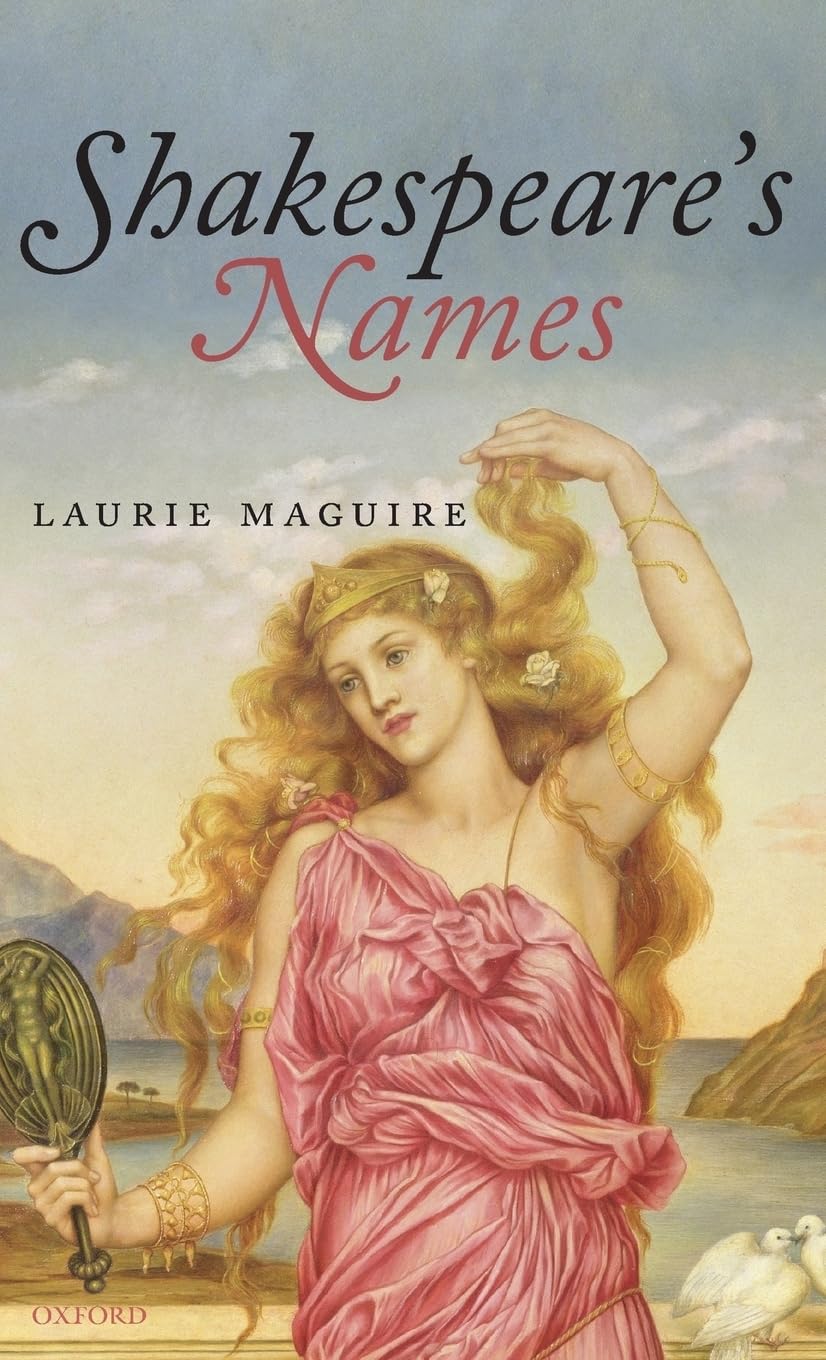
Shakespeare'S Names (Oxford Shakespeare Topics (Hardcover)),New
Sold by Ergodebooks, an authorized reseller.
Returns accepted within 30 days | support@ergodebooks.com
Shipping Information
- Free Standard Shipping — United States only
- Processing Time: 3–5 business days
- Estimated Delivery: 6–10 business days after dispatch
- Double-boxed, fully insured & discreetly packaged
- Tracking number sent via email once dispatched
Returns & Refund
Returns accepted within 30 days of delivery.
Damaged or Defective Item
Free return shipping + replacement or full refund
Wrong Item Received
Free return shipping + replacement or full refund
Change of Mind
Return shipping at customer's expense · 25% restocking fee applies
Payment Option

How do names attach themselves to particular objects and people and does this connection mean anything? This is a question which goes as far back as Plato and can still be seen in contemporary society with books of Names to Give Your Baby or Reader's Digest columns of apt names and professions. For the Renaissance the vexed question of naming was a subset of the larger but equally vexed subject of language: is language arbitrary and conventional (it is simply an agreed label for a preexisting entity) or is it motivated (it creates the entity which it names)? Shakespeare's Names is a book for languagelovers. Laurie Maguire's witty and learned study examines names, their origins, cultural attitudes to them, and naming practices across centuries and continents, exploring what it means for Shakespeare's characters to bear the names they do. She approaches her subject through close analysis of the associations and use of names in a range of Shakespeare plays, and in a range of performances. The focus is Shakespeare, and in particular six key plays: Romeo and Juliet; Comedy of Errors; The Taming of the Shrew; A Midsummer Night's Dream; All's Well that Ends Well; and Troilus and Cressida. But the book also shows what Shakespeare inherited and where the topic developed after him. Thus the discussion includes myth, the Bible, Greek literature, psychological analysis, literary theory, social anthropology, etymology, baptismal trends, puns, different cultures' and periods' social practice as regards the bestowing and interpreting of names, and English literature in the sixteenth, seventeenth, eighteenth, nineteenth, and twentieth centuries; the reader will also find material from contemporary journalism, film, and cartoons.
⚠️ WARNING (California Proposition 65):
This product may contain chemicals known to the State of California to cause cancer, birth defects, or other reproductive harm.
For more information, please visit www.P65Warnings.ca.gov.