
Title
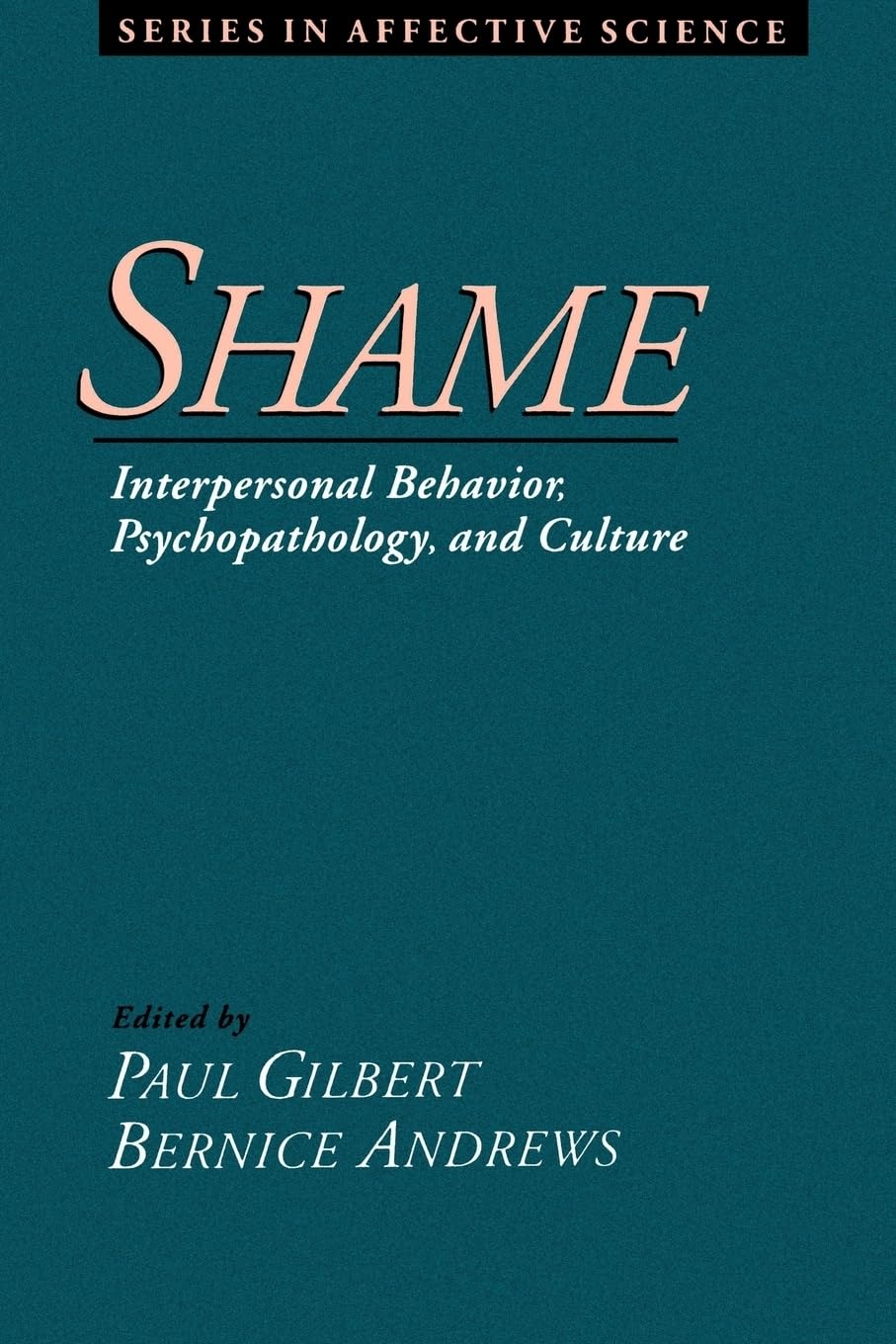
Shame: Interpersonal Behavior, Psychopathology, And Culture (Series In Affective Science)
Sold by Ergodebooks, an authorized reseller.
Returns accepted within 30 days | support@ergodebooks.com
Shipping Information
- Free Standard Shipping — United States only
- Processing Time: 3–5 business days
- Estimated Delivery: 6–10 business days after dispatch
- Double-boxed, fully insured & discreetly packaged
- Tracking number sent via email once dispatched
Returns & Refund
Returns accepted within 30 days of delivery.
Damaged or Defective Item
Free return shipping + replacement or full refund
Wrong Item Received
Free return shipping + replacement or full refund
Change of Mind
Return shipping at customer's expense · 25% restocking fee applies
Payment Option

One Of The Most Commonly Reported Emotions In People Seeking Psychotherapy Is Shame, And This Emotion Has Become The Subject Of Intense Research And Theory Over The Last 20 Years. In Shame: Interpersonal Behavior, Psychopathology, And Culture, Paul Gilbert And Bernice Andrews, Together With Some Of The Most Eminent Figures In The Field, Examine The Effect Of Shame On Social Behavior, Social Values, And Mental States. The Text Utilizes A Multidisciplinary Approach, Including Perspectives From Evolutionary And Clinical Psychology, Neurobiology, Sociology, And Anthropology.In Part I, The Authors Cover Some Of The Core Issues And Current Controversies Concerning Shame. Part Ii Explores The Role Of Shame On The Development Of The Infant Brain, Its Evolution, And The Relationship Between Shame As A Personal And Interpersonal Construct And Stigma. Part Iii Examines The Connection Between Shame And Psychopathology. Here, Authors Are Concerned With Outlining How Shame Can Significantly Influence The Formation, Manifestation, And Treatment Of Psychopathology. Finally, Part Iv Discusses The Notion That Shame Is Not Only Related To Internal Experiences But Also Conveys Socially Shared Information About One'S Status And Standing In The Community.Shame Will Be Essential Reading For Clinicians, Clinical Researchers, And Social Psychologists. With A Focus On Shame In The Context Of Social Behavior, The Book Will Also Appeal To A Wide Range Of Researchers In The Fields Of Sociology, Anthropology, And Evolutionary Psychology.
⚠️ WARNING (California Proposition 65):
This product may contain chemicals known to the State of California to cause cancer, birth defects, or other reproductive harm.
For more information, please visit www.P65Warnings.ca.gov.
- Q: What is the page count of the book? A: This book has three hundred four pages. It provides an in-depth exploration of shame and its effects on various aspects of psychology.
- Q: What is the binding type of this book? A: The binding type is paperback. This makes it lightweight and easier to handle for reading and carrying.
- Q: What are the dimensions of the book? A: The dimensions are nine point twenty-one inches in length, six point ten inches in width, and zero point eighty-three inches in height.
- Q: How do I read this book effectively? A: You can read this book by starting from the introduction and following the chapters sequentially. Each section builds on the concepts introduced earlier.
- Q: Is this book suitable for all ages? A: No, this book is primarily aimed at adults and professionals. It discusses complex psychological concepts that may not be suitable for younger audiences.
- Q: What is the recommended way to approach the topics in this book? A: It is recommended to take notes while reading to help internalize the multifaceted discussions about shame and its implications in various fields.
- Q: How should I store this book? A: Store this book in a cool, dry place, upright on a shelf. This will help maintain its condition and prevent any damage.
- Q: Can I lend this book to someone? A: Yes, you can lend this book. However, ensure that it is returned in good condition to preserve its quality.
- Q: How do I clean the book if it gets dirty? A: To clean the book, gently wipe the cover with a damp cloth. Avoid using any cleaning solutions that could damage the material.
- Q: What if I receive a damaged copy of the book? A: If you receive a damaged copy, you should contact the seller for a replacement or refund. Most sellers have policies in place for such situations.
- Q: Is this book a good resource for psychologists? A: Yes, this book is an excellent resource for psychologists. It examines shame from multiple viewpoints and provides insights relevant to clinical practice.
- Q: How does this book compare to other psychology texts? A: This book stands out due to its multidisciplinary approach, combining insights from psychology, sociology, and anthropology, unlike many texts that focus on a single discipline.
- Q: Is there a specific audience that would benefit most from this book? A: Yes, clinicians, clinical researchers, and social psychologists will benefit significantly from the research and theories presented in this book.
- Q: What topics does this book cover? A: This book covers various topics including the effects of shame on social behavior, development, stigma, and its relation to psychopathology.
- Q: Will this book provide practical applications for therapy? A: Yes, the book outlines how understanding shame can influence the treatment of psychopathology, offering practical insights for therapists.
- Q: Is the book backed by research? A: Yes, the book is backed by extensive research and contributions from eminent figures in the field of psychology, ensuring its credibility.