If you have any questions, you are always welcome to contact us. We'll get back to you as soon as possible, withing 24 hours on weekdays.
Customer service
All questions about your order, return and delivery must be sent to our customer service team by e-mail at yourstore@yourdomain.com
Sale & Press
If you are interested in selling our products, need more information about our brand or wish to make a collaboration, please contact us at press@yourdomain.com
Help
If you have any questions, you are always welcome to contact us. We'll get back to you as soon as possible, withing 24 hours on weekdays.
Customer service
All questions about your order, return and delivery must be sent to our customer service team by e-mail at yourstore@yourdomain.com
Sale & Press
If you are interested in selling our products, need more information about our brand or wish to make a collaboration, please contact us at press@yourdomain.com
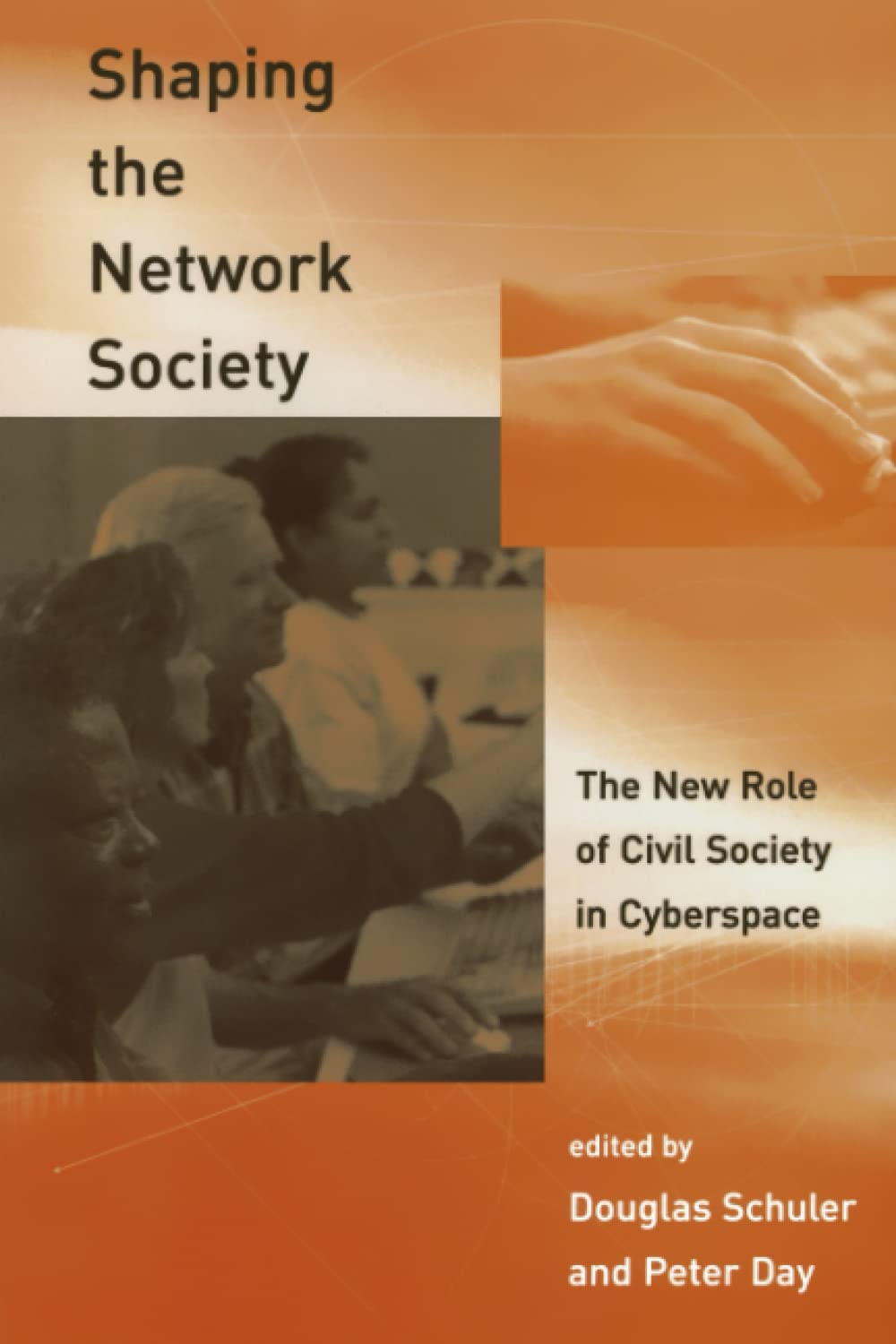
Information and computer technologies are used every day by real people with real needs. The authors contributing to Shaping the Network Society describe how technology can be used effectively by communities, activists, and citizens to meet society's challenges. In their vision, computer professionals are concerned less with bits, bytes, and algorithms and more with productive partnerships that engage both researchers and community activists. These collaborations are producing important sociotechnical work that will affect the future of the network society. Traditionally, academic research on realworld users of technology has been neglected or even discouraged. The authors contributing to this book are working to fill this gap; their theoretical and practical discussions illustrate a new orientation research that works with people in their natural social environments, uses common language rather than rarefied academic discourse, and takes a pragmatic perspective. The topics they consider are key to democratization and social change. They include human rights in the 'global billboard society'; public computing in Toledo, Ohio; public digital culture in Amsterdam; 'civil networking' in the former Yugoslavia; information technology and the international public sphere; 'historical archaeologies' of community networks; 'technobiographical' reflections on the future; libraries as information commons; and globalization and media democracy, as illustrated by Indymedia, a global collective of independent media organizations.
⚠️ WARNING (California Proposition 65):
This product may contain chemicals known to the State of California to cause cancer,
birth defects, or other reproductive harm.
For MAP (Minimum Advertised Price) violations and Intellectual Property (IP) or Trademark concerns, please contact:
support@ergodebooks.com
⚠️ California Proposition 65 Warning: Some products sold on this website may expose you to chemicals known to the State of California to cause cancer, birth defects, or other reproductive harm. For more information, visit www.P65Warnings.ca.gov.