
Title
Shell Shock Cinema: Weimar Culture And The Wounds Of War,New
Sold by Ergodebooks, an authorized reseller.
Returns accepted within 30 days | support@ergodebooks.com
Shipping Information
- Free Standard Shipping — United States only
- Processing Time: 3–5 business days
- Estimated Delivery: 6–10 business days after dispatch
- Double-boxed, fully insured & discreetly packaged
- Tracking number sent via email once dispatched
Returns & Refund
Returns accepted within 30 days of delivery.
Damaged or Defective Item
Free return shipping + replacement or full refund
Wrong Item Received
Free return shipping + replacement or full refund
Change of Mind
Return shipping at customer's expense · 25% restocking fee applies
Payment Option

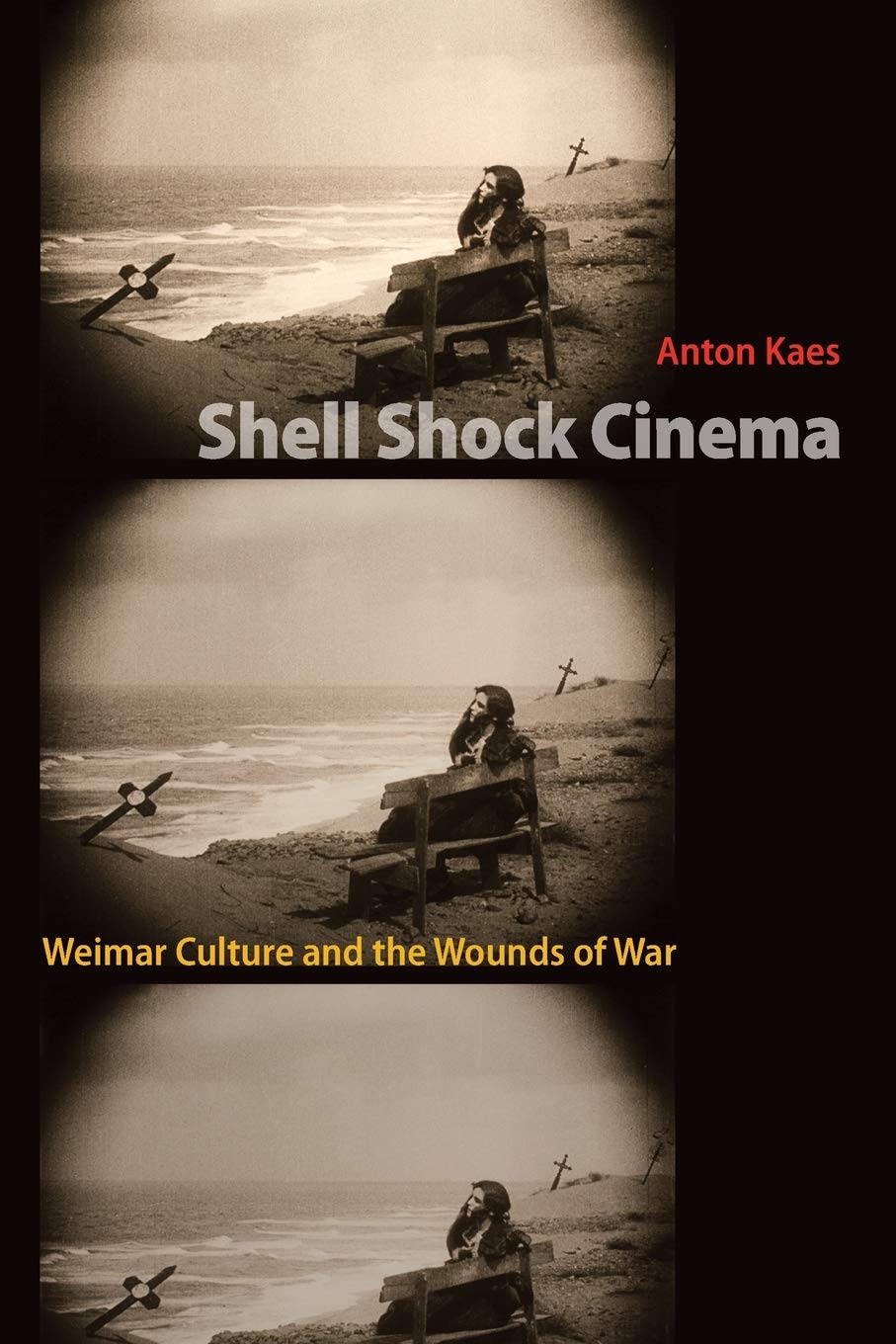
How War Trauma Haunted The Films Of Weimar Germanyshell Shock Cinema Explores How The Classical German Cinema Of The Weimar Republic Was Haunted By The Horrors Of World War I And The The Devastating Effects Of The Nation'S Defeat. In This Exciting New Book, Anton Kaes Argues That Masterworks Such As The Cabinet Of Dr. Caligari, Nosferatu, The Nibelungen, And Metropolis, Even Though They Do Not Depict Battle Scenes Or Soldiers In Combat, Engaged The War And Registered Its Tragic Aftermath. These Films Reveal A Wounded Nation In Posttraumatic Shock, Reeling From A Devastating Defeat That It Never Officially Acknowledged, Let Alone Accepted.Kaes Uses The Term 'Shell Shock'Coined During World War I To Describe Soldiers Suffering From Nervous Breakdownsas A Metaphor For The Psychological Wounds That Found Expression In Weimar Cinema. Directors Like Robert Wiene, F. W. Murnau, And Fritz Lang Portrayed Paranoia, Panic, And Fear Of Invasion In Films Peopled With Serial Killers, Mad Scientists, And Troubled Young Men. Combining Original Close Textual Analysis With Extensive Archival Research, Kaes Shows How This Posttraumatic Cinema Of Shell Shock Transformed Extreme Psychological States Into Visual Expression; How It Pushed The Limits Of Cinematic Representation With Its Fragmented Story Lines, Distorted Perspectives, And Stark Lighting; And How It Helped Create A Modernist Film Language That Anticipated Film Noir And Remains Incredibly Influential Today.A Compelling Contribution To The Cultural History Of Trauma, Shell Shock Cinema Exposes How German Film Gave Expression To The Loss And Acute Grief That Lay Behind Weimar'S Sleek Faade.
⚠️ WARNING (California Proposition 65):
This product may contain chemicals known to the State of California to cause cancer, birth defects, or other reproductive harm.
For more information, please visit www.P65Warnings.ca.gov.
- Q: What is the page count of this book? A: This book has three hundred twenty-eight pages. It provides a comprehensive exploration of Weimar cinema and its connection to war trauma.
- Q: What are the dimensions of 'Shell Shock Cinema'? A: The dimensions are six point twenty-six inches in length, zero point seventy-five inches in width, and nine point twenty-five inches in height. These measurements make it a portable paperback.
- Q: What type of binding does this book have? A: This book is a paperback edition. Paperback bindings are flexible and lightweight, making them ideal for casual reading.
- Q: How do I read 'Shell Shock Cinema'? A: You can read this book like any standard novel. It is suitable for anyone interested in film studies or cultural history.
- Q: Is this book suitable for beginners in film studies? A: Yes, this book is suitable for beginners. It introduces key concepts in Weimar cinema while providing an engaging narrative.
- Q: Is this book appropriate for young readers? A: No, this book is not intended for young readers. It discusses mature themes related to war trauma and psychological issues.
- Q: How should I store this paperback book? A: Store this book in a cool, dry place to avoid damage. Keeping it upright on a shelf can help maintain its condition.
- Q: How do I keep this book in good condition? A: To keep this book in good condition, avoid exposing it to moisture and direct sunlight. Handle it carefully to prevent creasing.
- Q: What if the book arrives damaged? A: If the book arrives damaged, you should contact the retailer for a return or replacement. Most retailers have policies for damaged goods.
- Q: What is the return policy for 'Shell Shock Cinema'? A: The return policy typically allows returns within a specific timeframe, usually thirty days. Check with the retailer for specific details.
- Q: Can I gift this book to someone interested in film? A: Yes, this book makes a great gift for anyone interested in film history or cultural studies. Its insights into Weimar cinema are valuable.
- Q: How does 'Shell Shock Cinema' compare to other books on film? A: This book offers a unique perspective on the psychological impact of war on cinema, setting it apart from general film history texts.
- Q: Is this book part of a larger series? A: No, 'Shell Shock Cinema' is a standalone publication. It focuses specifically on Weimar cinema and its themes.
- Q: Who is the author of this book? A: The author of 'Shell Shock Cinema' is Anton Kaes. He is known for his expertise in German cinema and cultural studies.
- Q: What themes are explored in this book? A: This book explores themes of war trauma, psychological wounds, and the cultural impact of the Weimar Republic's defeat.
- Q: Is there any adult content in this book? A: No, there is no explicit adult content in this book. However, it discusses mature themes related to trauma and psychological issues.