If you have any questions, you are always welcome to contact us. We'll get back to you as soon as possible, withing 24 hours on weekdays.
Customer service
All questions about your order, return and delivery must be sent to our customer service team by e-mail at yourstore@yourdomain.com
Sale & Press
If you are interested in selling our products, need more information about our brand or wish to make a collaboration, please contact us at press@yourdomain.com
Help
If you have any questions, you are always welcome to contact us. We'll get back to you as soon as possible, withing 24 hours on weekdays.
Customer service
All questions about your order, return and delivery must be sent to our customer service team by e-mail at yourstore@yourdomain.com
Sale & Press
If you are interested in selling our products, need more information about our brand or wish to make a collaboration, please contact us at press@yourdomain.com
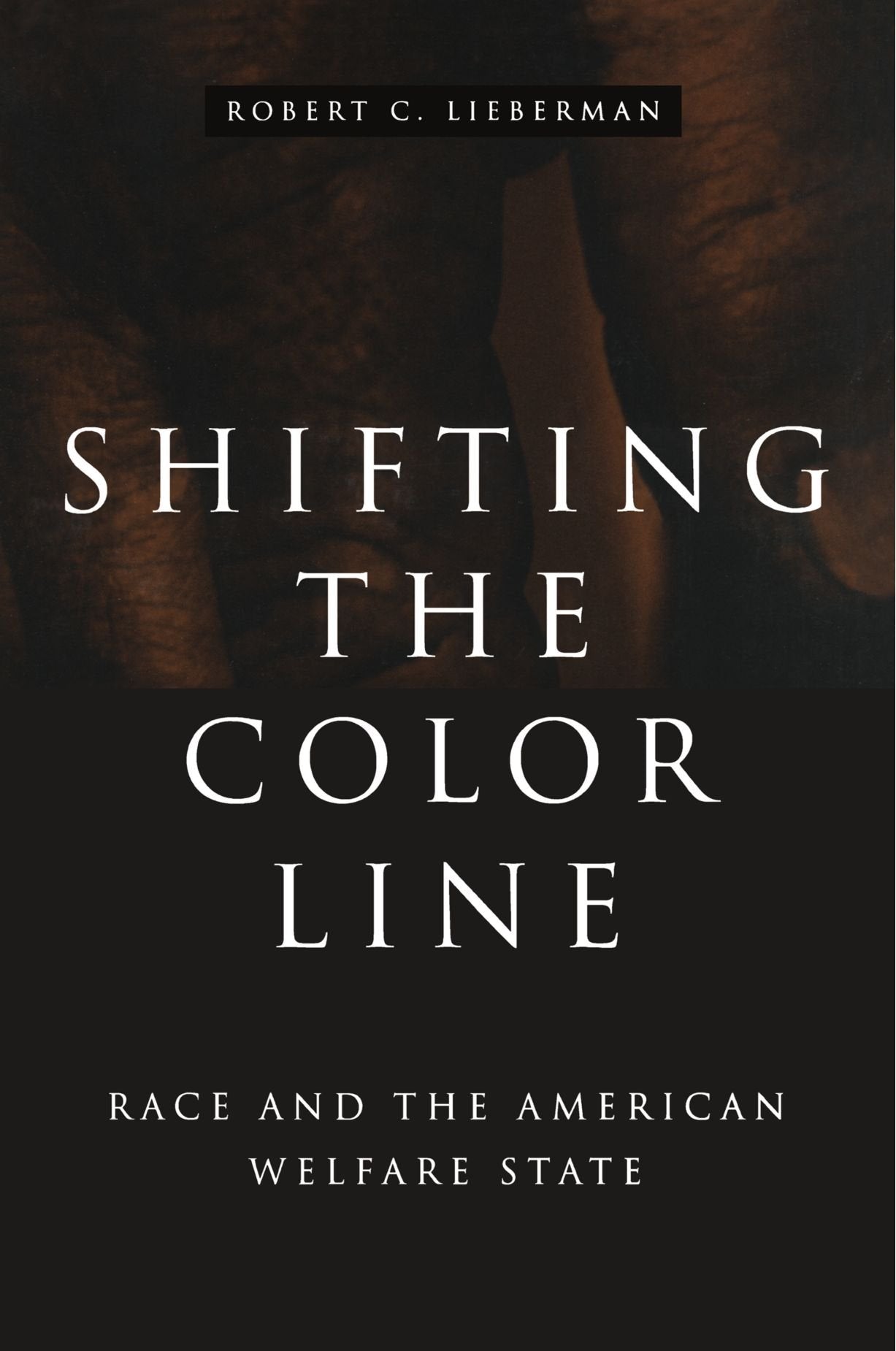
Despite The Substantial Economic And Political Strides That Africanamericans Have Made In This Century, Welfare Remains An Issue That Sharply Divides Americans By Race. Shifting The Color Line Explores The Historical And Political Roots Of Enduring Racial Conflict In American Welfare Policy, Beginning With The New Deal.Through Social Security And Other Social Insurance Programs, White Workers Were Successfully Integrated Into A Strong National Welfare State. At The Same Time, Africanamericansthen As Now Disproportionately Poorwere Relegated To The Margins Of The Welfare State, Through Decentralized, Often Racist, Public Assistance Programs.Over The Next Generation, These Institutional Differences Had Fateful Consequences For Africanamericans And Their Integration Into American Politics. Owing To Its Strong National Structure, Social Security Quickly Became The Closest Thing We Have To A Universal, Colorblind Social Program. On The Other Hand, Public Assistanceespecially Aid To Families With Dependent Children (Afdc)Continued To Treat Africanamericans Badly, While Remaining Politically Weak And Institutionally Decentralized.Racial Distinctions Were Thus Built Into The Very Structure Of The American Welfare State. By Keeping Poor Blacks At Arm'S Length While Embracing White Workers, National Welfare Policy Helped To Construct The Contemporary Political Divisionsmiddleclass Versus Poor, Suburb Versus City, And White Versus Blackthat Define The Urban Underclass.
⚠️ WARNING (California Proposition 65):
This product may contain chemicals known to the State of California to cause cancer,
birth defects, or other reproductive harm.
For MAP (Minimum Advertised Price) violations and Intellectual Property (IP) or Trademark concerns, please contact:
support@ergodebooks.com
⚠️ California Proposition 65 Warning: Some products sold on this website may expose you to chemicals known to the State of California to cause cancer, birth defects, or other reproductive harm. For more information, visit www.P65Warnings.ca.gov.