
Title
Shinsengumi: The Shogun's Last Samurai Corps,Used
Sold by Ergodebooks, an authorized reseller.
Returns accepted within 30 days | support@ergodebooks.com
Shipping Information
- Free Standard Shipping — United States only
- Processing Time: 3–5 business days
- Estimated Delivery: 6–10 business days after dispatch
- Double-boxed, fully insured & discreetly packaged
- Tracking number sent via email once dispatched
Returns & Refund
Returns accepted within 30 days of delivery.
Damaged or Defective Item
Free return shipping + replacement or full refund
Wrong Item Received
Free return shipping + replacement or full refund
Change of Mind
Return shipping at customer's expense · 25% restocking fee applies
Payment Option

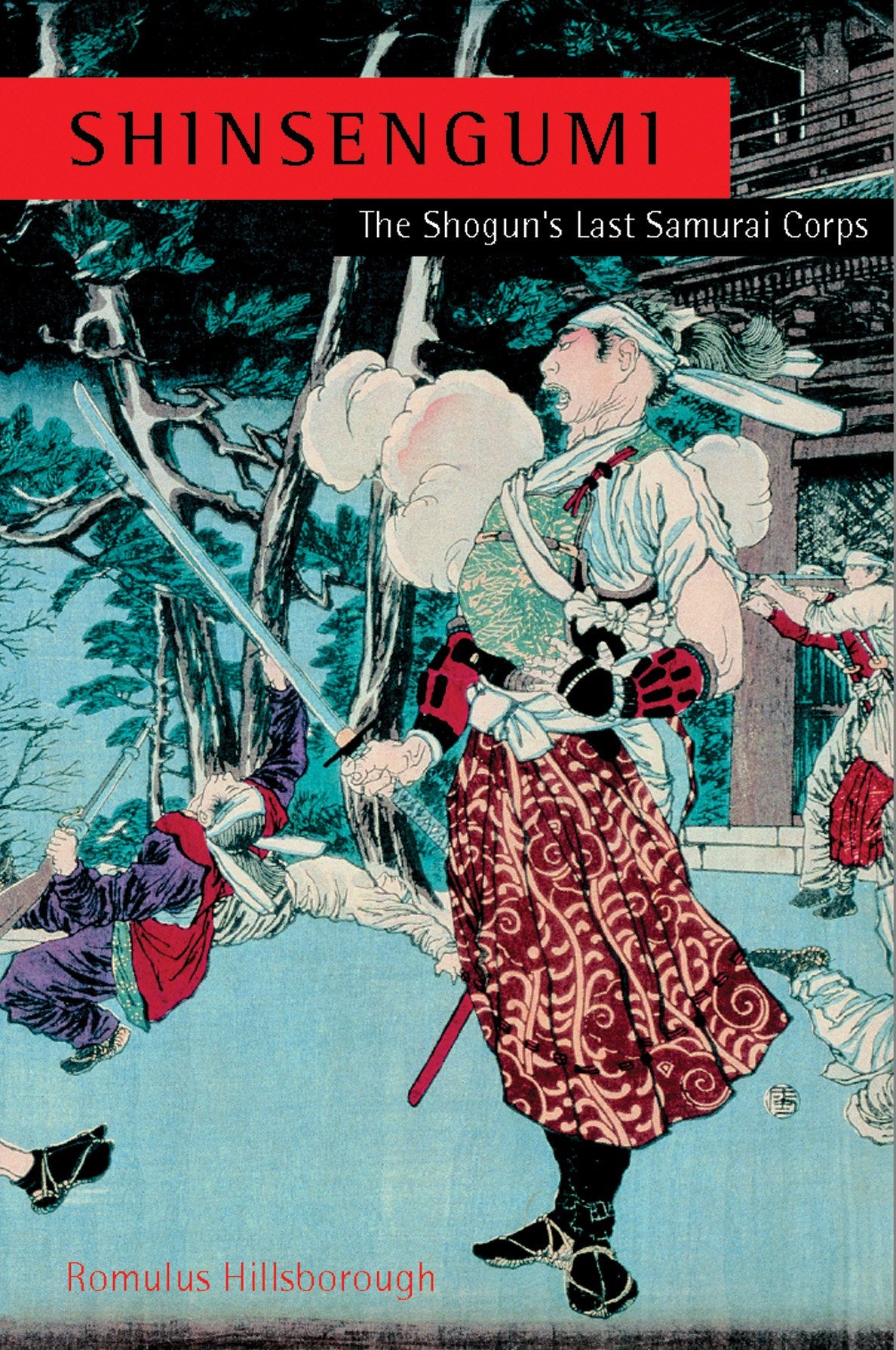
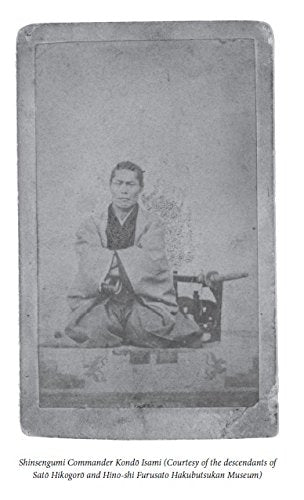
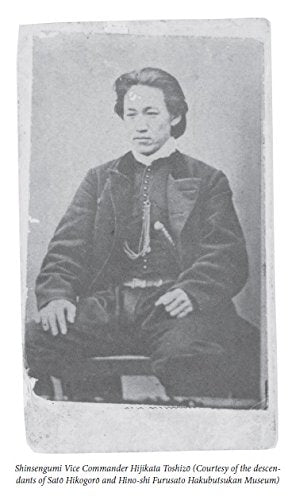
Shinsengumi: The Shogun's last Samurai Corps is the true story of the notorioussamurai corps formed in 1863 to arrest or kill the enemies of the TokugawaShogun. The only book in English about the Shinsengumi, it focuses on thecorps' two charismatic leaders, Kondo Isami and Hijikata Toshizo, bothimpeccable swordsmen. It is a historyinbrief of the final years of theBakufu, which collapsed in 1867 with the restoration of Imperial rule. Inwriting Shinsengumi, Hillsborough referred mostly toJapaneselanguage primary sources, including letters, memoirs, journals,interviews, and eyewitness accounts, as well as definitive biographies andhistories of the era.The fall of the shogun's government (Tokugawa Bakufu, or simply Bakufu) in1868, which had ruled Japan for over two and a half centuries, was the greatestevent in modern Japanese history.The revolution, known as the Meiji Restoration, began with the violentreaction of samurai to the Bakufu's decision in 1854 to open the theretoforeisolated country to 'Western barbarians.' Though opening the country wasunavoidable, it was seen as a sign of weakness by the samurai who clamored to'expel the barbarians.'Those samurai plotted to overthrow the shogun and restore the holy emperorto his ancient seat of power. Screaming 'heaven's revenge,' they wielded theirswords with a vengeance upon those loyal to the shogun.They unleashed a wave of terror at the center of the revolution theemperor's capital of Kyoto. Murder and assassination were rampant. By the endof 1862, hordes of renegade samurai, called ronin,had transformed the streets of the Imperial Capital into a 'sea of blood.'The shogun's administrators were desperate to stop the terror. A band ofexpert swordsmen was formed. It was given the name Shinsengumi ('NewlySelected Corps') and commissioned to eliminate the ronin andother enemies of the Bakufu.With unrestrained brutality bolstered by an official sanction to kill, theShinsengumi soon became the shogun's most dreaded security force.In this vivid historical narrative of the Shinsengumi, the only one in the English language,author Romulus Hillsborough paints a provocative and thrilling picture of thismost fascinating period in Japanese history.
⚠️ WARNING (California Proposition 65):
This product may contain chemicals known to the State of California to cause cancer, birth defects, or other reproductive harm.
For more information, please visit www.P65Warnings.ca.gov.
- Q: What is the main focus of 'Shinsengumi: The Shogun's Last Samurai Corps'? A: The book focuses on the true story of the Shinsengumi, a notorious samurai corps formed in 1863, detailing their efforts to uphold the Tokugawa Shogunate and their two charismatic leaders, Kondo Isami and Hijikata Toshizo.
- Q: Who is the author of this book? A: The author is Romulus Hillsborough, who has extensively researched Japanese-language primary sources to provide an accurate historical narrative.
- Q: What type of binding does this book have? A: The book is available in hardcover binding, which provides durability and a premium feel.
- Q: How many pages does 'Shinsengumi: The Shogun's Last Samurai Corps' contain? A: The book contains 256 pages, offering a concise yet detailed overview of the Shinsengumi and their historical significance.
- Q: What condition is the book in if it is labeled 'Very Good'? A: A 'Very Good' condition indicates that the book has been well cared for, showing minimal signs of wear and tear, and is fully intact.
- Q: When was 'Shinsengumi: The Shogun's Last Samurai Corps' published? A: The book was published on September 15, 2005.
- Q: Is this book suitable for readers unfamiliar with Japanese history? A: Yes, the book provides a history-in-brief that is accessible to readers who may not have extensive knowledge of Japanese history.
- Q: What historical events does the book cover? A: The book covers the final years of the Tokugawa Shogunate, the Meiji Restoration, and the violent conflicts involving the Shinsengumi and ronin.
- Q: Does the book include primary sources or references? A: Yes, Romulus Hillsborough references Japanese-language primary sources, including letters, memoirs, and interviews, which enrich the narrative.
- Q: What is the significance of the Shinsengumi in Japanese history? A: The Shinsengumi played a crucial role during a tumultuous period in Japan, acting as a security force for the shogunate and influencing the events leading to the Meiji Restoration.