
Title
Shipwrecked: Disaster and Transformation in Homer, Shakespeare, Defoe, and the Modern World,Used
Sold by Ergodebooks, an authorized reseller.
Returns accepted within 30 days | support@ergodebooks.com
Shipping Information
- Free Standard Shipping — United States only
- Processing Time: 3–5 business days
- Estimated Delivery: 6–10 business days after dispatch
- Double-boxed, fully insured & discreetly packaged
- Tracking number sent via email once dispatched
Returns & Refund
Returns accepted within 30 days of delivery.
Damaged or Defective Item
Free return shipping + replacement or full refund
Wrong Item Received
Free return shipping + replacement or full refund
Change of Mind
Return shipping at customer's expense · 25% restocking fee applies
Payment Option

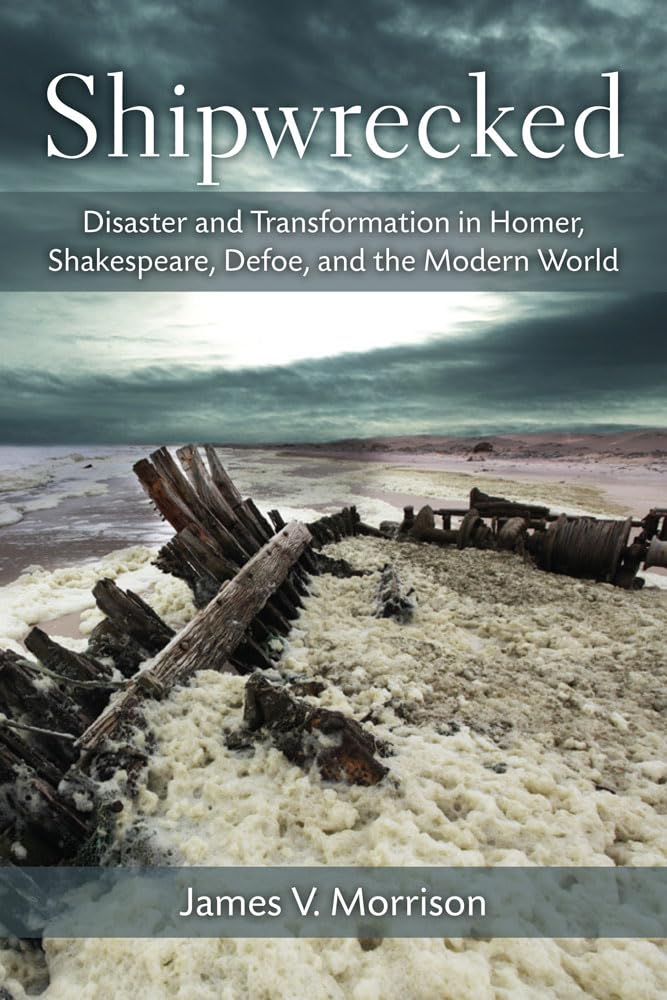
Shipwrecked: Disaster and Transformation in Homer, Shakespeare, Defoe, and the Modern World presents the first comparative study of notable literary shipwrecks from the past four thousand years, focusing on Homers Odyssey, Shakespeares The Tempest, and Defoes Robinson Crusoe. James V. Morrison considers the historical context as well as the triggers (such as the 1609 Bermuda shipwreck) that inspired some of these works, and modern responses such as novels (Goldings Lord of the Flies, Coetzees Foe, and Gordons First on Mars, a science fiction version of the Crusoe story), movies, television (Forbidden Planet, Cast Away, and Lost), and the poetry and plays of Caribbean poets Derek Walcott and Aim Csaire.The recurrent treatment of shipwrecks in the creative arts demonstrates an enduring fascination with this archetypal scene: a shipwreck survivor confronting the elements. It is remarkable, for example, that the characters in the 2004 television show Lost share so many features with those from Homers Odyssey and Shakespeares The Tempest.For survivors who are stranded on an island for some period of time, shipwrecks often present the possibility of a change in political and social statusas well as romance and even paradise. In each of the major shipwreck narratives examined, the poet or novelist links the castaways arrival on a new shore with the possibility of a new sort of life. Readers will come to appreciate the shift in attitude toward the opportunities offered by shipwreck: older texts such as the Odyssey reveals a trajectory of returning to the previous order. In spite of enticing new temptations, Odysseusand some of the survivors in The Tempestrevert to their previous lives, rejecting what many might consider paradise. Odysseus is reestablished as king; Prospero travels back to Milan. In such situations, we may more properly speak of potential transformations. In contrast, many recent shipwreck narratives instead embrace the possibility of a new sort of existence. That even now the shipwreck theme continues to be treated, in multiple media, testifies to its longlasting appeal to a very wide audience.
⚠️ WARNING (California Proposition 65):
This product may contain chemicals known to the State of California to cause cancer, birth defects, or other reproductive harm.
For more information, please visit www.P65Warnings.ca.gov.