
Title
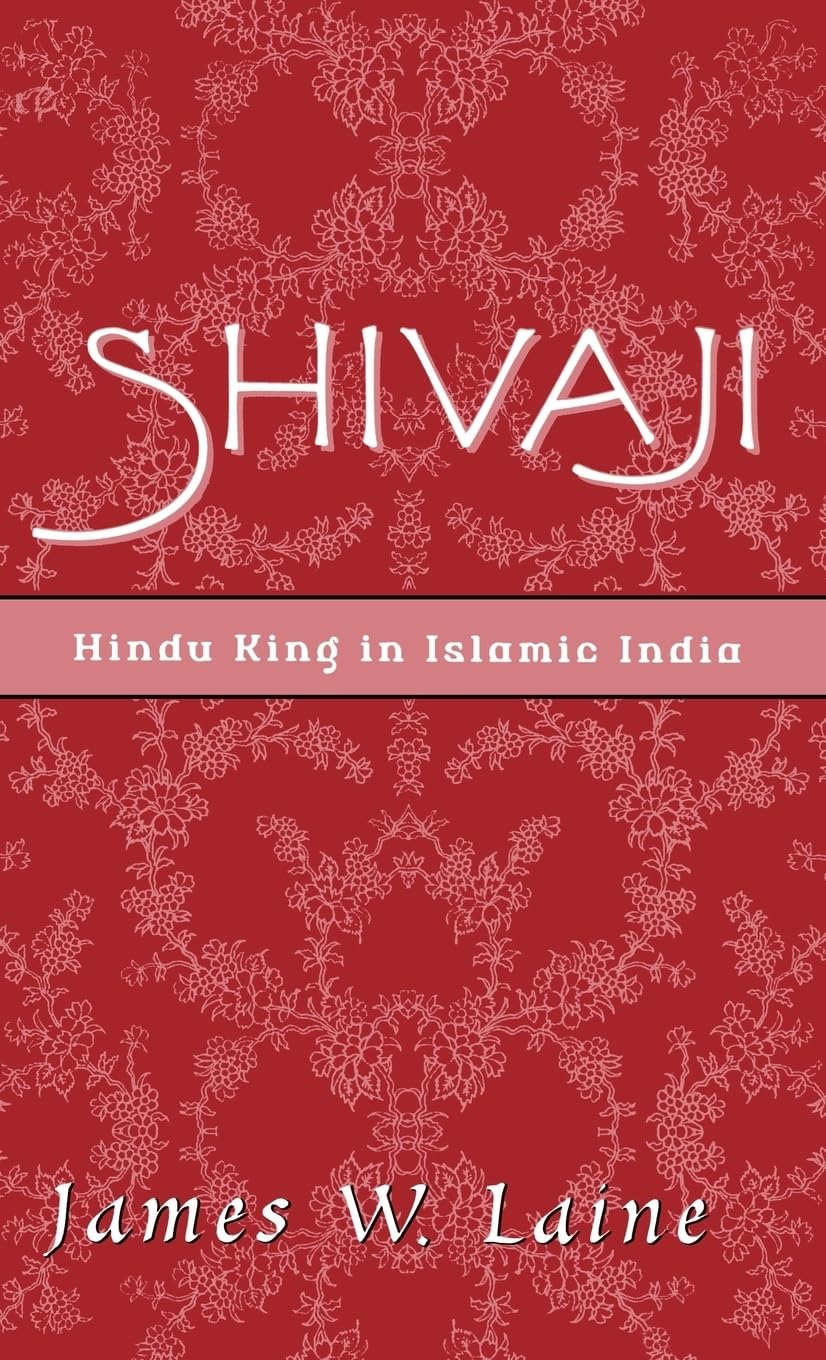
Shivaji: Hindu King in Islamic India,Used
Sold by Ergodebooks, an authorized reseller.
Returns accepted within 30 days | support@ergodebooks.com
Shipping Information
- Free Standard Shipping — United States only
- Processing Time: 3–5 business days
- Estimated Delivery: 6–10 business days after dispatch
- Double-boxed, fully insured & discreetly packaged
- Tracking number sent via email once dispatched
Returns & Refund
Returns accepted within 30 days of delivery.
Damaged or Defective Item
Free return shipping + replacement or full refund
Wrong Item Received
Free return shipping + replacement or full refund
Change of Mind
Return shipping at customer's expense · 25% restocking fee applies
Payment Option

Shivaji is a wellknown hero in western India. He defied Mughal power in the seventeenth century, established an independent kingdom, and had himself crowned in an orthodox Hindu ceremony. The legends of his life have become an epic story that everyone in western India knows, and an important part of the Hindu nationalists' ideology. To read Shivaji's legend today is to find expression of deeply held convictions about what Hinduism means and how it is opposed to Islam.James Laine traces the origin and development if the Shivaji legend from the earliest sources to the contemporary accounts of the tale. His primary concern is to discover the meaning of Shivaji's life for those who have composedand those who have readthe legendary accounts of his military victories, his daring escapes, his relationships with saints. In the process, he paints a new and more complex picture of HinduMuslim relations from the seventeenth century to the present. He argues that this relationship involved a variety of compromises and strategies, from conflict to accommodation to nuanced collaboration. Neither Muslims nor Hindus formed clearly defined communities, says Laine, and they did not relate to each other as opposed monolithic groups. Different subgroups, representing a range of religious persuasions, found it in their advantage to accentuate or diminish the importance of Hindu and Muslim identity and the ideologies that supported the construction of such identities. By studying the evolution of the Shivaji legend, Laine demonstrates, we can trace the development of such constructions in both preBritish and postcolonial periods.
⚠️ WARNING (California Proposition 65):
This product may contain chemicals known to the State of California to cause cancer, birth defects, or other reproductive harm.
For more information, please visit www.P65Warnings.ca.gov.