
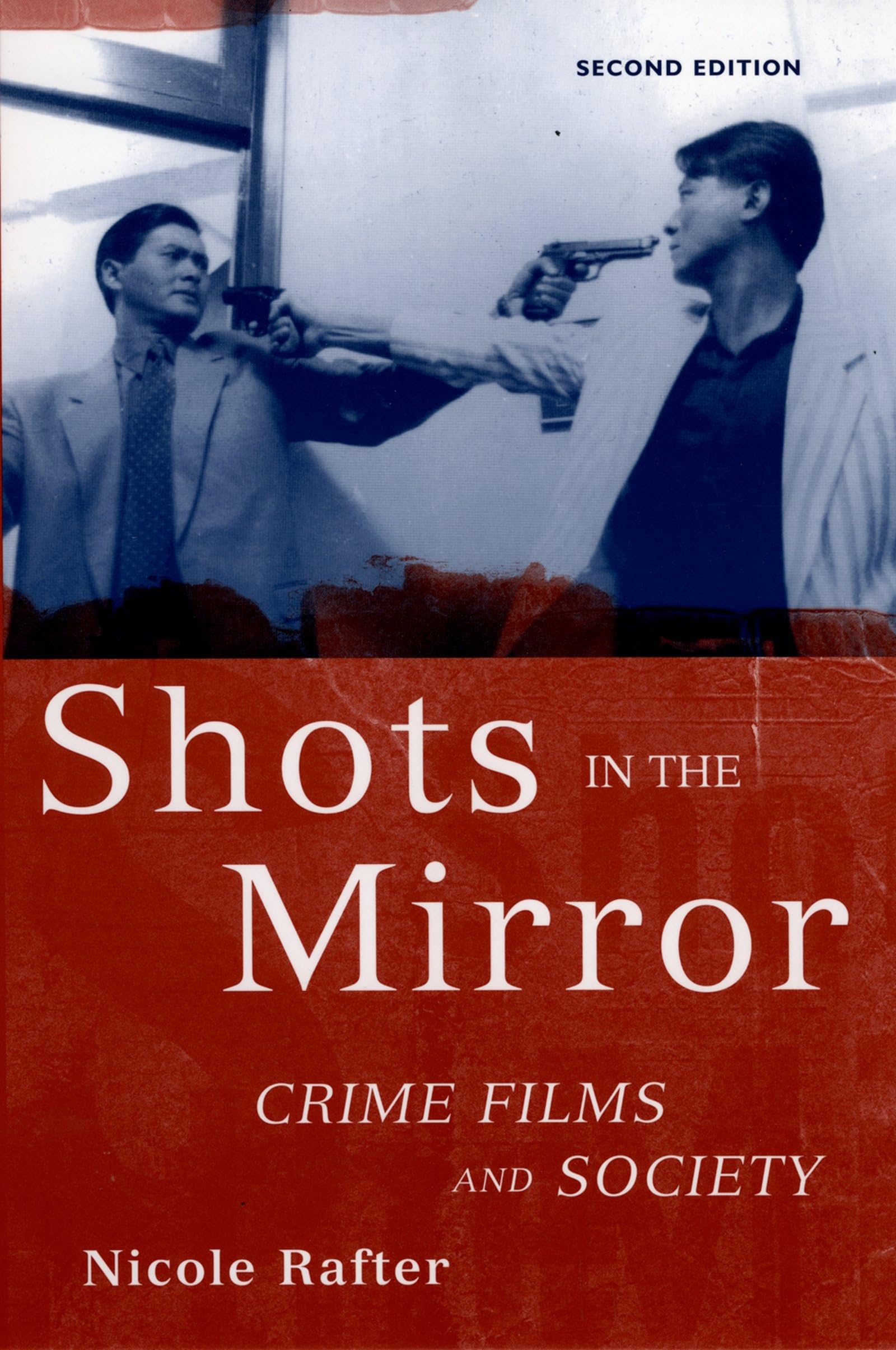
Title
Shots In The Mirror: Crime Films And Society
Sold by Ergodebooks, an authorized reseller.
Returns accepted within 30 days | support@ergodebooks.com
Shipping Information
- Free Standard Shipping — United States only
- Processing Time: 3–5 business days
- Estimated Delivery: 6–10 business days after dispatch
- Double-boxed, fully insured & discreetly packaged
- Tracking number sent via email once dispatched
Returns & Refund
Returns accepted within 30 days of delivery.
Damaged or Defective Item
Free return shipping + replacement or full refund
Wrong Item Received
Free return shipping + replacement or full refund
Change of Mind
Return shipping at customer's expense · 25% restocking fee applies
Payment Option

Movies Play A Central Role In Shaping Our Understanding Of Crime And The World Generally, Helping Us Define What Is Good And Bad, Desirable And Unworthy, Lawful And Illicit, Strong And Weak. Crime Films Raise Controversial Issues About The Distribution Of Social Power And The Meanings Of Deviance, And They Provide A Safe Space For Fantasies Of Rebellion, Punishment, And The Restoration Of Order.In The First Comprehensive Study Of Its Kind, Wellknown Criminologist Nicole Rafter Examines The Relationship Between Society And Crime Films From The Perspectives Of Criminal Justice, Film History And Technique, And Sociology. Shots In The Mirror Begins With An Overview Of The History Of Crime Films And The Emergence Of Various Genres, Surveying Important Films From The Silent Era, The Early Gangster Films Of The '30S, Classic Film Noir, The Work Of Hitchcock, And Recent Innovations By Scorsese, Tarrentino, And The Coen Brothers.Keeping Pace With The Evolution Of Crime Films, Shots In The Mirror Has Been Updated To Respond To Recent Developments, Trends, And Shifting Circumstances In The Genre. This New Edition Expands The Scope And Increases The Depth And Variety Of The Previous Edition By Including Foreign Films In Addition To American Movies. Rafter Also Integrates An Entirely New Body Of Literature Into The Study, Reflecting The Rapid Expansion Of Scholarship On Lawrelated Films Over The Past Three Years. She Has Added A Chapter On Psycho Movies, A Previously Unrecognized Subcategory Of Crime Films. Another New Chapter, The Alternative Tradition And Films Of Moral Ambiguity, Focuses On Recent Sex Crime Films. This New Final Chapter Grows Organically Out Of The First Edition'S Distinction Between Traditional Crime Films, With Their Easy Solutions To Social Problems, And Those More Unusual Critical Films Which Belong To The Bleaker, Morally Ambiguous, Alternative Tradition.Rafter Examines More Than Three Hundred Films In This Study, Considering What They Have To Say, Socially And Ideologically, About The Causes Of Crime, And Adding Valuable Contributions To The Ongoing Debate On Whether Media Representations Of Violence Cause Crime. Shots In The Mirror Is Both A Marvelous History Of Crime Films And A Trenchant Analysis Of Their Complex Relationship To Larger Society.
⚠️ WARNING (California Proposition 65):
This product may contain chemicals known to the State of California to cause cancer, birth defects, or other reproductive harm.
For more information, please visit www.P65Warnings.ca.gov.
- Q: How many pages does the book have? A: The book has two hundred eighty-eight pages. This length provides a comprehensive exploration of crime films and their impact on society.
- Q: What is the binding type of this book? A: The book is paperback bound. This type of binding makes it lightweight and flexible for easy reading.
- Q: What are the dimensions of this book? A: The book measures six point sixteen inches in length, zero point seventy-five inches in width, and nine point twenty-nine inches in height. These dimensions make it a convenient size for both reading and storage.
- Q: What genre does this book belong to? A: This book falls under the genre of Performing Arts. It specifically examines the intersection of crime films and societal issues.
- Q: Who is the author of this book? A: The author is Nicole Rafter. She is a well-known criminologist recognized for her work in the field of crime films.
- Q: Is this book suitable for academic studies? A: Yes, this book is suitable for academic studies. It provides a thorough analysis of crime films and their societal implications, making it a valuable resource for students and scholars.
- Q: How do I approach reading this book? A: You can read this book at your own pace. It is structured to provide insights into crime films and their relation to society, making it ideal for both casual readers and those seeking in-depth knowledge.
- Q: Is this book appropriate for high school students? A: Yes, the book is appropriate for high school students. It discusses themes related to crime and society, which can be relevant and engaging for this age group.
- Q: Can this book be used for film studies courses? A: Yes, this book can be used for film studies courses. It provides a comprehensive overview of crime films, making it a relevant resource for understanding the genre.
- Q: What is the best way to care for this book? A: To care for this book, store it in a cool, dry place and keep it away from direct sunlight. This will help preserve the quality of the pages and cover.
- Q: Is there any special storage requirement for this book? A: No special storage requirements are needed for this book. Just ensure it is kept in a safe place to avoid damage.
- Q: What should I do if the book arrives damaged? A: If the book arrives damaged, you should contact the seller for a return or exchange. Most retailers have policies in place for damaged items.
- Q: Does this book contain any sensitive content? A: Yes, the book addresses sensitive themes related to crime and societal issues. Readers should be prepared for discussions of deviance and morality.
- Q: What makes this book different from other crime film studies? A: This book is unique because it integrates recent scholarship and a broader range of films, including foreign titles, while also addressing moral ambiguity in crime films.
- Q: How does this book contribute to the understanding of crime films? A: This book contributes by examining over three hundred films and analyzing their social and ideological messages regarding crime and society.
- Q: What topics are covered in the new chapters of this book? A: The new chapters cover psycho movies and the alternative tradition in crime films, focusing on moral ambiguity and recent sex crime films.