
Title
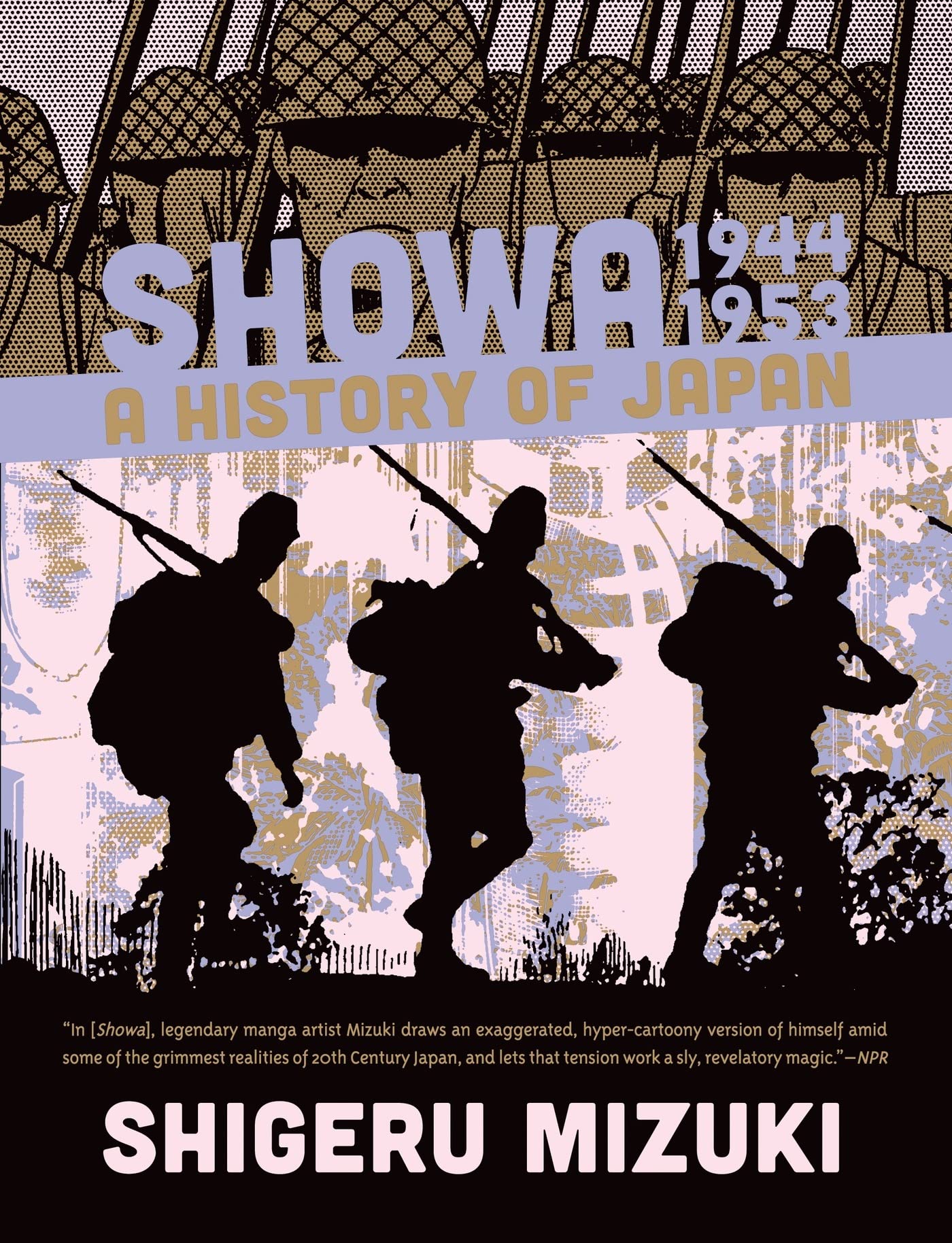
Showa 19441953: A History Of Japan (Showa: A History Of Japan, 3)
Sold by Ergodebooks, an authorized reseller.
Returns accepted within 30 days | support@ergodebooks.com
Shipping Information
- Free Standard Shipping — United States only
- Processing Time: 3–5 business days
- Estimated Delivery: 6–10 business days after dispatch
- Double-boxed, fully insured & discreetly packaged
- Tracking number sent via email once dispatched
Returns & Refund
Returns accepted within 30 days of delivery.
Damaged or Defective Item
Free return shipping + replacement or full refund
Wrong Item Received
Free return shipping + replacement or full refund
Change of Mind
Return shipping at customer's expense · 25% restocking fee applies
Payment Option

A Sweeping Yet Intimate Portrait Of The Legacy Of World War Ii In Japanshowa 19441953: A History Of Japan Continues The Awardwinning Author Shigeru Mizuki'S Autobiographical And Historical Account Of The Showa Period In Japan. This Volume Recounts The Events Of The Final Years Of The Pacific War, And The Consequences Of The War'S Devastation For Mizuki And The Japanese Populace At Large.After The Surprise Attack At Pearl Harbor, Japan And The United States Are Officially At War. The Two Rival Navies Engage In A Deadly Game Of Feint And Thrust, Waging A Series Of Microwars Across The Tiny Pacific Islands. From Guadalcanal To Okinawa, Japan Slowly Loses Ground. Finally, The United States Unleashes The Deathblow With A New And Terrible Weaponthe Atomic Bomb. The Fallout From The Bombs Is Beyond Imagining.On Another Front, Showa 19441953 Traces Mizuki'S Own Life Story Across History'S Sweeping Changes During This Period, Charting The Impact Of The War'S End On His Life Choices. After Losing His Arm During The Brutal Fighting, Mizuki Struggles To Decide Where To Go: Whether To Remain On The Island As An Honored Friend Of The Local Tolai People Or Return To The Rubble Of Japan And Take Up His Dream Of Becoming A Cartoonist. Showa 19441953 Is A Searing Condemnation Of The Personal Toll Of War From One Of Japan'S Most Famous Cartoonists.
⚠️ WARNING (California Proposition 65):
This product may contain chemicals known to the State of California to cause cancer, birth defects, or other reproductive harm.
For more information, please visit www.P65Warnings.ca.gov.
- Q: How many pages are in Showa 1944-1953? A: Showa 1944-1953 has five hundred thirty-six pages. This extensive length allows for a detailed exploration of the events during the final years of the Pacific War.
- Q: What is the binding type of this book? A: The book is published in paperback binding. This makes it flexible and lightweight, ideal for casual reading.
- Q: What are the dimensions of Showa 1944-1953? A: The dimensions of the book are six point thirty-eight inches in length, one point ninety-seven inches in width, and eight point seventy-four inches in height. These measurements make it an easily portable read.
- Q: Who is the author of Showa 1944-1953? A: The author of Showa 1944-1953 is Shigeru Mizuki. He is well-known for his autobiographical and historical narratives, particularly about Japan's history.
- Q: What genre does Showa 1944-1953 belong to? A: Showa 1944-1953 is categorized as nonfiction. It combines autobiographical elements with historical accounts of Japan during the Showa era.
- Q: How should I read Showa 1944-1953? A: You can read Showa 1944-1953 at your own pace. It is suitable for anyone interested in history, particularly Japan's World War II experiences.
- Q: Is this book appropriate for young readers? A: Yes, but with caution. While it provides historical insights, the themes of war may not be suitable for very young children.
- Q: What themes are explored in Showa 1944-1953? A: The book explores themes of war, personal loss, and the impact of historical events on individual lives. Mizuki's narrative provides a deep dive into the consequences of World War II in Japan.
- Q: How should I store Showa 1944-1953? A: Store the book in a cool, dry place, away from direct sunlight. This will help preserve the quality of the paperback binding and the pages.
- Q: Can I take Showa 1944-1953 outdoors? A: Yes, you can take the book outdoors. However, avoid exposing it to moisture or extreme temperatures to maintain its condition.
- Q: What if I receive a damaged copy of Showa 1944-1953? A: If you receive a damaged copy, you should contact the seller for a return or exchange process. Most sellers will accommodate issues with damaged goods.
- Q: Is there a warranty for Showa 1944-1953? A: Generally, books do not come with a warranty. However, check with the retailer for their return policy regarding damaged or unsatisfactory items.
- Q: How does Showa 1944-1953 compare to other historical narratives? A: Showa 1944-1953 offers a unique personal perspective compared to other historical narratives. Mizuki combines his autobiography with historical events, providing a distinct voice.
- Q: Is Showa 1944-1953 suitable for academic study? A: Yes, it is suitable for academic study. The book provides valuable insights into Japan's history during World War II, making it a useful resource.
- Q: How can Showa 1944-1953 enhance my understanding of Japan's history? A: Reading this book can enhance your understanding by providing a personal narrative intertwined with historical facts, illustrating the human impact of the events.