
Title
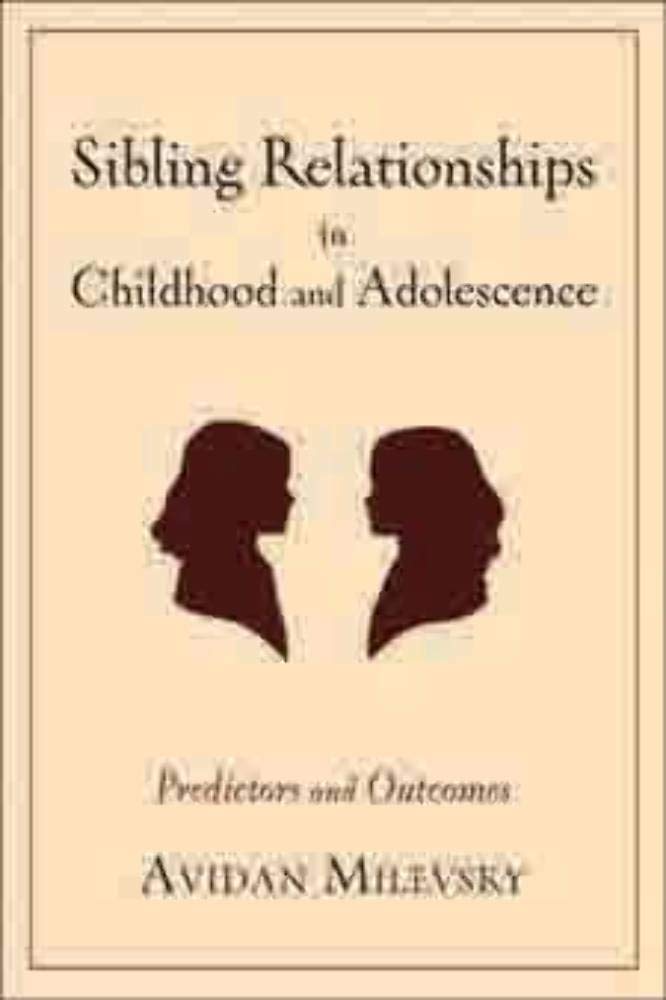
Sibling Relationships in Childhood and Adolescence: Predictors and Outcomes,Used
Sold by Ergodebooks, an authorized reseller.
Returns accepted within 30 days | support@ergodebooks.com
Shipping Information
- Free Standard Shipping — United States only
- Processing Time: 3–5 business days
- Estimated Delivery: 6–10 business days after dispatch
- Double-boxed, fully insured & discreetly packaged
- Tracking number sent via email once dispatched
Returns & Refund
Returns accepted within 30 days of delivery.
Damaged or Defective Item
Free return shipping + replacement or full refund
Wrong Item Received
Free return shipping + replacement or full refund
Change of Mind
Return shipping at customer's expense · 25% restocking fee applies
Payment Option

The most longlasting and enduring relationship an individual can develop is with a sibling. Considering the closeness in age and early association of siblings, they can bond for a lifetime. Psychologists are beginning to appreciate the sibling link and its dynamic role in a child's social development. Beyond the motherchild dyad, sibling associations are now attributed with determining cognitive faculties, emotional balance, selfsufficiency, and peer interactions.Clarifying the complex processes of these relationships and the benefit of parental involvement, Avidan Milevsky provides a foundational text for a growing area of study. Deploying personal narrative, theoretical examinations, and empirical data, he unravels the intricacies of the sibling exchange and their function in overall family structures. He identifies the factors that make such bonds successful (or harmful) and the influence of parents in shaping these outcomes. He also evaluates the compensatory possibilities of the sibling bond when faced with the absence of a parent or friend.Variables such as age, birth order, gender, and family size are tremendous considerations, and parents hoping to enhance the sibling bond gain immensely from understanding these predictors. Milevsky shows practitioners how to educate parents and help them apply their knowledge in practice. He particularly supplies crucial perspective on 'deidentification,' or conscious differentiation, in which parents encourage different life paths to minimize sibling comparison and competition. A major tool for clinicians, social service providers, and educators, this book clarifies the next frontier in child development research.
⚠️ WARNING (California Proposition 65):
This product may contain chemicals known to the State of California to cause cancer, birth defects, or other reproductive harm.
For more information, please visit www.P65Warnings.ca.gov.