
Title
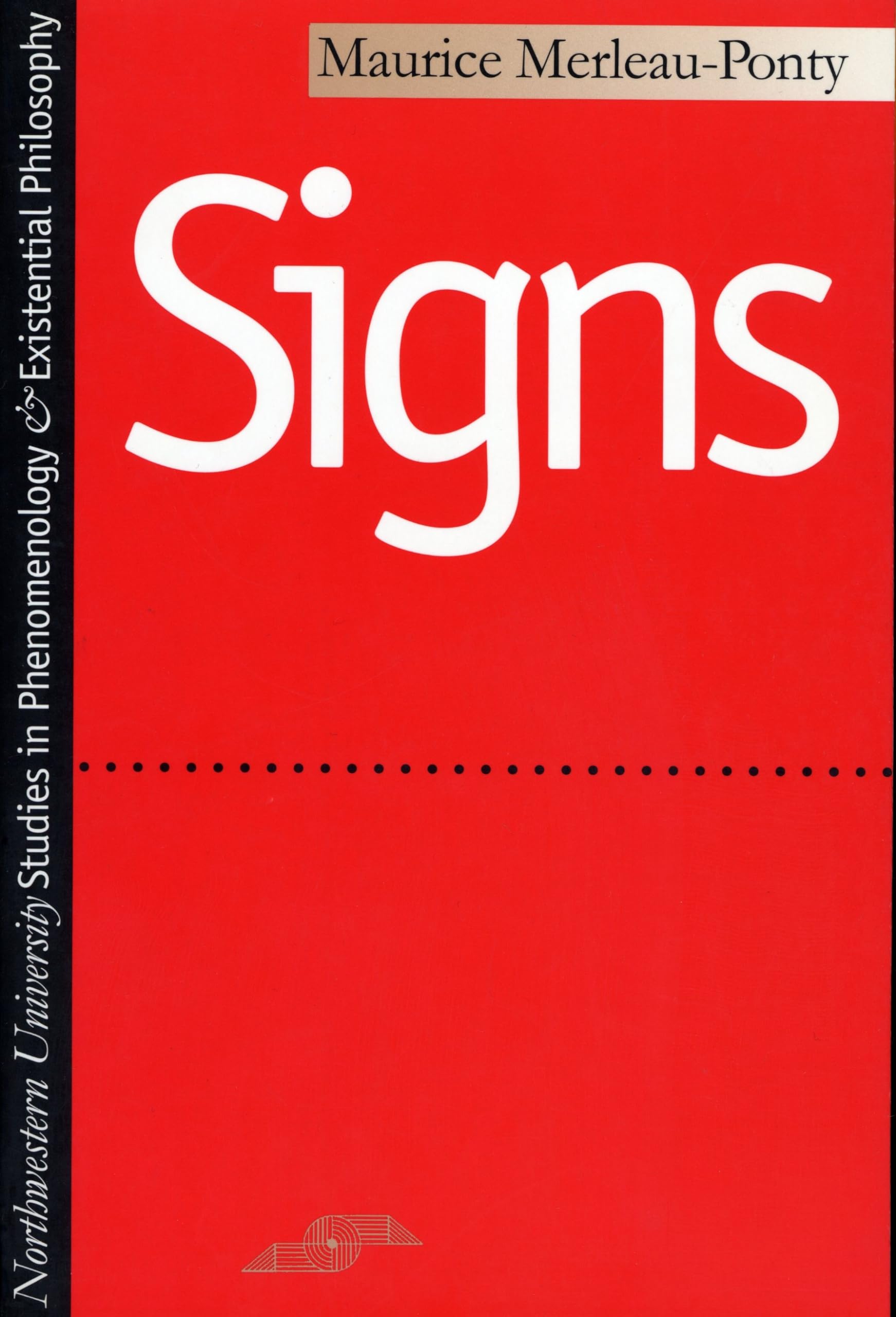
Signs (Studies in Phenomenology and Existential Philosophy),New
Sold by Ergodebooks, an authorized reseller.
Returns accepted within 30 days | support@ergodebooks.com
Shipping Information
- Free Standard Shipping — United States only
- Processing Time: 3–5 business days
- Estimated Delivery: 6–10 business days after dispatch
- Double-boxed, fully insured & discreetly packaged
- Tracking number sent via email once dispatched
Returns & Refund
Returns accepted within 30 days of delivery.
Damaged or Defective Item
Free return shipping + replacement or full refund
Wrong Item Received
Free return shipping + replacement or full refund
Change of Mind
Return shipping at customer's expense · 25% restocking fee applies
Payment Option

Speech is a way of tearing out a meaning from an undivided whole.'Thus does Maurice MerleauPonty describe speech in this collection of his important writings on the philosophy of expression, composed during the last decade of his life. For him, expression is a category of human behavior and existence much broader than language alone. He maintains that man is essentially expressive, even prior to speaking: in his silence, gestures, and lived behavior.
⚠️ WARNING (California Proposition 65):
This product may contain chemicals known to the State of California to cause cancer, birth defects, or other reproductive harm.
For more information, please visit www.P65Warnings.ca.gov.
- Q: What is the page count of this book? A: This book has three hundred fifty-five pages. It offers a comprehensive exploration of Maurice Merleau-Ponty's philosophy of expression.
- Q: What is the binding type of this book? A: This book is available in paperback binding. Paperback books are known for being lightweight and flexible.
- Q: What are the dimensions of the book? A: The book measures six inches in length, one point eighteen inches in width, and nine point zero two inches in height. These dimensions make it easy to handle and store.
- Q: Who is the author of this book? A: The author of this book is Maurice Merleau-Ponty. He is a significant figure in the philosophy of expression and existentialism.
- Q: What is the genre of this book? A: This book falls under the category of linguistics. It examines the intersection of language and human expression.
- Q: Is this book suitable for beginners in philosophy? A: Yes, this book is suitable for beginners. It presents complex ideas in a way that is accessible to those new to philosophy.
- Q: How do I read this book effectively? A: To read this book effectively, take your time to digest each section. Consider taking notes on key concepts to enhance understanding.
- Q: What age group is this book appropriate for? A: This book is appropriate for adults and older teens interested in philosophy. Its themes are more advanced and suited for mature readers.
- Q: How should I care for this book? A: To care for this book, keep it in a dry place and avoid exposing it to direct sunlight. This will help preserve its condition over time.
- Q: Can I clean the book if it gets dirty? A: Yes, you can clean the book if it gets dirty. Use a soft, dry cloth to gently wipe the cover and avoid using liquids.
- Q: What if the book arrives damaged? A: If the book arrives damaged, you should contact the seller for a return or exchange. Most sellers provide clear return policies for damaged items.
- Q: Is there a warranty for this book? A: No, typically, books do not come with a warranty. However, check with the seller for their specific return and exchange policies.
- Q: How do I store this book? A: Store this book upright on a shelf to prevent warping. Ensure it is in a stable environment away from moisture.
- Q: Is the book safe for all readers? A: Yes, the book is safe for readers interested in philosophy. There are no adult themes that would make it unsuitable for the target audience.
- Q: How does this book compare to others in its genre? A: This book stands out in its genre for its unique exploration of expression through the lens of phenomenology, setting it apart from typical linguistics texts.
- Q: What are the key themes discussed in the book? A: Key themes in the book include the philosophy of expression, human behavior, and the role of language in understanding existence. These concepts are explored in depth by the author.