
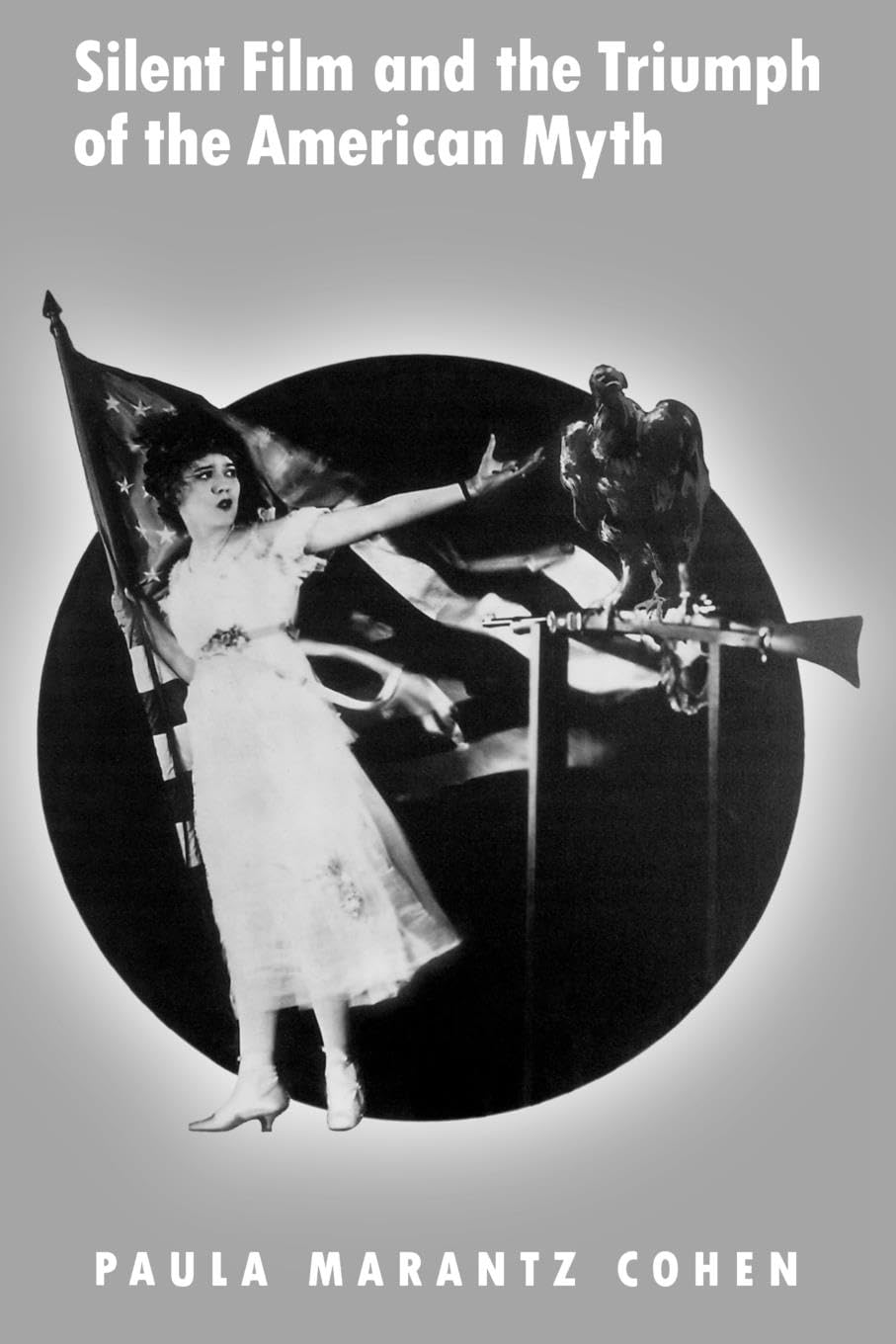
Title
Silent Film And The Triumph Of The American Myth,Used
Sold by Ergodebooks, an authorized reseller.
Returns accepted within 30 days | support@ergodebooks.com
Shipping Information
- Free Standard Shipping — United States only
- Processing Time: 3–5 business days
- Estimated Delivery: 6–10 business days after dispatch
- Double-boxed, fully insured & discreetly packaged
- Tracking number sent via email once dispatched
Returns & Refund
Returns accepted within 30 days of delivery.
Damaged or Defective Item
Free return shipping + replacement or full refund
Wrong Item Received
Free return shipping + replacement or full refund
Change of Mind
Return shipping at customer's expense · 25% restocking fee applies
Payment Option

Silent Film And The Triumph Of The American Myth Connects The Rise Of Film And The Rise Of America As A Cultural Center And Twentiethcentury World Power. Silent Film, Paula Cohen Reveals, Allowed America To Sever Its Literary And Linguistic Ties To Europe And Answer The Call By Nineteenthcentury Writers Like Emerson, Thoreau And Whitman For An Original Form Of Expression Compatible With American Strengths And Weaknesses. When Film Finally Began To Talk In 1927, The Medium Had Already Done Its Work. It Had Helped Translate Representation Into A Dynamic Visual Form And Had 'Americanized' The World.Cohen Explores The Way Film Emerged As An American Medium Through Its Synthesis Of Three Basic Elements: The Body, The Landscape, And The Face. Nineteenthcentury American Culture Had Already Charged These Elements With Meaningthe Body Through Vaudeville And Burlesque, Landscape Through Landscape Painting And Moving Panoramas, And The Face Through Portrait Photography. Integrating These Popular Forms, Silent Film Also Developed Genres That Showcased Each Of Its Basic Elements: The Body In Comedy, The Landscape In The Western, And The Face In Melodrama. At The Same Time, It Helped Produce A New Idea Of Character, Embodied In The American Movie Star.Cohen'S Book Offers A Fascinating New Perspective On American Cultural History. It Shows How Nineteenthcentury Literature Can Be Said To Anticipate Twentiethcentury Filmhow Douglas Fairbanks Was, In A Sense, Successor To Walt Whitman. And Rather Than Condemning The Culture Of Celebrity And Consumption That Early Hollywood Helped Inspire, The Book Highlights The Creative And Democratic Features Of The Silentfilm Ethos. Just As Notable, Cohen Champions The Concept Of The 'American Myth' In The Wake Of Recent Attempts To Discredit It. She Maintains That American Silent Film Helped Consolidate And Promote A Myth Of Possibility And Selfmaking That Continues To Dominate The Public Imagination And Stands Behind The Best Impulses Of Our Contemporary World.
⚠️ WARNING (California Proposition 65):
This product may contain chemicals known to the State of California to cause cancer, birth defects, or other reproductive harm.
For more information, please visit www.P65Warnings.ca.gov.