
Title
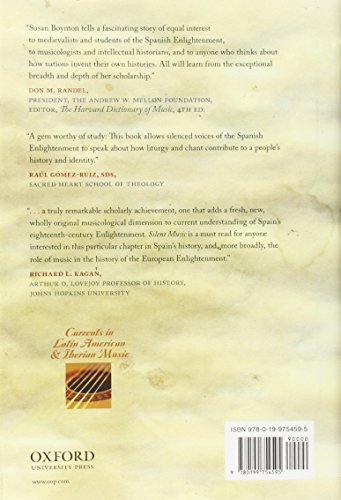
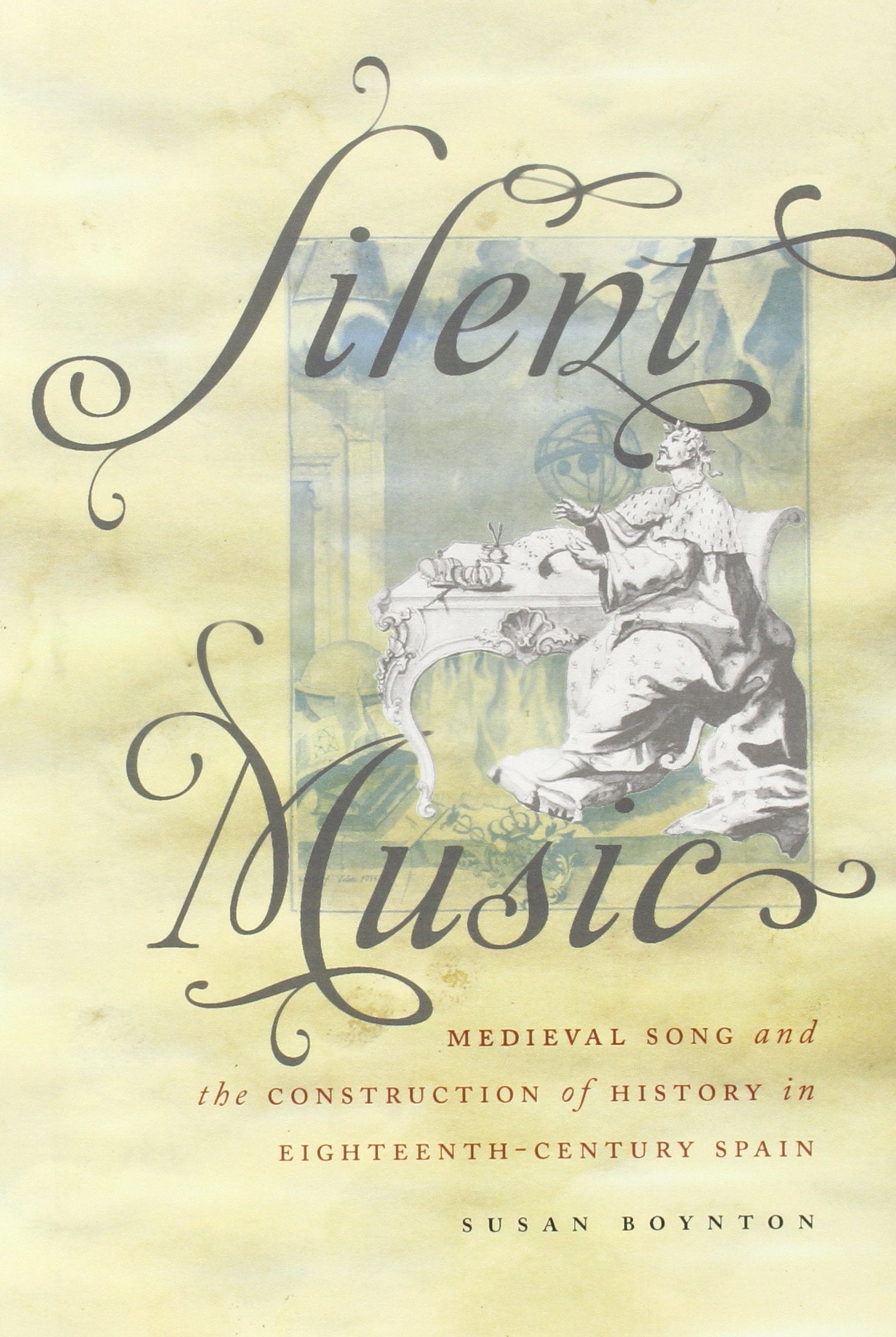
Silent Music: Medieval Song And The Construction Of History In Eighteenthcentury Spain (Currents In Latin American And Iberian ,Used
Sold by Ergodebooks, an authorized reseller.
Returns accepted within 30 days | support@ergodebooks.com
Shipping Information
- Free Standard Shipping — United States only
- Processing Time: 3–5 business days
- Estimated Delivery: 6–10 business days after dispatch
- Double-boxed, fully insured & discreetly packaged
- Tracking number sent via email once dispatched
Returns & Refund
Returns accepted within 30 days of delivery.
Damaged or Defective Item
Free return shipping + replacement or full refund
Wrong Item Received
Free return shipping + replacement or full refund
Change of Mind
Return shipping at customer's expense · 25% restocking fee applies
Payment Option

Silent Music Explores Theimportance Of Music And Liturgy In An Eighteenthcentury Vision Of Spanish Culture And National Identity. From 1750 To 1755, The Jesuit Andrs Marcos Burriel (17191762) And The Calligrapher Francisco Xavier Santiago Y Palomares (17281796) Worked Together In Toledo Cathedral For The Royal Commission On The Archives, Which The Government Created To Obtain Evidence For The Royal Patronage Of Church Benefices In Spain. With Burriel As Director, The Commission Transcribed Not Only Archival Documents, But Also Manuscripts Of Canon Law, History, Literature, And Liturgy, In Order To Write A New Ecclesiastical History Of Spain. At The Center Of This Ambitious Project Of Cultural Nationalism Stood The Medieval Manuscripts Of The Old Hispanic Rite, The Liturgy Associated With Toledo'S Mozarabs, Or Christians Who Had Continued To Practice Their Religion Under Muslim Rule. Burriel Was The First To Realize That The Medieval Manuscripts Differed Significantly From The Earlymodern Editions Of The Mozarabic Rite. Palomares, Building On His Work With Burriel, Wrote A History Of The Visigothic Script In Which He Noted The Indecipherability Of The Music Notation In Manuscripts Of The Old Hispanic Rite. Palomares Not Only Studied Manuscripts, But Also Copied Them, Producing Numerous Drawings And A Fullsize, Fullcolor Parchment Facsimile Of The Liturgical Manuscript Toledo, Biblioteca Capitular 35.7 (From The Late Eleventh Or Early Twelfth Century),Which Was Presented To King Ferdinand Vi Of Spain. Another Product Of This Antiquarian Concern With Song Is Palomares'S Copy (Dedicated To Brbara De Braganza) Of The Toledo Codex Of The Cantigas De Santa Maria.For Both Men, This Silent Music Was Invaluable As A Graphic Legacy Of Spain'S Past. While Many Historians In The Spanish Enlightenment Articulated The Idea Of The Modern Nation Through The Study Of The Middle Ages, Burriel And Palomares Are Exceptional For Their Treatment Of Musical Notation As An Object Of Historical Study And Their Conception Of Music As An Integral Part Of History.
⚠️ WARNING (California Proposition 65):
This product may contain chemicals known to the State of California to cause cancer, birth defects, or other reproductive harm.
For more information, please visit www.P65Warnings.ca.gov.