
Title
Sin In Medieval And Early Modern Culture: The Tradition Of The Seven Deadly Sins,Used
Sold by Ergodebooks, an authorized reseller.
Returns accepted within 30 days | support@ergodebooks.com
Shipping Information
- Free Standard Shipping — United States only
- Processing Time: 3–5 business days
- Estimated Delivery: 6–10 business days after dispatch
- Double-boxed, fully insured & discreetly packaged
- Tracking number sent via email once dispatched
Returns & Refund
Returns accepted within 30 days of delivery.
Damaged or Defective Item
Free return shipping + replacement or full refund
Wrong Item Received
Free return shipping + replacement or full refund
Change of Mind
Return shipping at customer's expense · 25% restocking fee applies
Payment Option

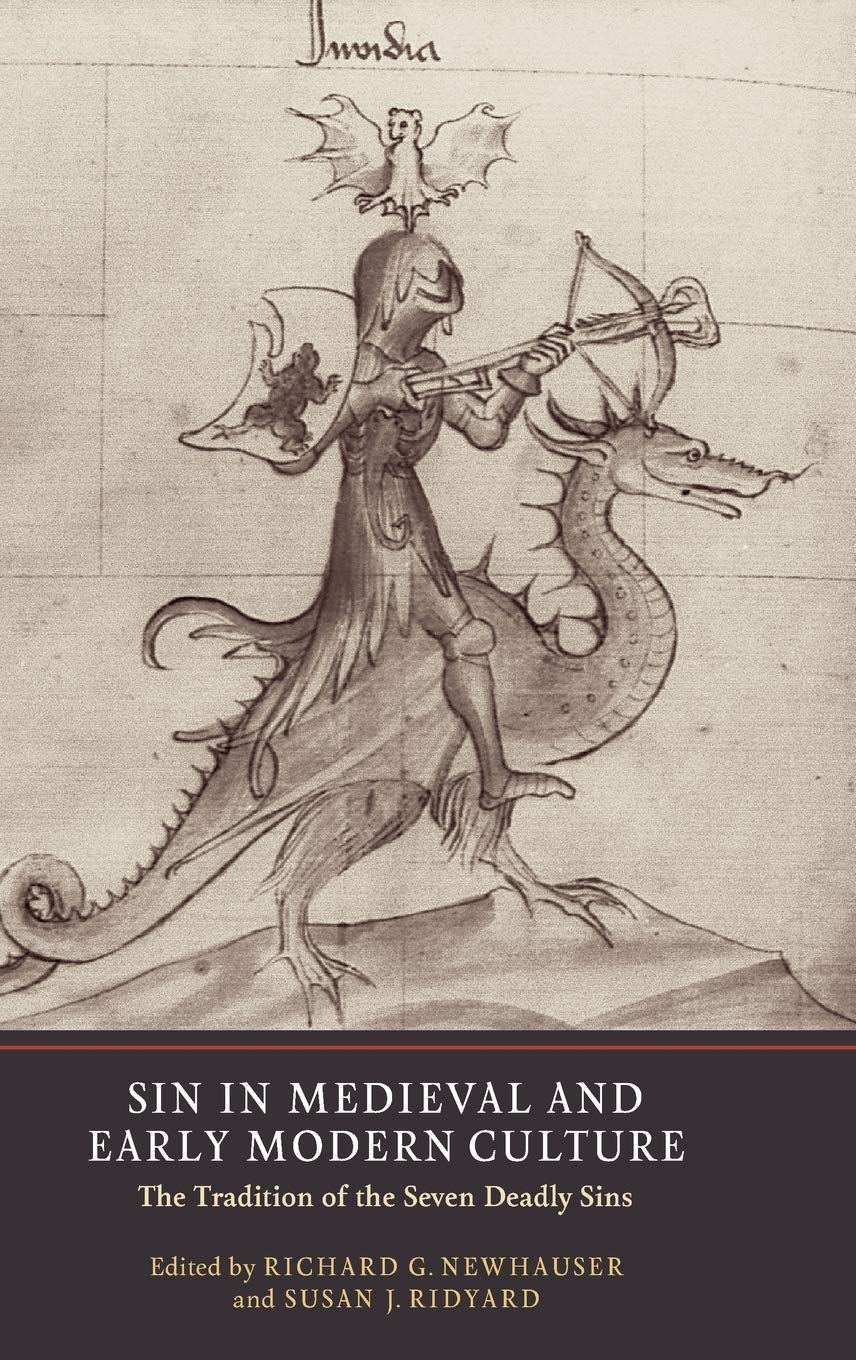
A fresh consideration of the enduring tradition of the Seven Deadly Sins, showing its continuing postmedieval influence.The tradition of the seven deadly sins played a considerable role in western culture, even after the supposed turningpoint of the Protestant Reformation, as the essays collected here demonstrate. The first part of the book addresses such topics as the problem of acedia in Carolingian monasticism; the development of medieval thought on arrogance; the blending of tradition and innovation in Aquinas's conceptualization of the sins; the treatment of sin in the pastoral contexts of the early Middle English Vices and Virtues and a fifteenthcentury sermon from England; the political uses of the deadly sins in the court sermons of Jean Gerson; and the continuing usefulnessof the tradition in early modern England. In the second part, the role of the tradition in literature and the arts is considered. Essays look at representations of the sins in French music of the thirteenth to the fifteenth centuries; in Dante's Purgatorio; in a work by Michel Beheim in preReformation Germany; and in a 1533 play by the German Lutheran writer Hans Sachs. New interpretations are offered of Gower's 'Tale of Constance' and Bosch's Tabletop of the Seven Deadly Sins. As a whole, the book significantly enhances our understanding of the multiple uses and meanings of the sins tradition, not only in medieval culture but also in the transition from the medievalto the early modern period.RICHARD G. NEWHAUSER is Professor of English and Medieval Studies, Arizona State University, Tempe; SUSAN J. RIDYARD is Professor of History and Director of the Sewanee Medieval Colloquium,The University of the South, Sewanee.Contributors: Richard G. Newhauser, James B. Williams, Kiril Petkov, Cate Gunn, Eileen C. Sweeney, Holly Johnson, Nancy McLoughlin, Anne Walters Robertson, Peter S. Hawkins, CarolJamison, Henry Luttikhuizen, William C. McDonald, Kathleen Crowther.
⚠️ WARNING (California Proposition 65):
This product may contain chemicals known to the State of California to cause cancer, birth defects, or other reproductive harm.
For more information, please visit www.P65Warnings.ca.gov.