
Title
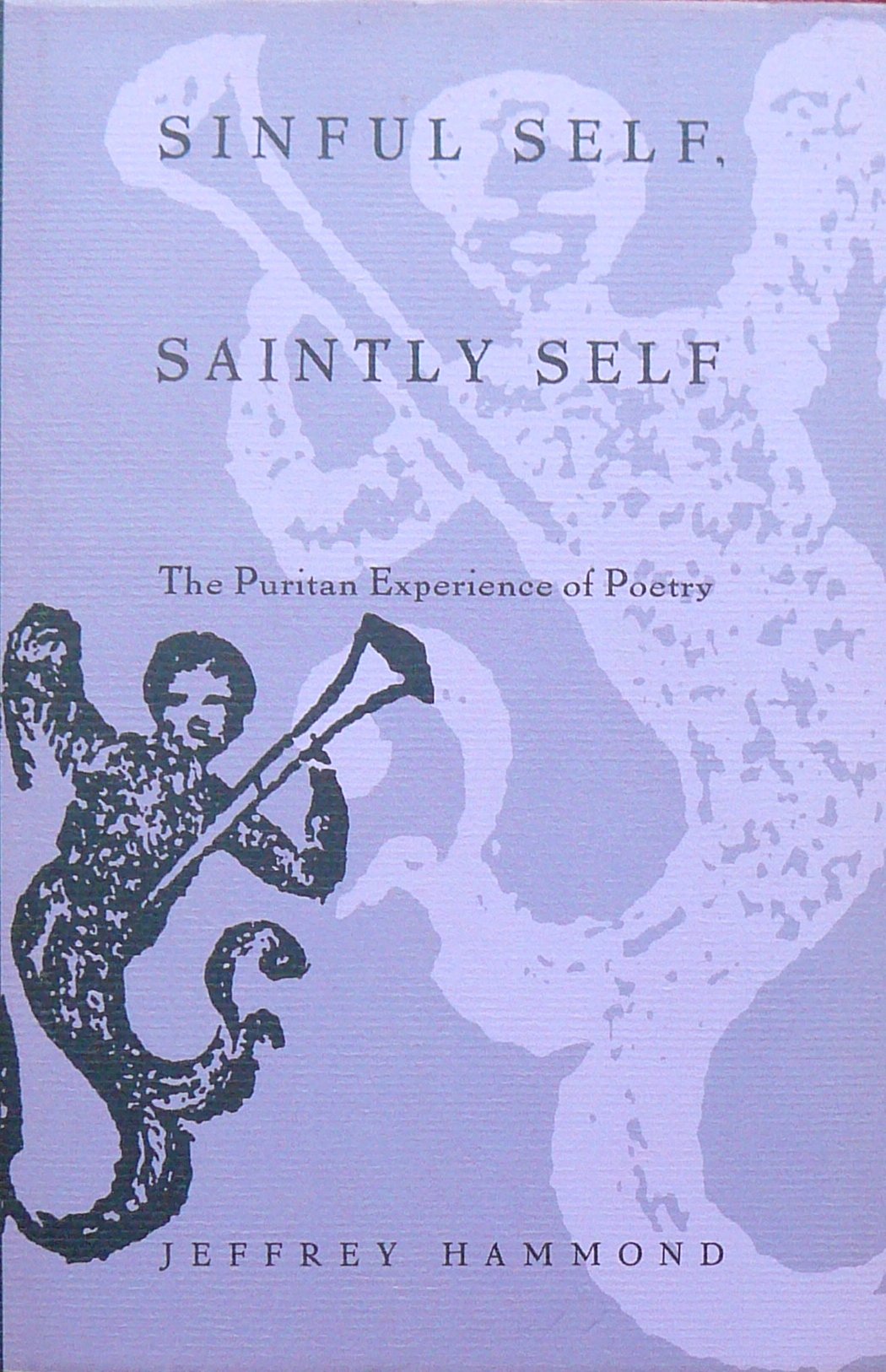
Sinful Self, Saintly Self: The Puritan Experience of Poetry,Used
Processing time: 1-3 days
US Orders Ships in: 3-5 days
International Orders Ships in: 8-12 days
Return Policy: 15-days return on defective items
Payment Option

Sinful Self, Saintly Self is a comprehensive study of early New England verse in light of Puritan notions regarding the nature and uses of poetry. Through a new historical reading of three major Puritan poets Michael Wigglesworth, Anne Bradstreet, and Edward Taylor Jeffrey Hammond reconstructs this aesthetic framework using Puritan theology, artistic and exegetical traditions deriving from the Bible, and Puritan assumptions about the psychology of the saved soul.Despite the current resurgence of interest in early American literature, Puritan poetry remains only dimly understood and appreciated. With the exception of Edward Taylor's Preparatory Meditations and Anne Bradstreet's personal lyrics, it is often viewed as a poetry of gloom and doctrine rather than of affirmation and inspiration. In reconstructing the Puritan experience of poetry, Hammond argues that this widespread view reflects a persistent tendency to approach these poems from a modern perspective.The contemporary critical bias against didactic and conventional writing has made Bradstreet and Taylor seem to be the only Puritan poets worth reading. The most popular poet of the era, Michael Wigglesworth, author of the infamous Day of Doom, remains virtually ignored because of this bias. Moreover, Bradstreet and Taylor are often interpreted and assessed in terms of the poetic preferences of the modern reader.Hammond contends that by understanding how Puritans felt when they wrote and read verse, modern readers can appreciate these writings on their own terms. 'There was a Puritan way of reading,' he maintains, 'and it was not like ours. . . . Puritans were not merely content with their poetry but seem to have delighted in its didacticism and conventionality the very qualities that distance the texts from us.'Sinful Self, Saintly Self provides an important corrective to anachronistic interpretations and allows contemporary readers to confront the 'otherness' of Puritan poetry. By historicizing the experience of seventeenthcentury New England verse, Hammond argues for the interpretation of older writings in their cultural and psychological contexts.
⚠️ WARNING (California Proposition 65):
This product may contain chemicals known to the State of California to cause cancer, birth defects, or other reproductive harm.
For more information, please visit www.P65Warnings.ca.gov.
- Q: What is the page count of this book? A: This book has three hundred twenty pages. It offers a comprehensive study of early New England poetry and Puritan themes.
- Q: What type of binding does this book have? A: The book is a hardcover edition. This binding type provides durability and a classic look for collectors and readers alike.
- Q: Who is the author of 'Sinful Self, Saintly Self'? A: The author is Jeffrey A. Hammond. He explores the Puritan experience of poetry through historical analysis.
- Q: Is this book suitable for casual readers? A: Yes, this book is suitable for casual readers interested in poetry and history. It provides insights into Puritan poetry that appeal to both scholars and general readers.
- Q: What themes are explored in this book? A: The book explores themes of Puritanism, poetry, and the cultural context of early New England. It specifically addresses the works of Michael Wigglesworth, Anne Bradstreet, and Edward Taylor.
- Q: Who are the main poets discussed in this book? A: The main poets discussed are Michael Wigglesworth, Anne Bradstreet, and Edward Taylor. Each poet's work is analyzed in relation to Puritan theology and aesthetics.
- Q: How should I care for this book? A: To keep this book in good condition, store it upright in a cool, dry place. Avoid exposure to direct sunlight to prevent fading of the cover.
- Q: Is this book safe for young readers? A: Yes, this book is generally safe for young readers. However, it is recommended for those with an interest in literary analysis and historical context.
- Q: Can I find this book in a digital format? A: No, this specific edition is only available in hardcover. Check with the publisher for any potential digital versions.
- Q: What should I do if the book arrives damaged? A: If the book arrives damaged, contact the retailer or publisher for a return or exchange. Ensure to have your order details ready for reference.
- Q: How does this book compare to other works on Puritan poetry? A: This book offers a unique historical perspective that sets it apart from others. It emphasizes the aesthetic appreciation of Puritan poetry, which is often overlooked.
- Q: Is there a glossary or index in this book? A: No, this book does not include a glossary or index. Readers may need to refer to specific sections for detailed content.
- Q: What makes this book a valuable resource? A: The book provides a comprehensive analysis of Puritan poetry and its cultural significance, making it a valuable resource for understanding literature from that era.
- Q: Is this book considered a scholarly work? A: Yes, this book is considered a scholarly work. It presents a detailed analysis backed by historical context and theological insights.
- Q: Are there illustrations in this book? A: No, this book does not contain illustrations. It focuses on text analysis and historical commentary.