
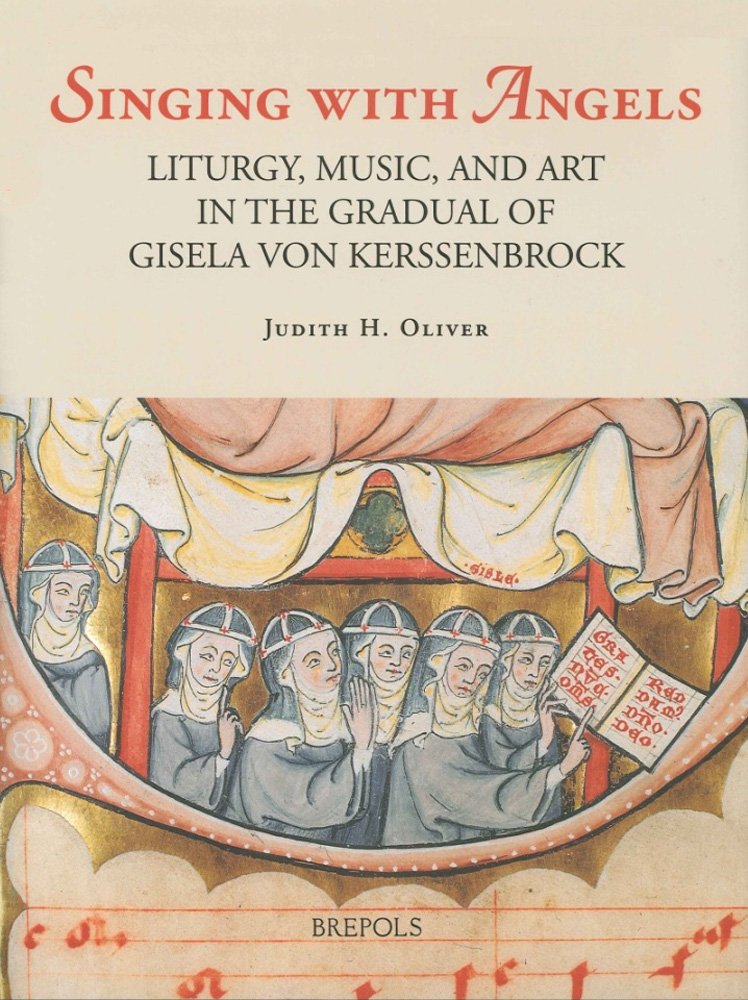
Title
Singing with Angels: Liturgy, Music, and Art in the Gradual of Gisela von Kerssenbrock,Used
Sold by Ergodebooks, an authorized reseller.
Returns accepted within 30 days | support@ergodebooks.com
Shipping Information
- Free Standard Shipping — United States only
- Processing Time: 3–5 business days
- Estimated Delivery: 6–10 business days after dispatch
- Double-boxed, fully insured & discreetly packaged
- Tracking number sent via email once dispatched
Returns & Refund
Returns accepted within 30 days of delivery.
Damaged or Defective Item
Free return shipping + replacement or full refund
Wrong Item Received
Free return shipping + replacement or full refund
Change of Mind
Return shipping at customer's expense · 25% restocking fee applies
Payment Option

A prized possession of the Cistercian convent of Marienbrunn in Rulle near Osnabrck in northern Germany was its richly illuminated gradual dating to c. 1300, which is of great significance in the history of medieval art for several reasons. With 52 historiated initials iconographically complex in their literary quotations from the liturgy, the manuscript ranks as one of the most lavishly decorated books of its type to survive. Painted in an elegant courtly Gothic style, it is ascribed in a prefatory inscription to the nun Gisela von Kersenbroeck, who wrote, notated, and decorated the manuscript 'with golden letters and beautiful images.' Such an encyclopedic listing of a scribeartist's labors is unparalleled in medieval scribal colophons. The high quality of the miniatures ranks her among the most gifted women artists of the Middle Ages. Gisela is depicted in two selfportraits within the manuscript, in one of which she is leading the nuns of Rulle in singing the Christmas hymn, visual evidence that she was the choirmistress at this convent. The manuscript's images reflect the intellectual ambience of encloistered nuns who were steeped in the annual liturgical cycle of feasts with its associated bible readings, theological commentary, sermons, music, dramatic ritual, and artistic decoration. As it was used in the nuns' daily celebration of the mass, the book is an eloquent witness of the communal religious life of medieval women rather than their private meditations or mystical experiences.This study explores the imagery and texts associated with major feasts of the liturgical year and the novel ways in which music and text are woven into the artistic program of Gisela's manuscript. In particular, her book shows the seminal importance of the Easter celebration for convent life, as well over half of its illustrations are clustered in the Easter season; and the manuscript repeatedly gives artistic expression to the nuns' hopes of heaven.
⚠️ WARNING (California Proposition 65):
This product may contain chemicals known to the State of California to cause cancer, birth defects, or other reproductive harm.
For more information, please visit www.P65Warnings.ca.gov.