
Title
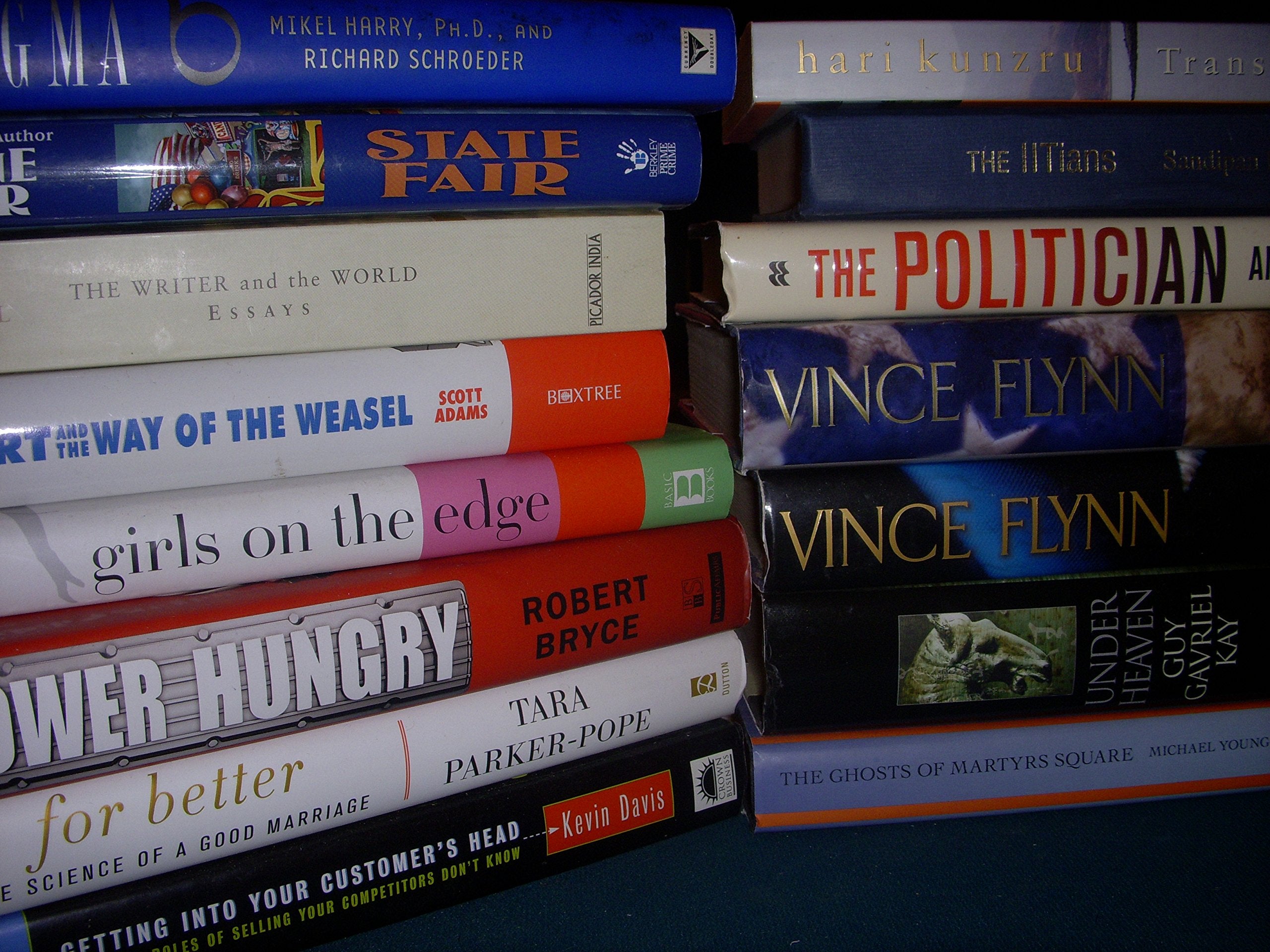
Six Sigma: The Breakthrough Management Strategy Revolutionizing the World's Top Corporations,New
Sold by Ergodebooks, an authorized reseller.
Returns accepted within 30 days | support@ergodebooks.com
Shipping Information
- Free Standard Shipping — United States only
- Processing Time: 3–5 business days
- Estimated Delivery: 6–10 business days after dispatch
- Double-boxed, fully insured & discreetly packaged
- Tracking number sent via email once dispatched
Returns & Refund
Returns accepted within 30 days of delivery.
Damaged or Defective Item
Free return shipping + replacement or full refund
Wrong Item Received
Free return shipping + replacement or full refund
Change of Mind
Return shipping at customer's expense · 25% restocking fee applies
Payment Option

The extraordinary breakthrough management programheralded by GE, Motorola, and AlliedSignalthat is sweeping corporate America with its unprecedented ability to achieve superior financial results.Six Sigma is the most powerful breakthrough management tool ever devised, promising increased market share, cost reductions, and dramatic improvements in bottomline profitability for companies of any size. The darling of Wall Street, it has become the mantra of Fortune 500 boardrooms around the world because it works.What is Six Sigma? It is first and foremost a business process that enables companies to increase profits dramatically by streamlining operations, improving quality, and eliminating defects or mistakes in everything a company does, from filling out purchase orders to manufacturing airplane engines. While traditional quality programs have focused on detecting and correcting defects, Six Sigma encompasses something broader: It provides specific methods to recreate the process itself so that defects are never produced in the first place.Most companies operate at a three to foursigma level, where the cost of defects is roughly 20 to 30 percent of revenues. By approaching Six Sigmafewer than one defect per 3.4 million opportunitiesthe cost of quality drops to less than 1 percent of sales.This is because the highest quality also results in the lowest costs. When GE reduced its costs from 20 percent to less than 10 percent, it saved a billion dollars in just two yearsmoney that goes directly to the bottom line. This is the reason Wall Street and corporations as diverse as Sony, Ford, Nokia, Texas Instruments, Canon, Hitachi, Lockheed Martin, American Express, Toshiba, DuPont, and Polaroid have embarked on corporatewide Six Sigma programs.Six Sigma should be of paramount importance to every forwardthinking executive and manager determined to make their company worldclass in their industry.
⚠️ WARNING (California Proposition 65):
This product may contain chemicals known to the State of California to cause cancer, birth defects, or other reproductive harm.
For more information, please visit www.P65Warnings.ca.gov.
- Q: How many pages does the book have? A: This book contains three hundred twenty pages. It provides in-depth insights into the Six Sigma management strategy.
- Q: What is the binding type of this book? A: The binding type is hardcover. This ensures durability and a premium feel for readers.
- Q: What are the dimensions of the book? A: The book measures six point five inches in length, one point zero six inches in width, and nine point five seven inches in height.
- Q: Who is the author of this book? A: The author of this book is Mikel Harry. He is known for his expertise in Six Sigma methodologies.
- Q: What genre does this book fall under? A: This book falls under the management genre. It focuses on business strategies and process improvement.
- Q: How can I implement the strategies in this book? A: To implement the strategies, read the book thoroughly and apply the outlined processes in your organization. It provides practical examples for better understanding.
- Q: Is this book suitable for beginners in management? A: Yes, this book is suitable for beginners. It breaks down complex concepts into understandable terms.
- Q: Can I use this book for a Six Sigma certification course? A: Yes, this book can be used as a resource for Six Sigma certification courses. It covers essential principles and practices.
- Q: How should I store this book to keep it in good condition? A: Store the book in a cool, dry place away from direct sunlight. This will help maintain its condition over time.
- Q: Is there a warranty for this book? A: Books typically do not come with a warranty. However, check the retailer's return policy for any issues.
- Q: What if the book arrives damaged? A: If the book arrives damaged, contact the retailer for a return or exchange. Most retailers have policies in place for such situations.
- Q: How do I clean this book if it gets dirty? A: To clean the book, use a soft, dry cloth to gently wipe the surface. Avoid using water or cleaning solutions.
- Q: Are there any safety concerns with this book? A: No, there are no safety concerns with this book. It is intended for general reading and educational purposes.
- Q: Is this book appropriate for children? A: This book is primarily targeted at adults and business professionals. It may not be suitable for children.
- Q: What makes this book stand out from other management books? A: This book stands out due to its practical approach to Six Sigma, backed by success stories from top corporations.