
Title
Skyscraper: The Politics And Power Of Building New York City In The Twentieth Century,New
Processing time: 1-3 days
US Orders Ships in: 3-5 days
International Orders Ships in: 8-12 days
Return Policy: 15-days return on defective items
Payment Option

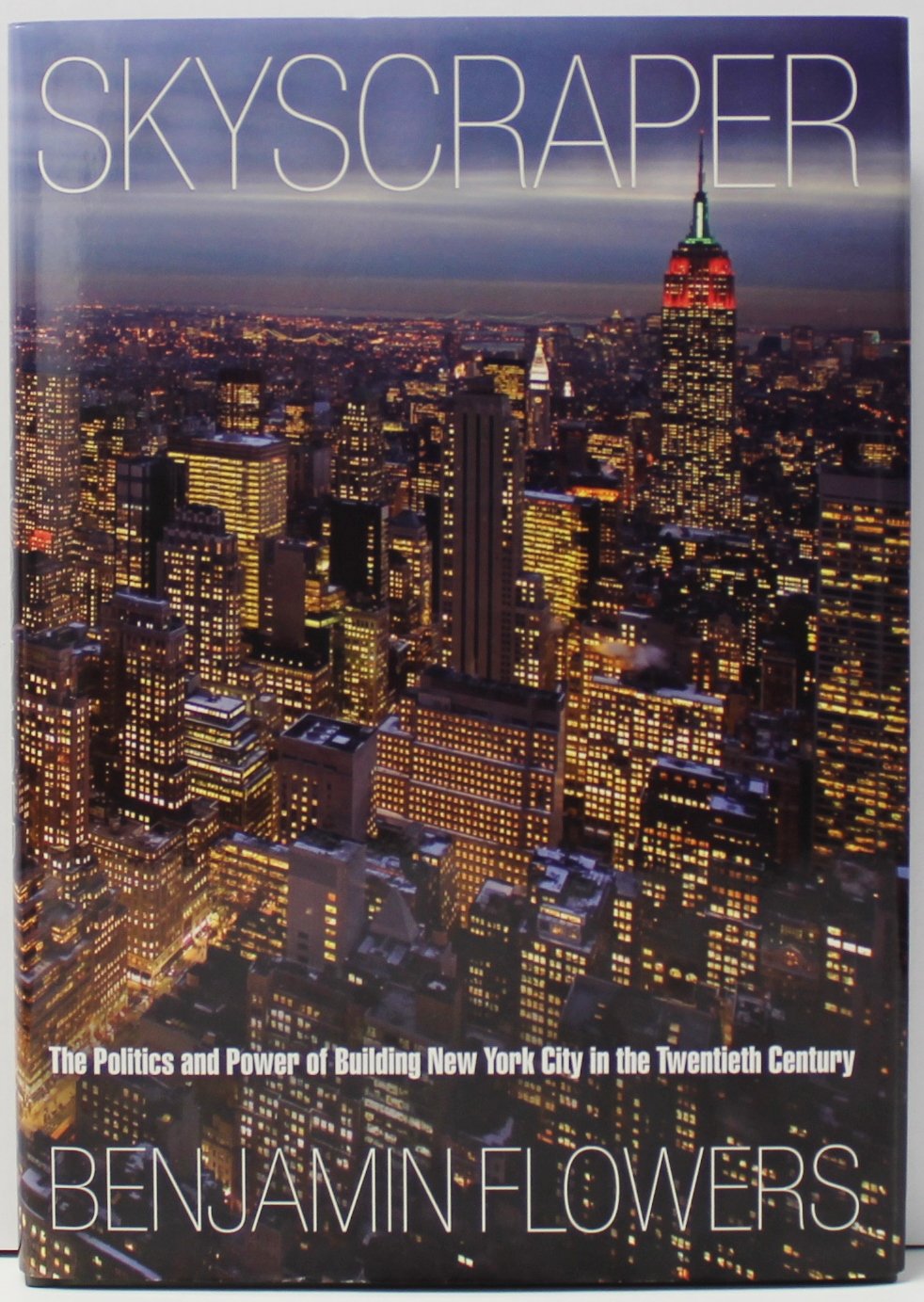
Selected By Choice Magazine As An Outstanding Academic Titlenowhere In The World Is There A Greater Concentration Of Significant Skyscrapers Than In New York City. And Though This Iconographic American Building Style Has Roots In Chicago, New York Is Where It Has Grown Into Such A Powerful Reflection Of American Commerce And Culture.In Skyscraper: The Politics And Power Of Building New York City In The Twentieth Century, Benjamin Flowers Explores The Role Of Culture And Ideology In Shaping The Construction Of Skyscrapers And The Way Wealth And Power Have Operated To Reshape The Urban Landscape. Flowers Narrates This Modern Tale By Closely Examining The Creation And Reception Of Three Significant Sites: The Empire State Building, The Seagram Building, And The World Trade Center. He Demonstrates How Architects And Their Clients Employed A Diverse Range Of Modernist Styles To Engage With And Influence Broader Cultural Themes In American Society: Immigration, The Cold War, And The Rise Of American Global Capitalism.Skyscraper Explores The Various Wider Meanings Associated With This Architectural Form As Well As Contemporary Reactions To It Across The Critical Spectrum. Employing A Broad Array Of Archival Sources, Such As Corporate Records, Architects' Papers, Newspaper Ads, And Political Cartoons, Flowers Examines The Personal, Political, Cultural, And Economic Agendas That Motivate Architects And Their Clients To Build Ever Higher. He Depicts The American Saga Of Commerce, Wealth, And Power In The Twentieth Century Through Their Most Visible Symbol, The Skyscraper.
⚠️ WARNING (California Proposition 65):
This product may contain chemicals known to the State of California to cause cancer, birth defects, or other reproductive harm.
For more information, please visit www.P65Warnings.ca.gov.
- Q: How many pages does the book have? A: The book contains two hundred forty pages. This length allows for an in-depth exploration of skyscrapers in New York City.
- Q: What is the binding type of this book? A: This book is a hardcover edition. Hardcover bindings are known for their durability and aesthetic appeal on bookshelves.
- Q: What are the dimensions of the book? A: The book measures seven point twenty-five inches in length, zero point seventy-five inches in width, and nine point seventy-six inches in height. These dimensions make it a comfortable fit for reading and storage.
- Q: Who is the author of this book? A: The author is Benjamin Flowers. He provides valuable insights into the politics and culture surrounding skyscrapers.
- Q: What is the main theme of the book? A: The main theme explores the politics and power associated with skyscrapers in New York City during the twentieth century. It discusses how architecture reflects American culture and commerce.
- Q: Is this book suitable for academic use? A: Yes, this book is considered an Outstanding Academic Title by Choice magazine. It is well-researched and suitable for academic study.
- Q: How do I best read this book? A: You can read this book in any quiet environment that allows for focus. It is best suited for readers interested in history, architecture, or urban studies.
- Q: Is this book appropriate for young readers? A: Yes, the book is suitable for young adult readers. However, it is advisable for them to have an interest in history and architecture.
- Q: Can this book be used for research purposes? A: Yes, this book can be an excellent resource for research. It includes various archival sources to support its discussions.
- Q: How should I care for this hardcover book? A: To care for the hardcover book, store it upright on a shelf and avoid exposure to direct sunlight. Keep it away from moisture to prevent damage.
- Q: Is there a warranty or return policy for this book? A: Return policies vary by seller, so it's best to check with the retailer where you purchase the book. Typically, new books can be returned within a specified period.
- Q: What should I do if the book arrives damaged? A: If the book arrives damaged, contact the seller immediately for a return or exchange. Most retailers have a straightforward process for handling such issues.
- Q: What type of audience does this book target? A: The book targets an audience interested in history, architecture, and urban development. It appeals to both casual readers and scholars.
- Q: Does this book include illustrations or photographs? A: Yes, the book includes illustrations that enhance the understanding of skyscrapers and their significance. These visuals support the text effectively.
- Q: Are there any notable skyscrapers discussed in the book? A: Yes, the book discusses significant skyscrapers like the Empire State Building, Seagram Building, and World Trade Center. These sites illustrate key themes in the narrative.
- Q: What makes this book different from other history books? A: This book uniquely combines architecture, culture, and politics, providing a comprehensive view of skyscrapers as symbols of American power and commerce.