If you have any questions, you are always welcome to contact us. We'll get back to you as soon as possible, withing 24 hours on weekdays.
Customer service
All questions about your order, return and delivery must be sent to our customer service team by e-mail at yourstore@yourdomain.com
Sale & Press
If you are interested in selling our products, need more information about our brand or wish to make a collaboration, please contact us at press@yourdomain.com
Help
If you have any questions, you are always welcome to contact us. We'll get back to you as soon as possible, withing 24 hours on weekdays.
Customer service
All questions about your order, return and delivery must be sent to our customer service team by e-mail at yourstore@yourdomain.com
Sale & Press
If you are interested in selling our products, need more information about our brand or wish to make a collaboration, please contact us at press@yourdomain.com
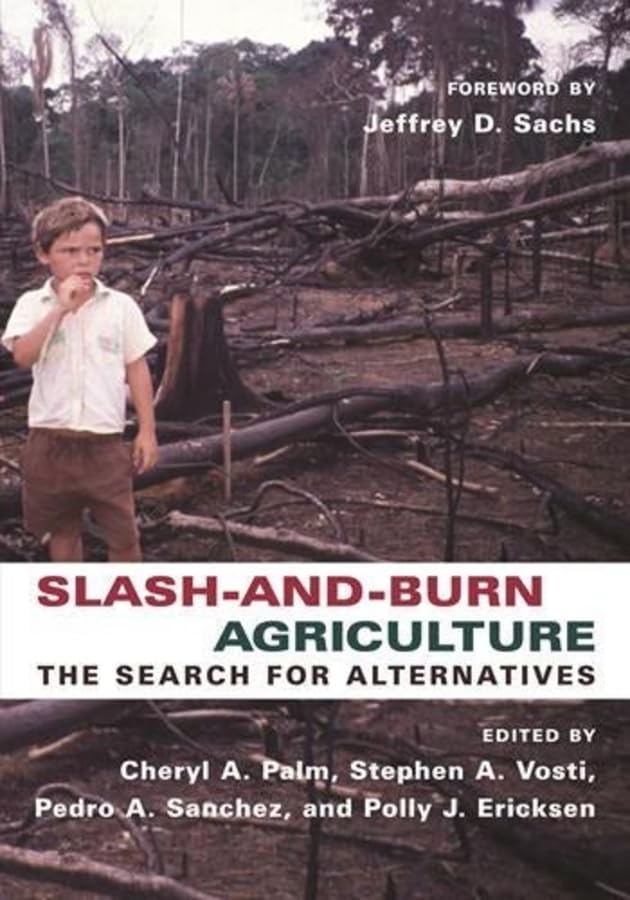
Every year about 130,000 km2 of humid tropical rain forest is destroyed. Caused in part by the slashandburn practices of both large and smallscale farmers in Brazil, Cameroon, Indonesia, and elsewhere, the environmental implications of tropical deforestation and its threat to biodiversity and carbon emissions remain a worldwide concern. Yet the smallscale farmers who use slashandburn agriculture depend on it to produce food and make a living for their families. Balancing the legitimate interests of rural households and global concerns about tropical deforestation is one of the major challenges of the coming decades. The Alternatives to Slash and Burn (ASB) consortium was formed in 1992 by a group of concerned national and international research institutions to address the global and local issues associated with this form of agriculture. With contributions from agronomists, foresters, economists, ecologists, and anthropologists, this book synthesizes the first decade of ASB's work. It assesses the environmental, economic, and social impact of deforestation and identifies the costs and benefits of alternative uses of forests and cleared land. Throughout the volume, the contributors present new conceptual tools and a rich compendium of empirical analyses needed to formulate viable alternatives to slashandburn agriculture.
⚠️ WARNING (California Proposition 65):
This product may contain chemicals known to the State of California to cause cancer,
birth defects, or other reproductive harm.
For MAP (Minimum Advertised Price) violations and Intellectual Property (IP) or Trademark concerns, please contact:
support@ergodebooks.com
⚠️ California Proposition 65 Warning: Some products sold on this website may expose you to chemicals known to the State of California to cause cancer, birth defects, or other reproductive harm. For more information, visit www.P65Warnings.ca.gov.