If you have any questions, you are always welcome to contact us. We'll get back to you as soon as possible, withing 24 hours on weekdays.
Customer service
All questions about your order, return and delivery must be sent to our customer service team by e-mail at yourstore@yourdomain.com
Sale & Press
If you are interested in selling our products, need more information about our brand or wish to make a collaboration, please contact us at press@yourdomain.com
Help
If you have any questions, you are always welcome to contact us. We'll get back to you as soon as possible, withing 24 hours on weekdays.
Customer service
All questions about your order, return and delivery must be sent to our customer service team by e-mail at yourstore@yourdomain.com
Sale & Press
If you are interested in selling our products, need more information about our brand or wish to make a collaboration, please contact us at press@yourdomain.com
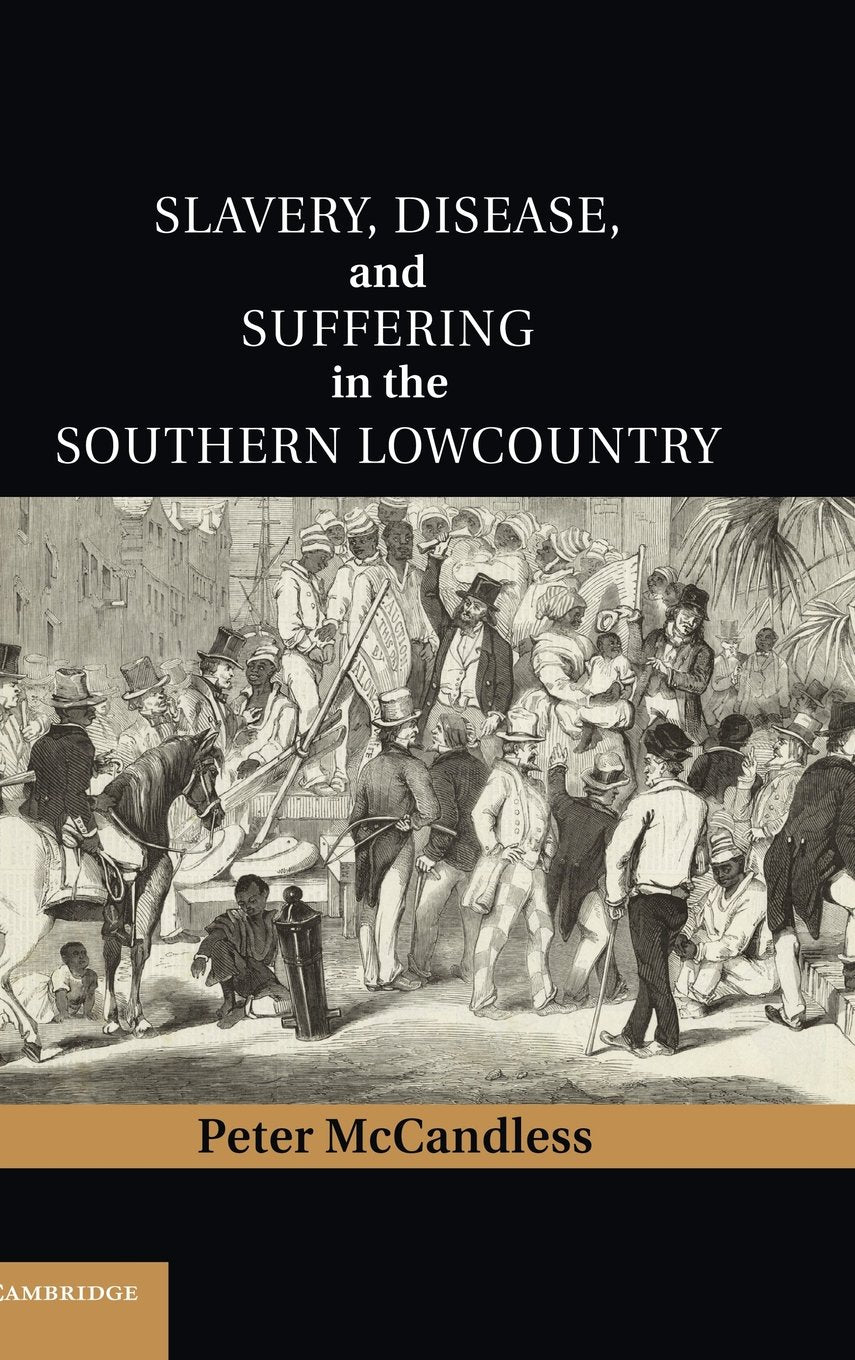
On the eve of the Revolution, the Carolina lowcountry was the wealthiest and unhealthiest region in British North America. Slavery, Disease, and Suffering in the Southern Lowcountry argues that the two were intimately connected: both resulted largely from the dominance of rice cultivation on plantations using imported African slave labor. This development began in the coastal lands near Charleston, South Carolina, around the end of the seventeenth century. Rice plantations spread north to the Cape Fear region of North Carolina and south to Georgia and northeast Florida in the late colonial period. The book examines perceptions and realities of the lowcountry disease environment; how the lowcountry became notorious for its tropical fevers, notably malaria and yellow fever; how people combated, avoided, or perversely denied the suffering they caused; and how diseases and human responses to them influenced not only the lowcountry and the South, but the United States, even helping to secure American independence.
⚠️ WARNING (California Proposition 65):
This product may contain chemicals known to the State of California to cause cancer,
birth defects, or other reproductive harm.
For MAP (Minimum Advertised Price) violations and Intellectual Property (IP) or Trademark concerns, please contact:
support@ergodebooks.com
⚠️ California Proposition 65 Warning: Some products sold on this website may expose you to chemicals known to the State of California to cause cancer, birth defects, or other reproductive harm. For more information, visit www.P65Warnings.ca.gov.