
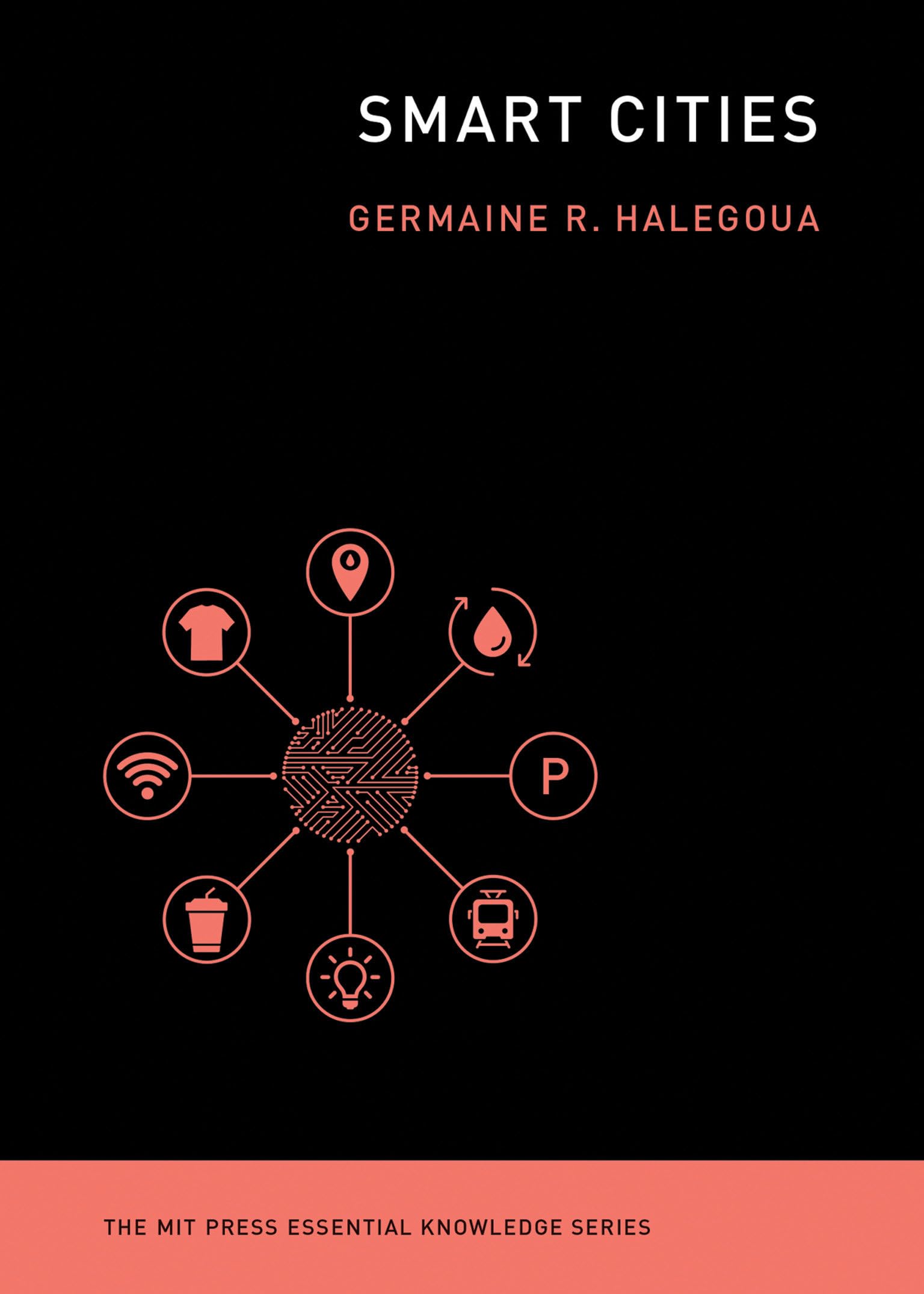
Title
Smart Cities (The MIT Press Essential Knowledge series),Used
Sold by Ergodebooks, an authorized reseller.
Returns accepted within 30 days | support@ergodebooks.com
Shipping Information
- Free Standard Shipping — United States only
- Processing Time: 3–5 business days
- Estimated Delivery: 6–10 business days after dispatch
- Double-boxed, fully insured & discreetly packaged
- Tracking number sent via email once dispatched
Returns & Refund
Returns accepted within 30 days of delivery.
Damaged or Defective Item
Free return shipping + replacement or full refund
Wrong Item Received
Free return shipping + replacement or full refund
Change of Mind
Return shipping at customer's expense · 25% restocking fee applies
Payment Option

Key concepts, definitions, examples, and historical contexts for understanding smart cities, along with discussions of both drawbacks and benefits of this approach to urban problems.Over the past ten years, urban planners, technology companies, and governments have promoted smart cities with a somewhat utopian vision of urban life made knowable and manageable through data collection and analysis. Emerging smart cities have become both crucibles and showrooms for the practical application of the Internet of Things, cloud computing, and the integration of big data into everyday life. Are smart cities optimized, sustainable, digitally networked solutions to urban problems? Or are they neoliberal, corporatecontrolled, undemocratic nonplaces? This volume in the MIT Press Essential Knowledge series offers a concise introduction to smart cities, presenting key concepts, definitions, examples, and historical contexts, along with discussions of both the drawbacks and the benefits of this approach to urban life.After reviewing current terminology and justifications employed by technology designers, journalists, and researchers, the book describes three models for smart city developmentsmartfromthestart cities, retrofitted cities, and social citiesand offers examples of each. It covers technologies and methods, including sensors, public wifi, big data, and smartphone apps, and discusses how developers conceive of interactions among the built environment, technological and urban infrastructures, citizens, and citizen engagement. Throughout, the authorwho has studied smart cities around the worldargues that smart city developers should work more closely with local communities, recognizing their preexisting relationship to urban place and realizing the limits of technological fixes. Smartness is a means to an end: improving the quality of urban life.
⚠️ WARNING (California Proposition 65):
This product may contain chemicals known to the State of California to cause cancer, birth defects, or other reproductive harm.
For more information, please visit www.P65Warnings.ca.gov.