If you have any questions, you are always welcome to contact us. We'll get back to you as soon as possible, withing 24 hours on weekdays.
Customer service
All questions about your order, return and delivery must be sent to our customer service team by e-mail at yourstore@yourdomain.com
Sale & Press
If you are interested in selling our products, need more information about our brand or wish to make a collaboration, please contact us at press@yourdomain.com
Help
If you have any questions, you are always welcome to contact us. We'll get back to you as soon as possible, withing 24 hours on weekdays.
Customer service
All questions about your order, return and delivery must be sent to our customer service team by e-mail at yourstore@yourdomain.com
Sale & Press
If you are interested in selling our products, need more information about our brand or wish to make a collaboration, please contact us at press@yourdomain.com
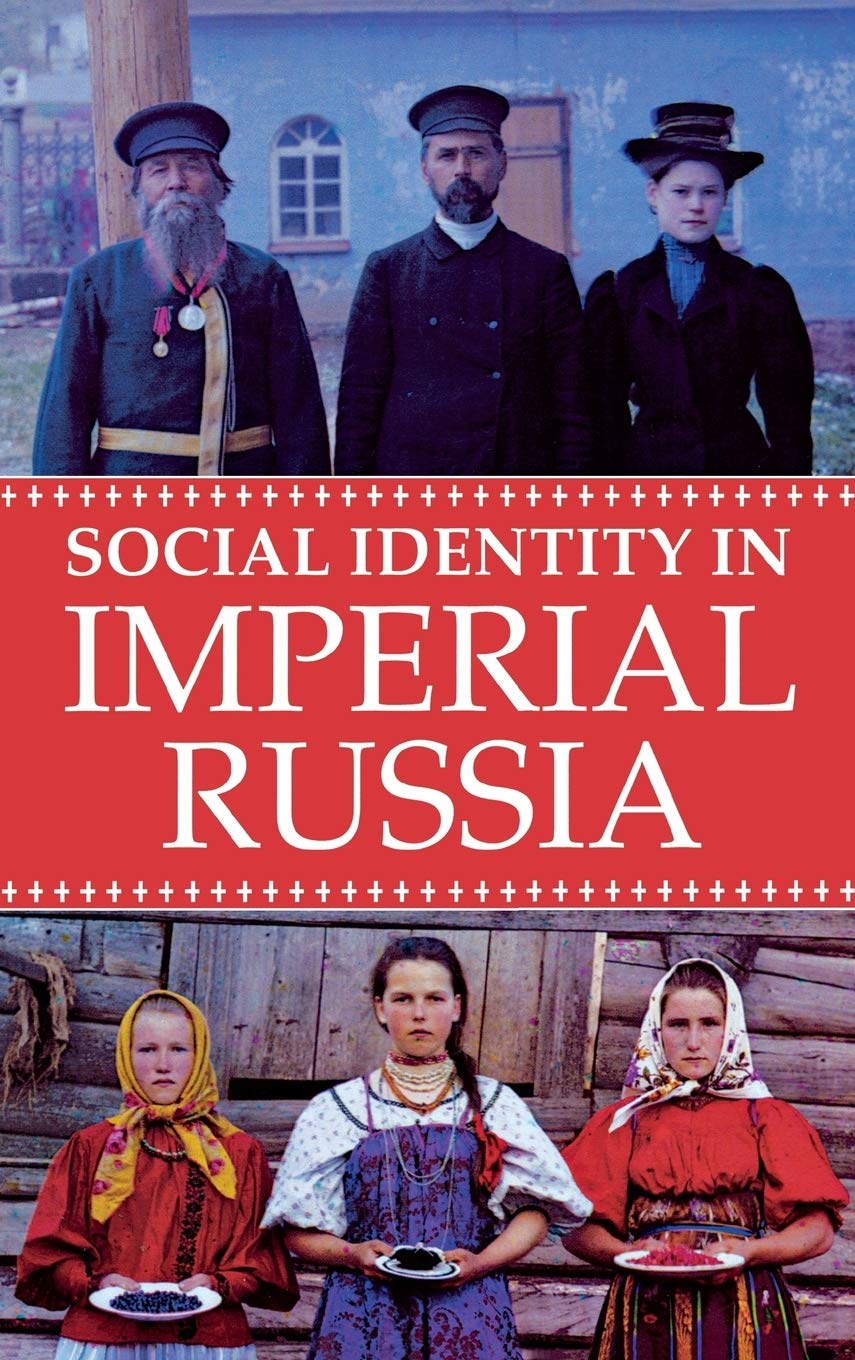
How did enlightened Russians of the eighteenth century understand society? And how did they reconcile their professed ideals of equality and justice with the authoritarian political structures in which they lived? Historian Elise Wirtschafter turns to literary plays to reconstruct the social thinking of the past and to discover how Enlightenment Russians understood themselves.Opening with an illuminating discussion of the development of theater in eighteenthcentury Russia, Wirtschafter goes on to explore dramatic representations of key social questions. Based on an examination of nearly 300 secular plays written during the last half of the century, she shows how dramas for the stage represented and debated important public issuessuch as the nature of the common good, the structure of the patriarchal household, the duty of monarchs, and the role of the individual in society.Wirtschafter presents a striking reconstruction of the way educated Russians conceptualized a society beyond the immediate spheres of household and locality. Seeking to highlight problems of 'social consciousness,' she asks what Enlightenment Russians thought about social experienceand how their ideas related to actual social relationships in a society organized around serfdom and absolute monarchy. She portrays Russian Enlightenment culture on its own terms, while at the same time shedding light on broader problems of social order and political authority in imperial Russia.
⚠️ WARNING (California Proposition 65):
This product may contain chemicals known to the State of California to cause cancer,
birth defects, or other reproductive harm.
For MAP (Minimum Advertised Price) violations and Intellectual Property (IP) or Trademark concerns, please contact:
support@ergodebooks.com
⚠️ California Proposition 65 Warning: Some products sold on this website may expose you to chemicals known to the State of California to cause cancer, birth defects, or other reproductive harm. For more information, visit www.P65Warnings.ca.gov.