
Title
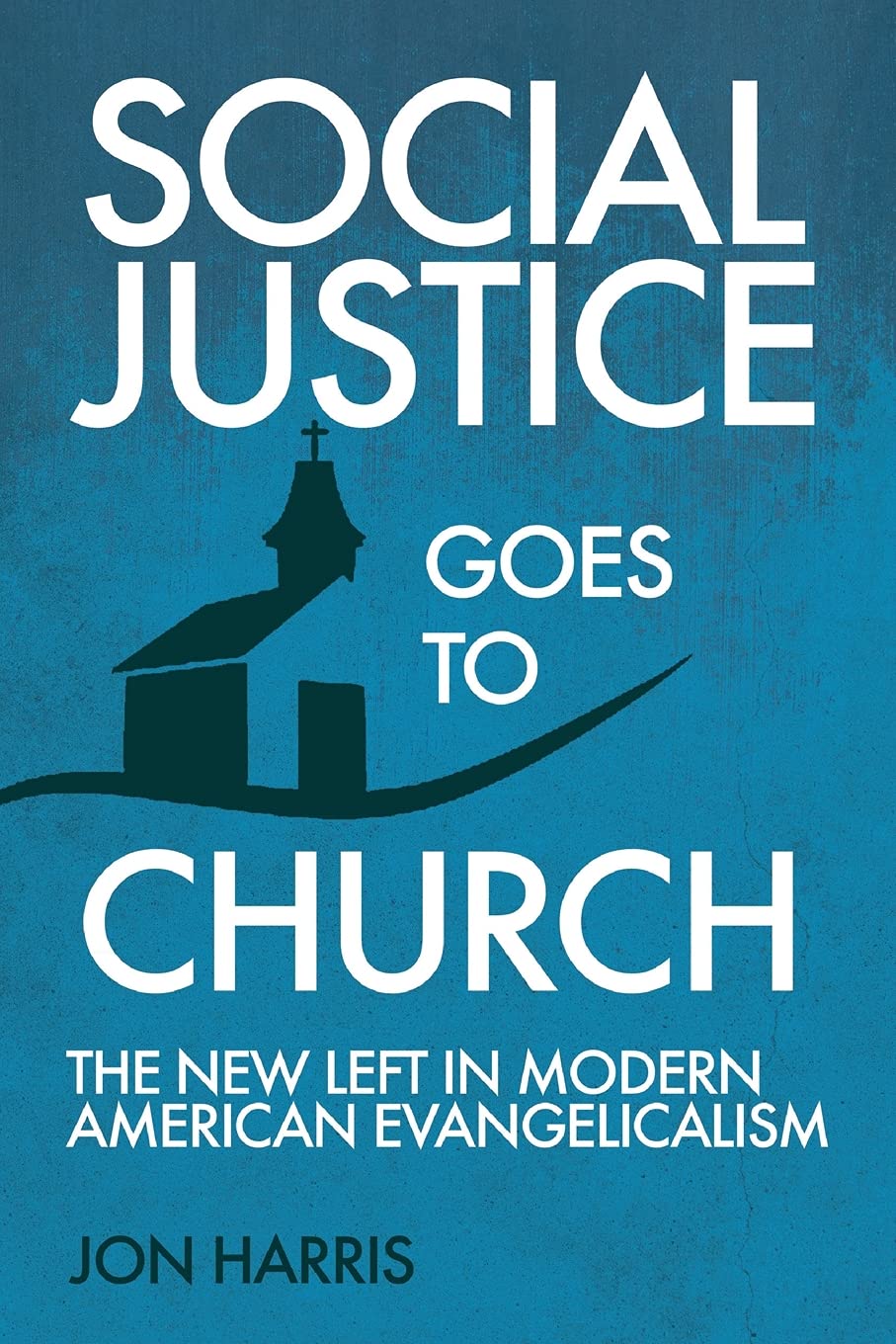
Social Justice Goes To Church: The New Left In Modern American Evangelicalism
Sold by Ergodebooks, an authorized reseller.
Returns accepted within 30 days | support@ergodebooks.com
Shipping Information
- Free Standard Shipping — United States only
- Processing Time: 3–5 business days
- Estimated Delivery: 6–10 business days after dispatch
- Double-boxed, fully insured & discreetly packaged
- Tracking number sent via email once dispatched
Returns & Refund
Returns accepted within 30 days of delivery.
Damaged or Defective Item
Free return shipping + replacement or full refund
Wrong Item Received
Free return shipping + replacement or full refund
Change of Mind
Return shipping at customer's expense · 25% restocking fee applies
Payment Option

The Infusion Of Social Justice Into The Gospel May Well Be The Most Dangerous Problem Facing The Church Today. Yet, It Is Going Unnoticed In Far Too Many Circles. Social Justice Goes To Church Can Serve As A Wakeup Call.Samuel C. Smith, Ph.D.Chair And Graduate Program Director, Department Of History, Liberty Universityin Order To Understand Why So Many Evangelicals Recently Support Leftleaning Political Causes, It Is Important To Know A Little History.In The 1970S, Many Campus Radicals Raised In Christian Homes Brought Neomarxist Ideas From College Back To Church With Them. At First, Figures Like Jim Wallis, Ron Sider, And Richard Mouw Made Great Gains For Their Progressive Evangelical Cause. But, After The Defeat Of Jimmy Carter, The Religious Right Stole The Headlines.Today, A New Crop Of Mainstream Evangelicals Has Taken Up The Cause Of The New Left, Whether They Know It Or Not. As Prolife Evangelicals Rush To Support Movements Like #Blacklivesmatter And #Metoo, It Is Important To Realize They Are Walking In Footprints Already Laid Down. Their Mission May Be More Successful, But It Is Not New. To Understand Where The Evangelical Social Justice Movement Is Heading, It Is Vital To Understand The Origins Of The Movement.Social Justice Goes To Church: The New Left In Modern American Evangelicalism Answers, From A Historical Perspective, The Vital Question, Why Are American Evangelicals Moving Left?The Great Injunction To The Church Was To Preach The Gospel To The World, While Not Being Of The World. Social Justice Neatly Reverses This Trend, Preaching The Ways Of The World Into The Church. That Is Not Its Only Critical Reversal. The Gospel Is About Freedom From Guilt And Sin And Bondage. Social Justice Seeks Above All To Apportion Guilt And Sin And Bondage, Enslaving Entire Demographics And Requiring That They Kneel Before Man In Attrition. How Important That A Book Of This Nature Should Enter The Fray Right Now. I Applaud Mr. Harris For His Excellent Work In Providing The Practical Means Of Identifying And Repelling This Fraudulent Force, This Ideological Interloper, This Dangerous False Teaching.Douglas Krugerauthor Of Political Correctness Does More Harm Than Good: How To Identify, Debunk, And Dismantle Dangerous Ideas
⚠️ WARNING (California Proposition 65):
This product may contain chemicals known to the State of California to cause cancer, birth defects, or other reproductive harm.
For more information, please visit www.P65Warnings.ca.gov.
- Q: What is the page count of this book? A: The book has two hundred eight pages. This length allows for an in-depth exploration of its themes.
- Q: What is the binding type of this book? A: The book has a paperback binding. This makes it lighter and easier to carry for reading on the go.
- Q: Who is the author of the book? A: The author is Jon Harris. He provides a historical perspective on social justice in the evangelical community.
- Q: What is the main theme of the book? A: The main theme is the intersection of social justice and evangelicalism. It examines how evangelicals are increasingly aligning with left-leaning political causes.
- Q: Is this book suitable for all ages? A: Yes, the book is suitable for adults and older teens. It discusses complex social and political issues that may require mature understanding.
- Q: How can I apply the concepts in this book? A: Readers can apply the concepts by engaging in discussions about social justice in their communities. The book encourages critical thinking regarding these issues.
- Q: Is there a specific audience this book targets? A: Yes, the book primarily targets evangelicals and those interested in religious studies. It aims to inform readers about the historical context of current social movements.
- Q: Can this book be used for academic purposes? A: Yes, it is suitable for academic use. Its historical analysis and references make it a valuable resource for research in theology and social justice.
- Q: What should I do if the book arrives damaged? A: If the book arrives damaged, you should contact the seller for a return or exchange. Keep your receipt and follow their return policy guidelines.
- Q: Is there a warranty for this book? A: No, books typically do not come with a warranty. However, check the seller's policy for any return options.
- Q: How should I store this book? A: Store the book in a cool, dry place. Keep it upright on a shelf to prevent bending or damage to the spine.
- Q: Is there a specific way to care for this paperback book? A: Yes, avoid exposing it to moisture and direct sunlight. This will help preserve the cover and pages.
- Q: What if I don’t find this book helpful? A: If you don’t find the book helpful, check the return policy of the seller. Many offer refunds or exchanges within a certain timeframe.
- Q: How does this book compare to other books on social justice? A: This book offers a unique historical perspective, distinguishing it from others that may focus solely on contemporary issues.
- Q: Is this book a good introduction to social justice themes? A: Yes, it serves as a solid introduction to social justice themes within evangelicalism. It provides historical context that enhances understanding.