
Title

Social Welfare in Western Society,Used
Sold by Ergodebooks, an authorized reseller.
Returns accepted within 30 days | support@ergodebooks.com
Shipping Information
- Free Standard Shipping — United States only
- Processing Time: 3–5 business days
- Estimated Delivery: 6–10 business days after dispatch
- Double-boxed, fully insured & discreetly packaged
- Tracking number sent via email once dispatched
Returns & Refund
Returns accepted within 30 days of delivery.
Damaged or Defective Item
Free return shipping + replacement or full refund
Wrong Item Received
Free return shipping + replacement or full refund
Change of Mind
Return shipping at customer's expense · 25% restocking fee applies
Payment Option

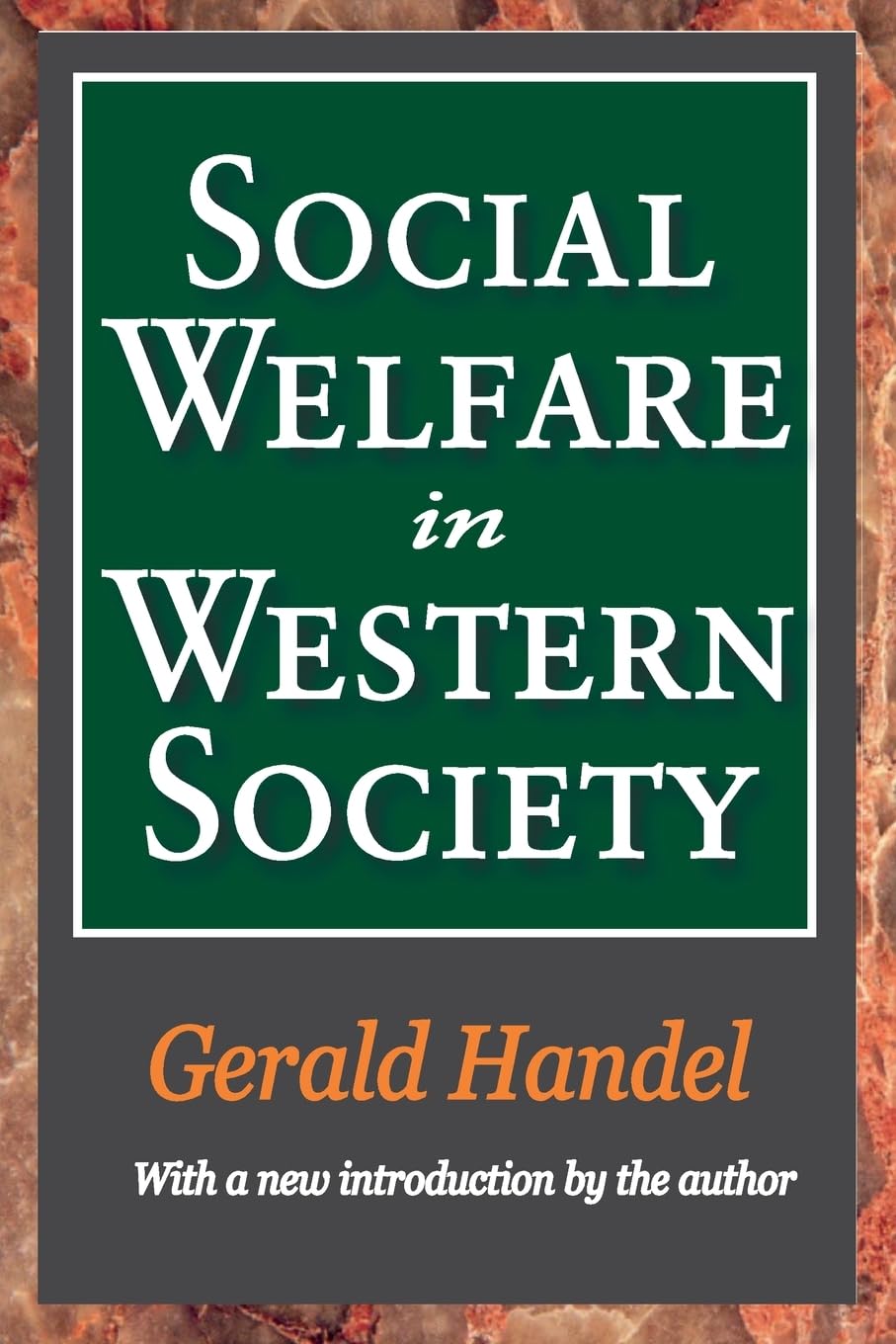
Social welfare has a threethousandyear history in Western society. This book offers a sociological framework that provides conceptual order to the countless details of that history, while highlighting its essentials. Social welfare in all its forms is based on one central concepthelp. But there are many versions of help and multiple debates about those versions. The outcomes of some debates have led to withholding help, and these outcomes are an inescapable part of this domain, in the past and in the present. The major versions, their development, and the debates are carefully examined in this volume.Social Welfare in Western Society argues that in history five basic concepts of help have emerged. These five, explored and developed are: charity, based on a relationship between private donors and recipients; public welfare, based on a relationship between the state and its recipients; social insurance, based on a relationship between the state and beneficiaries of its programs; social service, based on people skilled in interaction providing skillbased time to their clients; mutual aid groups (sometimes misleadingly called selfhelp groups), whose members are simultaneously helpers and those helped. There are multiple versions of each of these five concepts now usually referred to as social policy issues. There are fierce disagreements about what is helpful and which supposed forms of help are harmful to the wider society.The book concludes that major debates have centered and continue to center around these major issues: Should the poor be helped or punished? Who is to blame? Do the poor have the same rights as other people? Who should pay? Who should decide? What is the effect of receiving welfare on incentive to work? Who should be helped? This is a masterful text designed for professional and public reading.
⚠️ WARNING (California Proposition 65):
This product may contain chemicals known to the State of California to cause cancer, birth defects, or other reproductive harm.
For more information, please visit www.P65Warnings.ca.gov.