
Title
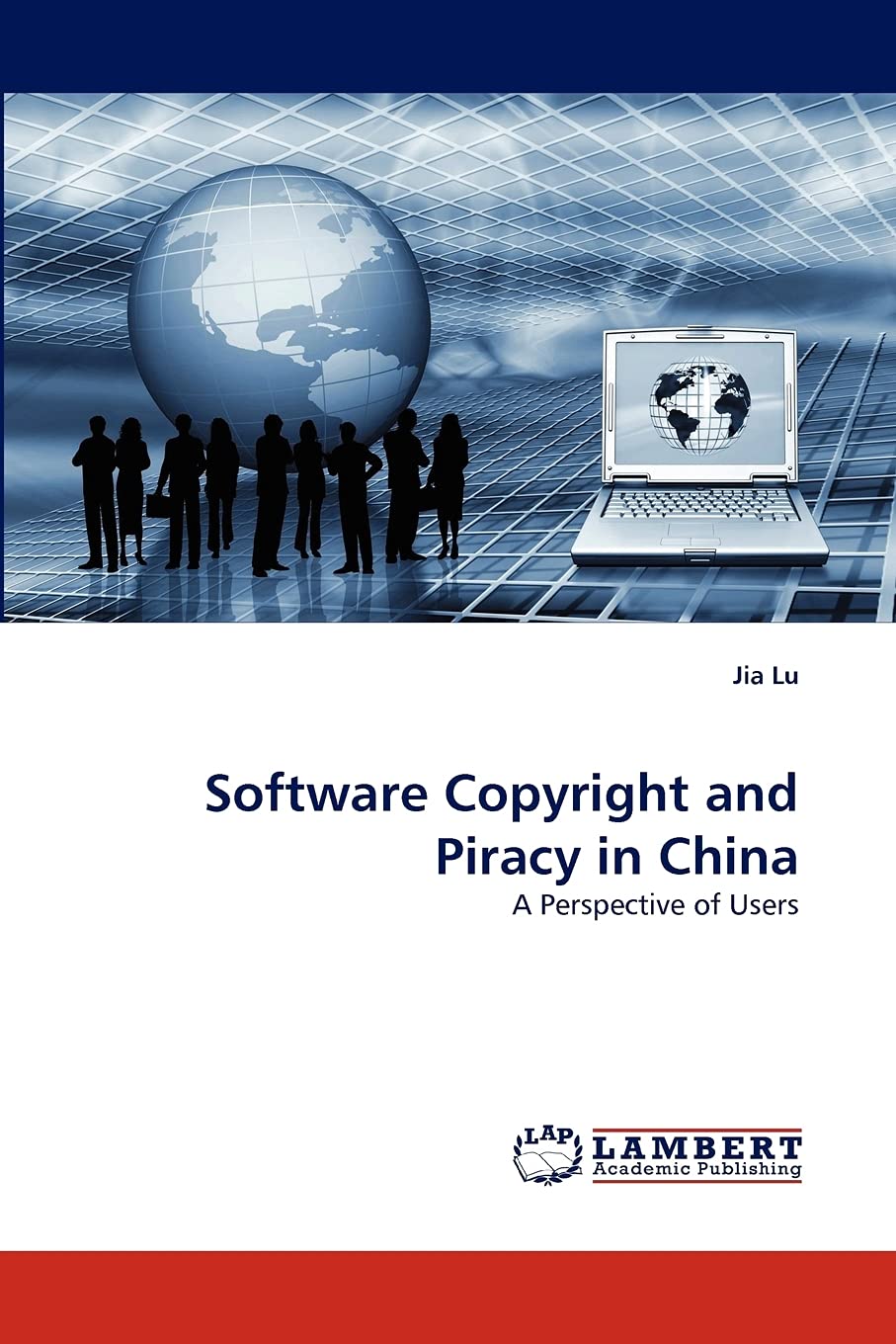
Software Copyright and Piracy in China: A Perspective of Users,Used
Sold by Ergodebooks, an authorized reseller.
Returns accepted within 30 days | support@ergodebooks.com
Shipping Information
- Free Standard Shipping — United States only
- Processing Time: 3–5 business days
- Estimated Delivery: 6–10 business days after dispatch
- Double-boxed, fully insured & discreetly packaged
- Tracking number sent via email once dispatched
Returns & Refund
Returns accepted within 30 days of delivery.
Damaged or Defective Item
Free return shipping + replacement or full refund
Wrong Item Received
Free return shipping + replacement or full refund
Change of Mind
Return shipping at customer's expense · 25% restocking fee applies
Payment Option

China's entry into the global networked society has raised considerable debate over what are derived from the development and expansion of information and communication technologies (ICTs). One of hotly debated issues is software piracy, which is critical to the credibility and stability of China?s membership to the global networked society. This book explored how Chinese software users perceive software copyright and piracy. The research revealed two opposing discourses existing in software users? perceptions, which represent globalization and anti globalization processes surrounding software copyright and piracy. Meanwhile, the confrontations between globalization and antiglobalization were moderated by new technology, patriotism, and Chinese culture to prevent software users from totally falling down into either direction of supporting or opposing software piracy. As a result, both forces of conformity and resistance coexist within software users? perceptions and fragment their identities. To deal with fragmented identities, Chinese users generally adopted a flexible, discriminative position involving a series of distinctions.
⚠️ WARNING (California Proposition 65):
This product may contain chemicals known to the State of California to cause cancer, birth defects, or other reproductive harm.
For more information, please visit www.P65Warnings.ca.gov.