
Title

Sound Business: Newspapers, Radio, and the Politics of New Media (American Business, Politics, and Society),Used
Sold by Ergodebooks, an authorized reseller.
Returns accepted within 30 days | support@ergodebooks.com
Shipping Information
- Free Standard Shipping — United States only
- Processing Time: 3–5 business days
- Estimated Delivery: 6–10 business days after dispatch
- Double-boxed, fully insured & discreetly packaged
- Tracking number sent via email once dispatched
Returns & Refund
Returns accepted within 30 days of delivery.
Damaged or Defective Item
Free return shipping + replacement or full refund
Wrong Item Received
Free return shipping + replacement or full refund
Change of Mind
Return shipping at customer's expense · 25% restocking fee applies
Payment Option

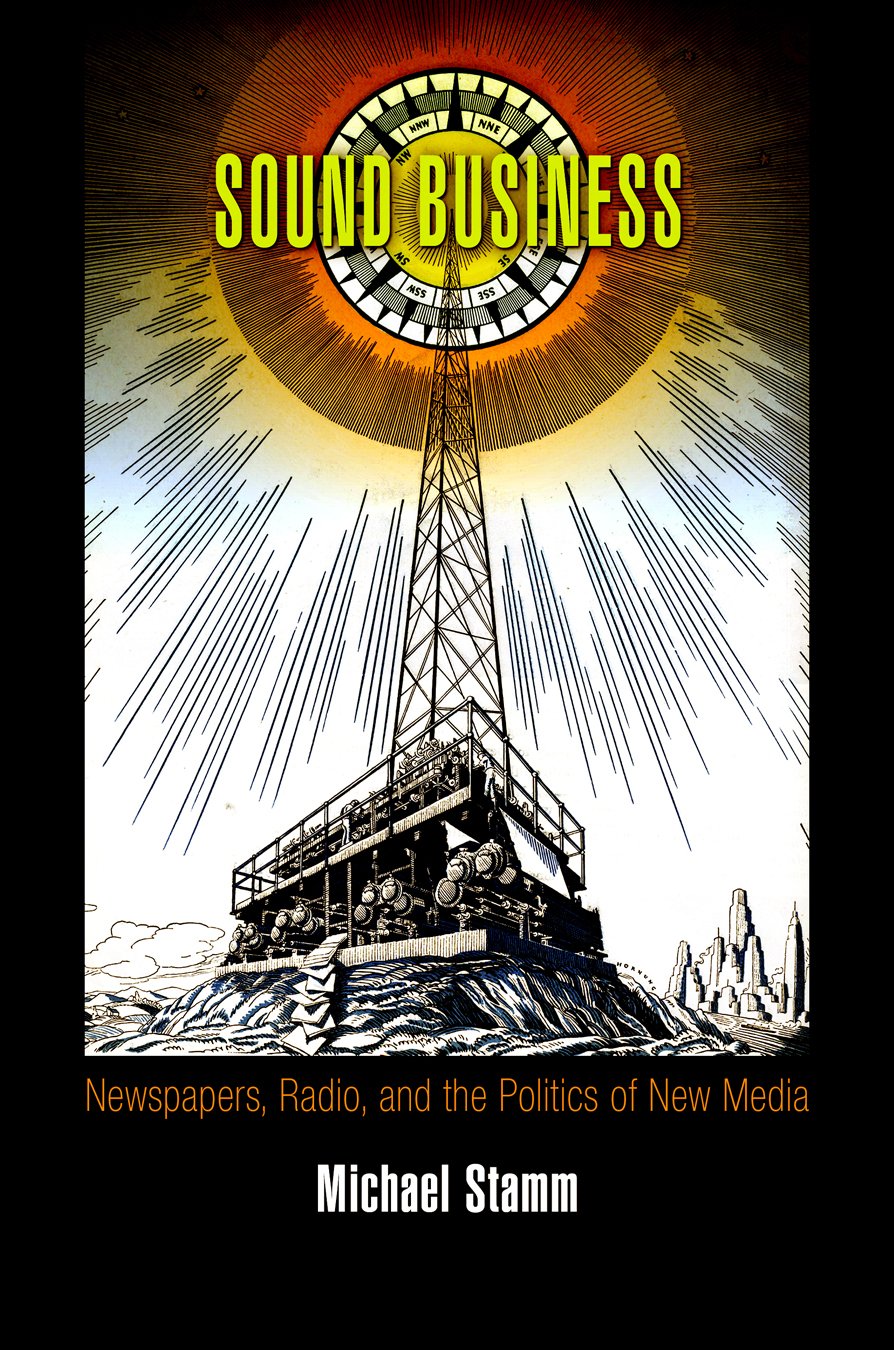
American newspapers have faced competition from new media for over ninety years. Today digital media challenge the printed word. In the 1920s, broadcast radio was the threatening upstart. At the time, newspaper publishers of all sizes turned threat into opportunity by establishing their own stations. Many, such as the Chicago Tribune's WGN, are still in operation. By 1940 newspapers owned 30 percent of America's radio stations. This new type of enterprise, the multimedia corporation, troubled those who feared its power to control the flow of news and information. In Sound Business, historian Michael Stamm traces how these corporations and their critics reshaped the ways Americans received the news.Stamm is attuned to a neglected aspect of U.S. media history: the role newspaper owners played in communications from the dawn of radio to the rise of television. Drawing on a wide array of primary sources, he recounts the controversies surrounding joint newspaper and radio operations. These companies capitalized on synergies between print and broadcast production. As their advertising revenue grew, so did concern over their concentrated influence. Federal policymakers, especially during the New Deal, responded to widespread concerns about the consequences of media consolidation by seeking to limit and even ban cross ownership. The debates between corporations, policymakers, and critics over how to regulate these new kinds of media businesses ultimately structured the channels of information distribution in the United States and determined who would control the institutions undergirding American society and politics.Sound Business is a timely examination of the connections between media ownership, content, and distribution, one that both expands our understanding of midtwentiethcentury America and offers lessons for the digital age.
⚠️ WARNING (California Proposition 65):
This product may contain chemicals known to the State of California to cause cancer, birth defects, or other reproductive harm.
For more information, please visit www.P65Warnings.ca.gov.