If you have any questions, you are always welcome to contact us. We'll get back to you as soon as possible, withing 24 hours on weekdays.
Customer service
All questions about your order, return and delivery must be sent to our customer service team by e-mail at yourstore@yourdomain.com
Sale & Press
If you are interested in selling our products, need more information about our brand or wish to make a collaboration, please contact us at press@yourdomain.com
Help
If you have any questions, you are always welcome to contact us. We'll get back to you as soon as possible, withing 24 hours on weekdays.
Customer service
All questions about your order, return and delivery must be sent to our customer service team by e-mail at yourstore@yourdomain.com
Sale & Press
If you are interested in selling our products, need more information about our brand or wish to make a collaboration, please contact us at press@yourdomain.com
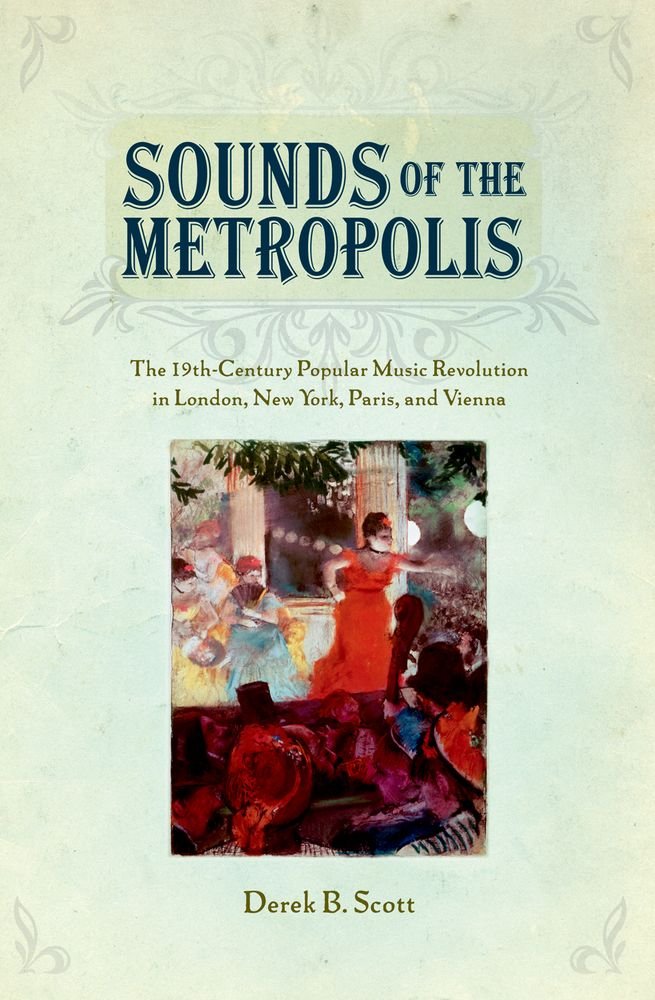
The Phrase 'Popular Music Revolution' May Instantly Bring To Mind Such Twentiethcentury Musical Movements As Jazz And Rock 'N' Roll. In Sounds Of The Metropolis, However, Derek Scott Argues That The First Popular Music Revolution Actually Occurred In The Nineteenth Century, Illustrating How A Distinct Group Of Popular Styles First Began To Assert Their Independence And Values. He Explains The Popular Music Revolution As Driven By Social Changes And The Incorporation Of Music Into A System Of Capitalist Enterprise, Which Ultimately Resulted In A Polarization Between Musical Entertainment (Or 'Commercial' Music) And 'Serious' Art. He Focuses On The Key Genres And Styles That Precipitated Musical Change At That Time, And That Continued To Have An Impact Upon Popular Music In The Next Century. By The End Of The Nineteenth Century, Popular Music Could No Longer Be Viewed As Watered Down Or More Easily Assimilated Art Music; It Had Its Own Characteristic Techniques, Forms, And Devices. As Scott Shows, 'Popular' Refers Here, For The First Time, Not Only To The Music'S Reception, But Also To The Presence Of These Specific Features Of Style. The Shift In Meaning Of 'Popular' Provided Critics With Tools To Condemn Music That Bore The Signs Of The Popularwhich They Regarded As Fashionable And Facile, Rather Than Progressive And Serious. A Fresh And Persuasive Consideration Of The Genesis Of Popular Music On Its Own Terms, Sounds Of The Metropolis Breaks New Ground In The Study Of Music, Cultural Sociology, And History.
⚠️ WARNING (California Proposition 65):
This product may contain chemicals known to the State of California to cause cancer,
birth defects, or other reproductive harm.
For MAP (Minimum Advertised Price) violations and Intellectual Property (IP) or Trademark concerns, please contact:
support@ergodebooks.com
⚠️ California Proposition 65 Warning: Some products sold on this website may expose you to chemicals known to the State of California to cause cancer, birth defects, or other reproductive harm. For more information, visit www.P65Warnings.ca.gov.