
Title
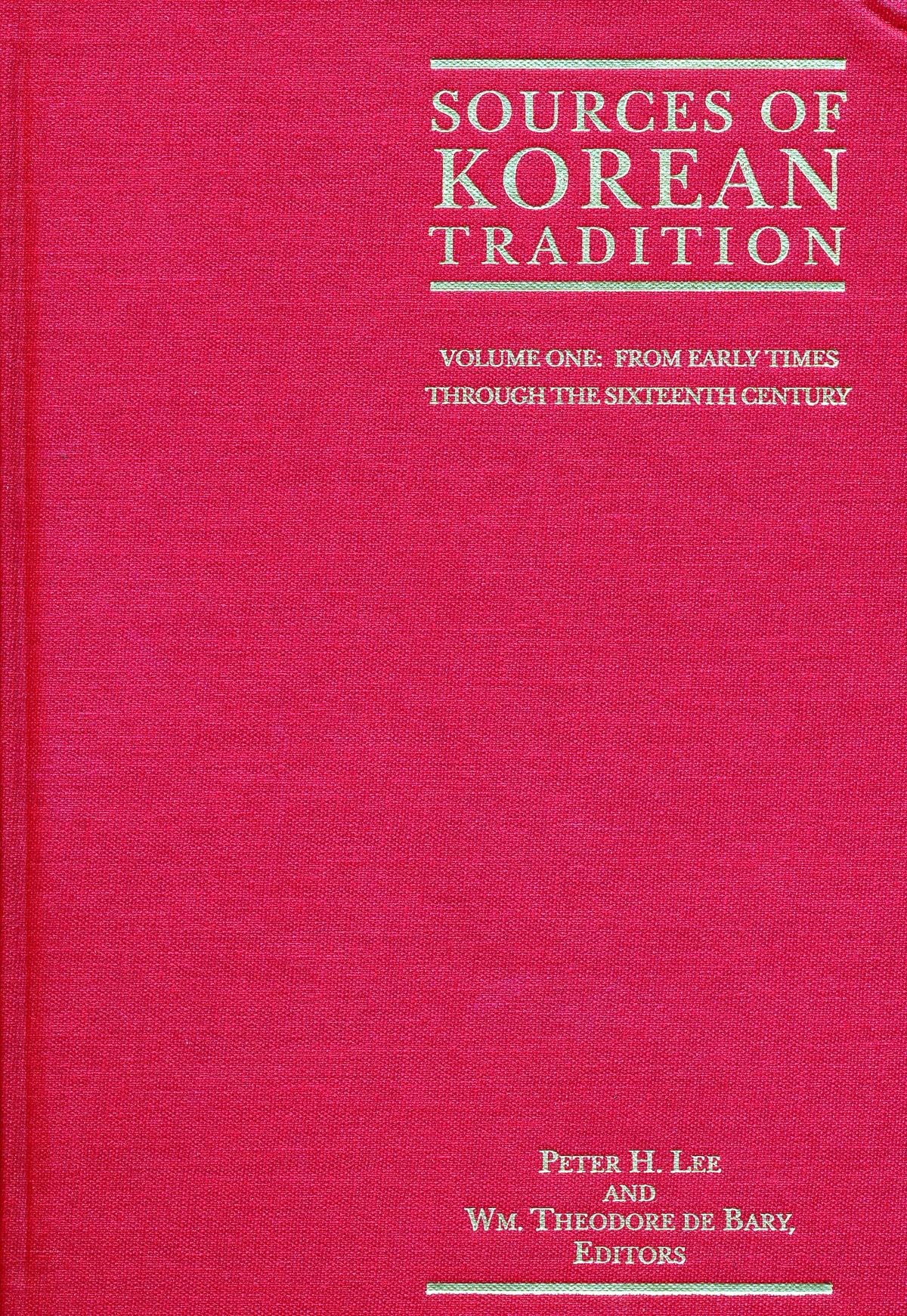
Sources Of Korean Tradition, Vol. 1: From Early Times Through The 16Th Century (Introduction To Asian Civilizations)
Sold by Ergodebooks, an authorized reseller.
Returns accepted within 30 days | support@ergodebooks.com
Shipping Information
- Free Standard Shipping — United States only
- Processing Time: 3–5 business days
- Estimated Delivery: 6–10 business days after dispatch
- Double-boxed, fully insured & discreetly packaged
- Tracking number sent via email once dispatched
Returns & Refund
Returns accepted within 30 days of delivery.
Damaged or Defective Item
Free return shipping + replacement or full refund
Wrong Item Received
Free return shipping + replacement or full refund
Change of Mind
Return shipping at customer's expense · 25% restocking fee applies
Payment Option

Drawn From Peter H. Lee'S Sourcebook Of Korean Civilization, Volume I, This Abridged Introductory Collection Offers Students And General Readers Primary Readings In The Social, Intellectual, And Religious Traditions Of Korea From Ancient Times Through The Sixteenth Century. Sources Of Korean Tradition Is Arranged According To The Major Epochs Of Korean History, Including Sections On: Korean Culture Its Origins, Writing, Education, Poetry, Song, Social Life, And Rituals; Religion The Rise Of Buddhism And Confucianism; The Economy The Land, Agriculture, Commerce, And Currency; And Its Changing Political Structures.A Superb Collection By The Foremost Scholars In The Field, Sources Of Korean Tradition Is Supplemented By A Bibliography And Prefaces By Both Editors. An Impressive Storehouse For The Grand Corpus Of Thought, Beliefs, And Customs Held By People Of Korea For Centuries, This Volume Is A Valuable Companion For Those Interested In The History Of Korea And East Asian Studies.
⚠️ WARNING (California Proposition 65):
This product may contain chemicals known to the State of California to cause cancer, birth defects, or other reproductive harm.
For more information, please visit www.P65Warnings.ca.gov.
- Q: What is the page count of this book? A: This book has four hundred eighty pages. It provides an extensive overview of Korean traditions, making it suitable for both students and general readers.
- Q: What are the dimensions of this book? A: The book measures eight point nine four inches in length, six point zero two inches in width, and one point two two inches in height. These dimensions make it easy to handle and read.
- Q: What binding type does this book have? A: This book is paperback bound. This type of binding is lightweight and flexible, perfect for casual reading.
- Q: How do I read this book effectively? A: To read this book effectively, consider starting with the sections on Korean culture, religion, and political structures. Each section is arranged chronologically for better understanding.
- Q: Is this book suitable for beginners in Korean history? A: Yes, this book is suitable for beginners. It introduces major themes in Korean history through primary readings, making complex topics accessible.
- Q: Can this book be used for academic studies? A: Yes, this book is ideal for academic studies. It includes primary readings and a bibliography, providing a solid foundation for research.
- Q: How should I store this book? A: Store this book in a cool, dry place to protect it from moisture and sunlight. Keeping it on a bookshelf upright will help maintain its condition.
- Q: Are there any special care instructions for this book? A: No special care instructions are required for this book. Just handle it gently and keep it away from extreme temperatures.
- Q: Is this book safe for children? A: Yes, this book is generally safe for older children, particularly those interested in history. However, parental guidance may be beneficial for younger readers.
- Q: What if the book arrives damaged? A: If the book arrives damaged, you should contact the seller for a return or exchange. Most sellers have policies in place for such situations.
- Q: What should I do if I have issues with the book? A: If you encounter issues with the book, such as missing pages, reach out to customer support. They can assist you with returns or replacements.
- Q: How does this book compare to other texts on Korean history? A: This book offers a unique perspective with primary readings, unlike many other texts that may summarize or analyze. It's a valuable resource for in-depth understanding.
- Q: Is this book good for understanding Korean religion? A: Yes, this book provides insights into the rise of Buddhism and Confucianism in Korea. It’s a great starting point for those interested in Korean religious traditions.
- Q: What topics are covered in this book? A: This book covers a variety of topics, including Korean culture, religion, economy, and political structures from early times through the sixteenth century.
- Q: Does this book include a bibliography? A: Yes, this book includes a bibliography. This feature is useful for readers who want to explore the subject further.
- Q: Who is the author of this book? A: The author of this book is Peter H. Lee. He is a well-respected scholar in the field of Korean studies.