
Title
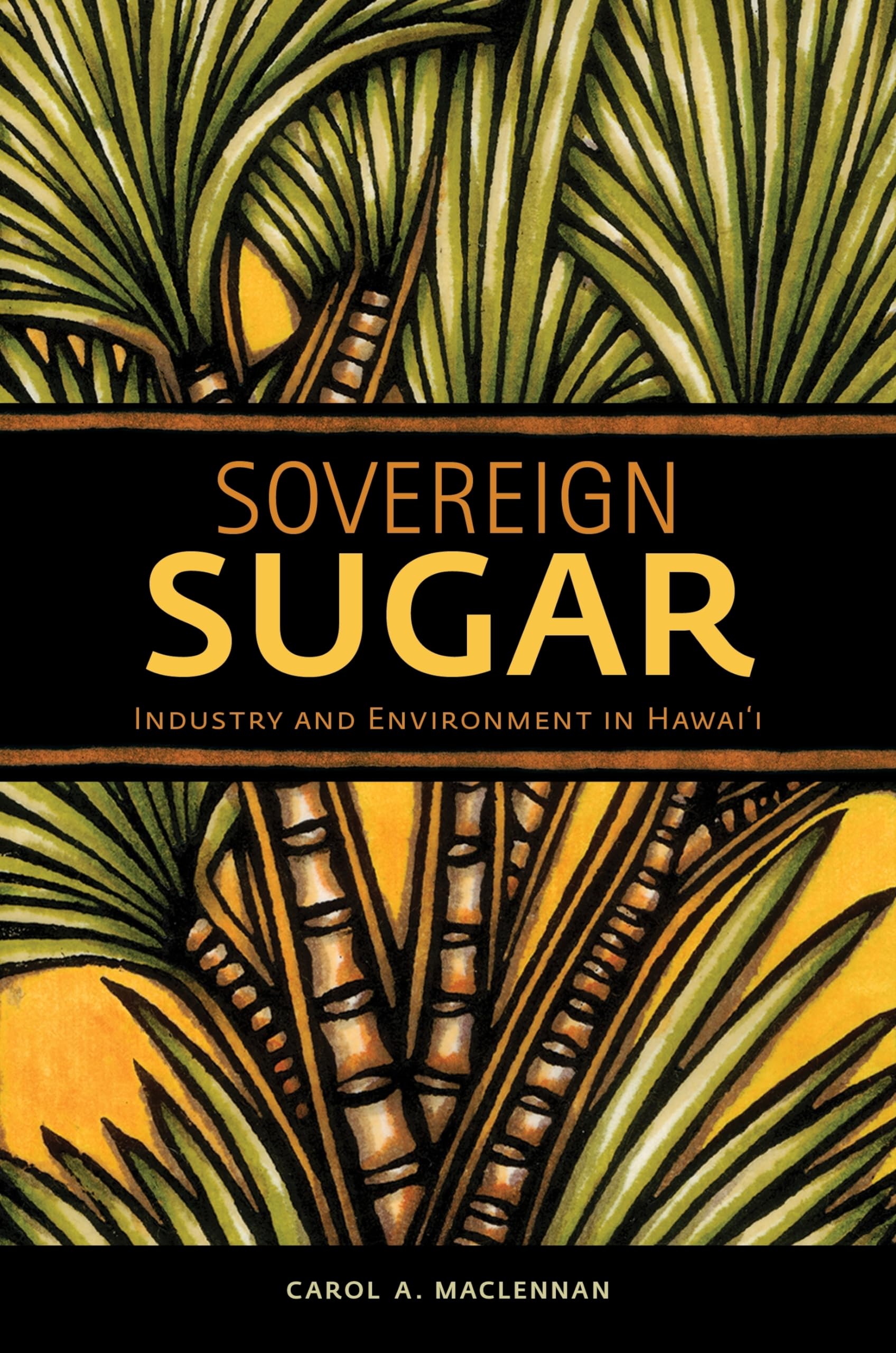
Sovereign Sugar: Industry and Environment in Hawaii,Used
Sold by Ergodebooks, an authorized reseller.
Returns accepted within 30 days | support@ergodebooks.com
Shipping Information
- Free Standard Shipping — United States only
- Processing Time: 3–5 business days
- Estimated Delivery: 6–10 business days after dispatch
- Double-boxed, fully insured & discreetly packaged
- Tracking number sent via email once dispatched
Returns & Refund
Returns accepted within 30 days of delivery.
Damaged or Defective Item
Free return shipping + replacement or full refund
Wrong Item Received
Free return shipping + replacement or full refund
Change of Mind
Return shipping at customer's expense · 25% restocking fee applies
Payment Option

Although little remains of Hawaiis plantation economy, the sugar industrys past dominance has created the Hawaii we see today. Many of the most pressing and controversial issuesurban and resort development, water rights, expansion of suburbs into agriculturally rich lands, pollution from herbicides, invasive species in native forests, an unsustainable economycan be tied to Hawaiis industrial sugar history.Sovereign Sugar unravels the tangled relationship between the sugar industry and Hawaiis cultural and natural landscapes. It is the first work to fully examine the complex tapestry of socioeconomic, political, and environmental forces that shaped sugars role in Hawaii. While early Polynesian and European influences on island ecosystems started the process of biological change, plantation agriculture, with its voracious need for land and water, profoundly altered Hawaiis landscape.MacLennan focuses on the rise of industrial and political power among the sugar planter elite and its politicalecological consequences. The book opens in the 1840s when the Hawaiian Islands were under the influence of American missionaries. Changes in property rights and the move toward Western governance, along with the demands of a growing industrial economy, pressed upon the new Hawaiian nation and its forests and water resources. Subsequent chapters trace island ecosystems, plantation communities, and natural resource policies through timeby the 1930s, the sugar economy engulfed both human and environmental landscapes. The author argues that sugar manufacture has not only significantly transformed Hawaii but its legacy provides lessons for future outcomes.
⚠️ WARNING (California Proposition 65):
This product may contain chemicals known to the State of California to cause cancer, birth defects, or other reproductive harm.
For more information, please visit www.P65Warnings.ca.gov.