If you have any questions, you are always welcome to contact us. We'll get back to you as soon as possible, withing 24 hours on weekdays.
Customer service
All questions about your order, return and delivery must be sent to our customer service team by e-mail at yourstore@yourdomain.com
Sale & Press
If you are interested in selling our products, need more information about our brand or wish to make a collaboration, please contact us at press@yourdomain.com
Help
If you have any questions, you are always welcome to contact us. We'll get back to you as soon as possible, withing 24 hours on weekdays.
Customer service
All questions about your order, return and delivery must be sent to our customer service team by e-mail at yourstore@yourdomain.com
Sale & Press
If you are interested in selling our products, need more information about our brand or wish to make a collaboration, please contact us at press@yourdomain.com
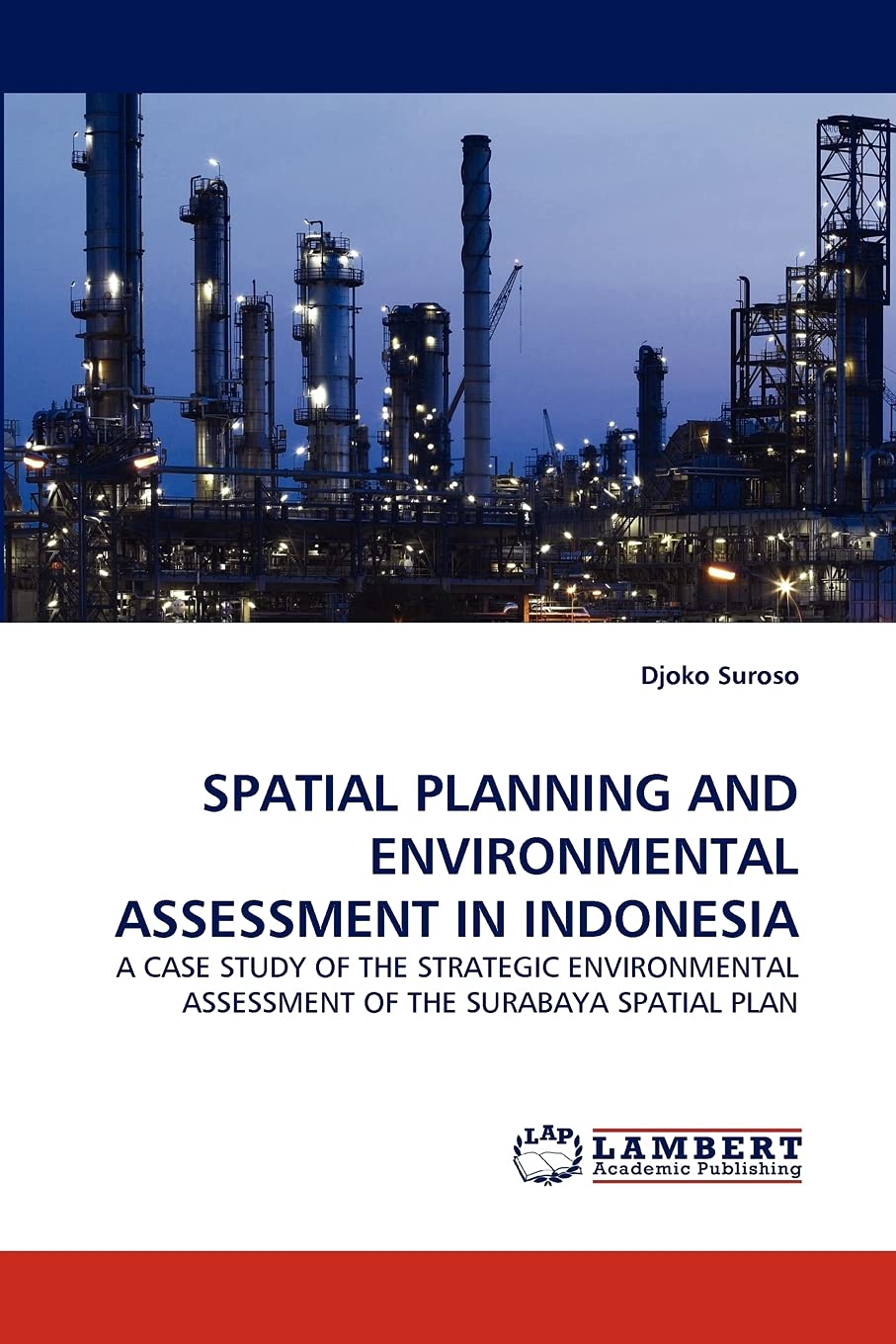
The Government of Indonesia has attempted to implement sustainable development since the 1970s through various strategies, including spatial planning and Environmental Impact Assessment. Nevertheless, the strong economic performance that has characterised Indonesia for most of this period, has been achieved at the cost of serious environmental degradation and social problems. It is clear that there is an urgent need for further review of the instruments through which environmental concerns are integrated into resource use decisions. The examination of the spatial planning system in Indonesia reveals a series of inadequacies in terms of its ability to support sustainable development. The 1992 Spatial Use Management Act (SUMA) and its implementing regulations contain strong environmental commitment. However, as it only governs spatial planning in general it is inadequate for dealing with planning at local levels where decisions involving major environmental impacts are made. The research shows that planning is not integrated and does not demonstrate effective concern for the environment.
⚠️ WARNING (California Proposition 65):
This product may contain chemicals known to the State of California to cause cancer,
birth defects, or other reproductive harm.
For MAP (Minimum Advertised Price) violations and Intellectual Property (IP) or Trademark concerns, please contact:
support@ergodebooks.com
⚠️ California Proposition 65 Warning: Some products sold on this website may expose you to chemicals known to the State of California to cause cancer, birth defects, or other reproductive harm. For more information, visit www.P65Warnings.ca.gov.