
Title
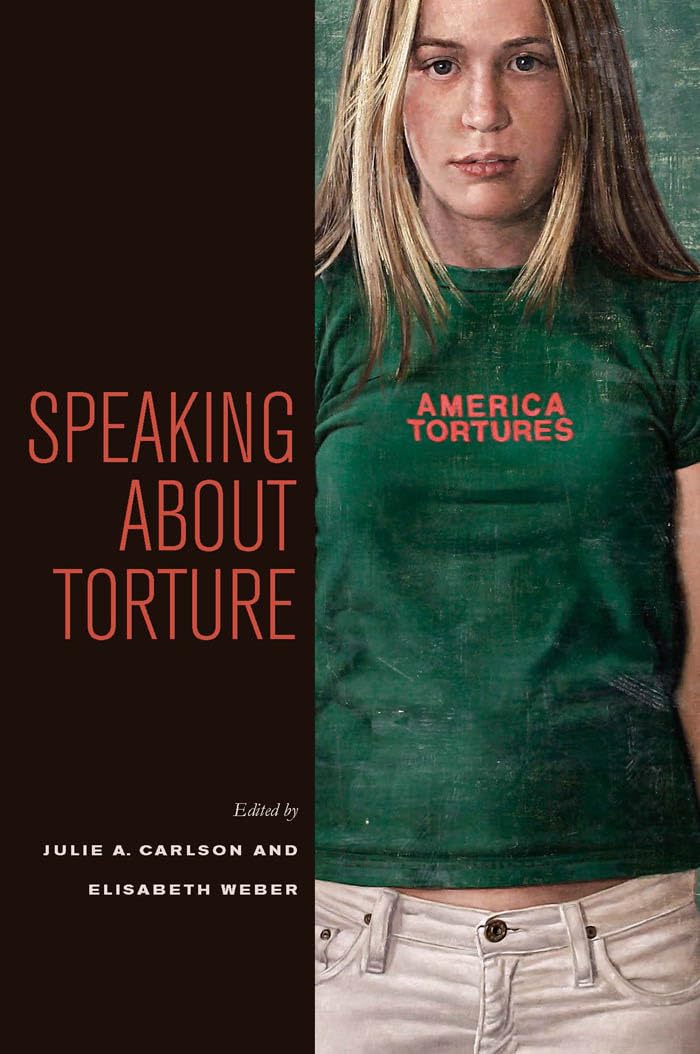
Speaking about Torture,New
Sold by Ergodebooks, an authorized reseller.
Returns accepted within 30 days | support@ergodebooks.com
Shipping Information
- Free Standard Shipping — United States only
- Processing Time: 3–5 business days
- Estimated Delivery: 6–10 business days after dispatch
- Double-boxed, fully insured & discreetly packaged
- Tracking number sent via email once dispatched
Returns & Refund
Returns accepted within 30 days of delivery.
Damaged or Defective Item
Free return shipping + replacement or full refund
Wrong Item Received
Free return shipping + replacement or full refund
Change of Mind
Return shipping at customer's expense · 25% restocking fee applies
Payment Option

This collection of essays is the first book to take up the urgent issue of torture from the array of approaches offered by the arts and humanities. In the post9/11 era, where we are once again compelled to entertain debates about the legality of torture, this volume speaks about the practice in an effort to challenge the surprisingly widespread acceptance of statesanctioned torture among Americans, including academics and the mediaentertainment complex. Speaking about Torture also claims that the concepts and techniques practiced in the humanities have a special contribution to make to this debate, going beyond what is usually deemed a matter of policy for experts in government and the social sciences. It contends that the way one speaks about tortureincluding that one speaks about itis key to comprehending, legislating, and eradicating torture. That is, we cannot discuss torture without taking into account the assaults on truth, memory, subjectivity, and language that the humanities theorize and that the experience of torture perpetuates. Such accounts are crucial to framing the silencing and demonizing that accompany the practice and representation of torture.Written by scholars in literary analysis, philosophy, history, film and media studies, musicology, and art history working in the United States, Europe, and the Middle East, the essays in this volume speak from a conviction that torture does not work to elicit truth, secure justice, or maintain security. They engage in various ways with the limits that torture imposes on language, on subjects and community, and on governmental officials, while also confronting the complicity of artists and humanists in torture through their silence, forms of silencing, and classic means of representation. Acknowledging this history is central to the volumes advocacy of speaking about torture through the forms of witness offered and summoned by the humanities.
⚠️ WARNING (California Proposition 65):
This product may contain chemicals known to the State of California to cause cancer, birth defects, or other reproductive harm.
For more information, please visit www.P65Warnings.ca.gov.