If you have any questions, you are always welcome to contact us. We'll get back to you as soon as possible, withing 24 hours on weekdays.
Customer service
All questions about your order, return and delivery must be sent to our customer service team by e-mail at yourstore@yourdomain.com
Sale & Press
If you are interested in selling our products, need more information about our brand or wish to make a collaboration, please contact us at press@yourdomain.com
Help
If you have any questions, you are always welcome to contact us. We'll get back to you as soon as possible, withing 24 hours on weekdays.
Customer service
All questions about your order, return and delivery must be sent to our customer service team by e-mail at yourstore@yourdomain.com
Sale & Press
If you are interested in selling our products, need more information about our brand or wish to make a collaboration, please contact us at press@yourdomain.com
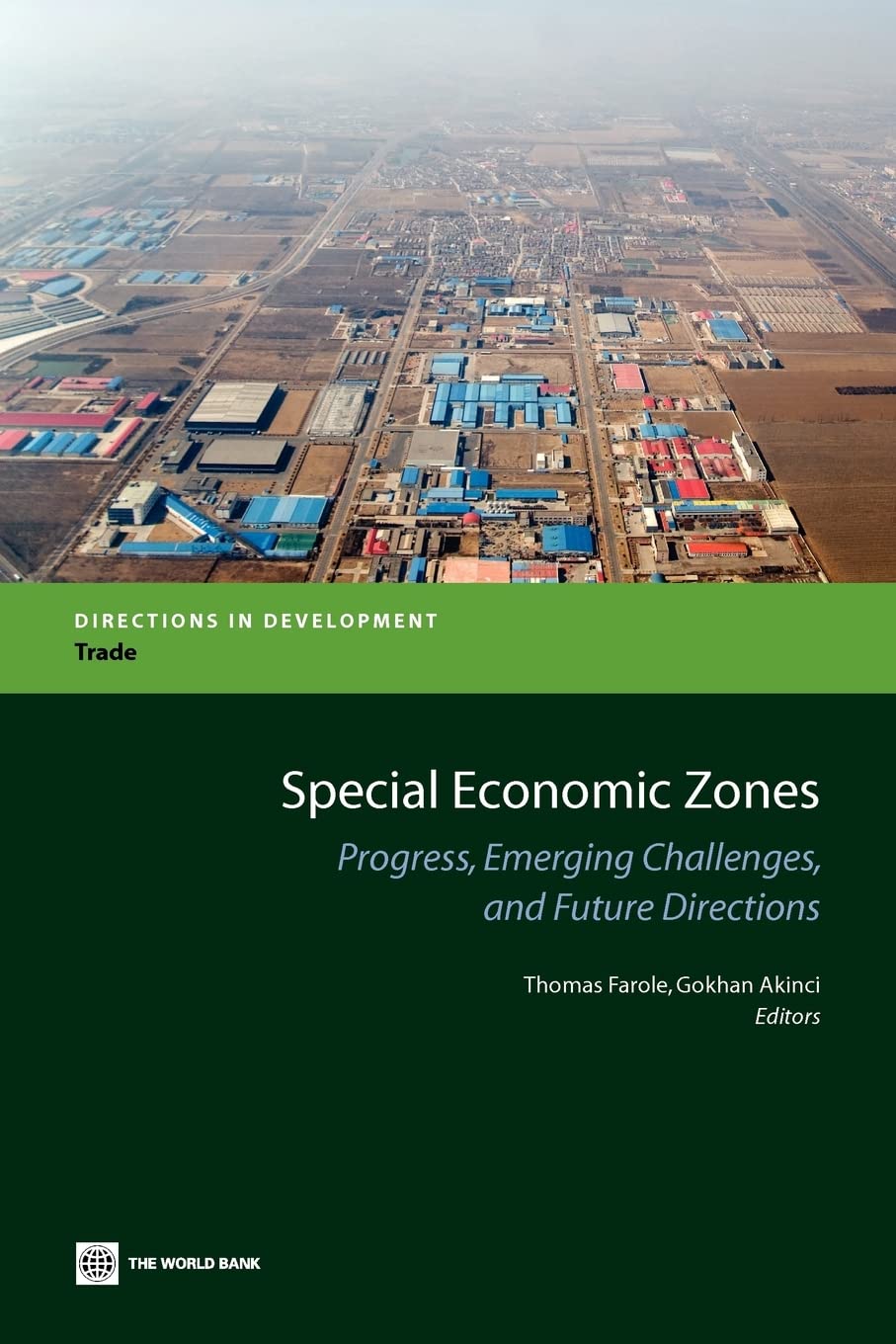
For countries as diverse as China and Mauritius, Special Economic Zones (SEZs) have been a powerful tool to attract foreign investment, promote exportoriented growth, and generate employment; for many others, the results have been less than encouraging. While the benefits and limitations of zones will no doubt continue to be debated, what is clear is that policymakers are increasingly attracted to them as an instrument of trade, investment, industrial, and spatial policy. Since the mid 1980s, the number of newlyestablished zones has grown rapidly in almost all regions, with dramatic growth in developing countries. In parallel with this growth and in the evolving context of global trade and investment, zones are also undergoing significant change in both their form and function, with traditional export processing zones (EPZs) increasingly giving way to larger and more flexible SEZ models. This new context will bring significant opportunities for developing countries to take advantage of SEZs, but will also raise new challenges to their successful design and implementation. This volume aims to contribute to a better understanding of the role and practice of SEZs in developing countries, in order to better equip policymakers in making effective decisions in planning and implementing SEZ programs. It covers some of the emerging issues and challenges in SEZs including upgrading, regional integration, WTO compliance, innovation, the environment, and gender issues with practical case examples from SEZ programs in developing countries.
⚠️ WARNING (California Proposition 65):
This product may contain chemicals known to the State of California to cause cancer,
birth defects, or other reproductive harm.
For MAP (Minimum Advertised Price) violations and Intellectual Property (IP) or Trademark concerns, please contact:
support@ergodebooks.com
⚠️ California Proposition 65 Warning: Some products sold on this website may expose you to chemicals known to the State of California to cause cancer, birth defects, or other reproductive harm. For more information, visit www.P65Warnings.ca.gov.