If you have any questions, you are always welcome to contact us. We'll get back to you as soon as possible, withing 24 hours on weekdays.
Customer service
All questions about your order, return and delivery must be sent to our customer service team by e-mail at yourstore@yourdomain.com
Sale & Press
If you are interested in selling our products, need more information about our brand or wish to make a collaboration, please contact us at press@yourdomain.com
Help
If you have any questions, you are always welcome to contact us. We'll get back to you as soon as possible, withing 24 hours on weekdays.
Customer service
All questions about your order, return and delivery must be sent to our customer service team by e-mail at yourstore@yourdomain.com
Sale & Press
If you are interested in selling our products, need more information about our brand or wish to make a collaboration, please contact us at press@yourdomain.com
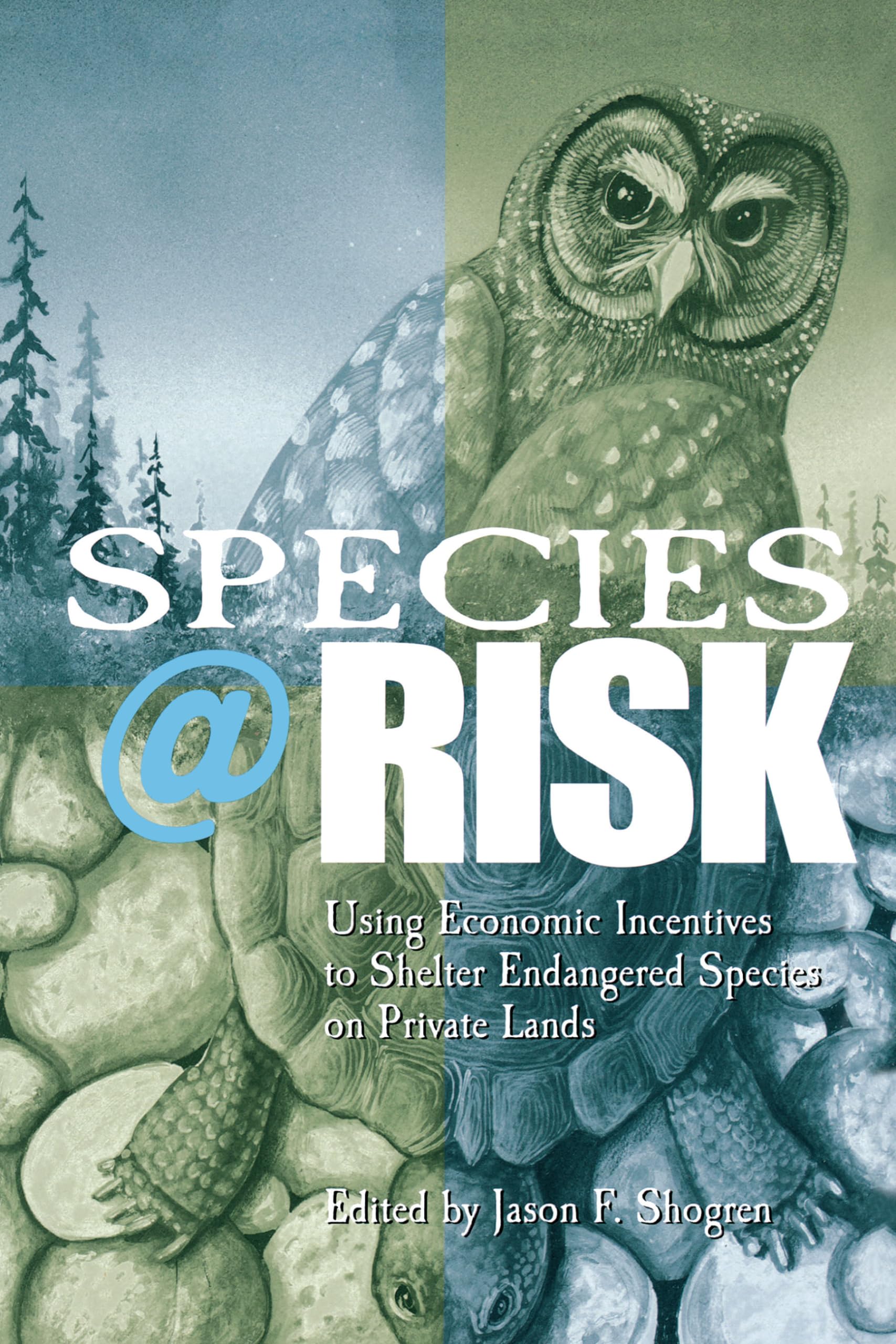
Protecting endangered species of animals and plants is a goal that almost everyone supports in principlebut in practice private landowners have often opposed the regulations of the Endangered Species Act, which, they argue, unfairly limits their right to profit from their property. To encourage private landowners to cooperate voluntarily in species conservation and to mitigate the economic burden of doing so, the government and nonprofit land trusts have created a number of incentive programs, including conservation easements, leases, habitat banking, habitat conservation planning, safe harbors, candidate conservation agreements, and the 'no surprise' policy.In this book, lawyers, economists, political scientists, historians, and zoologists come together to assess the challenges and opportunities for using economic incentives as compensation for protecting species at risk on private property. They examine current programs to see how well they are working and also offer ideas for how these programs could be more successful. Their ultimate goal is to better understand how economic incentive schemes can be made both more costeffective and more socially acceptable, while respecting a wide range of views regarding opportunity costs, legal standing, biological effectiveness, moral appropriateness, and social context.
⚠️ WARNING (California Proposition 65):
This product may contain chemicals known to the State of California to cause cancer,
birth defects, or other reproductive harm.
For MAP (Minimum Advertised Price) violations and Intellectual Property (IP) or Trademark concerns, please contact:
support@ergodebooks.com
⚠️ California Proposition 65 Warning: Some products sold on this website may expose you to chemicals known to the State of California to cause cancer, birth defects, or other reproductive harm. For more information, visit www.P65Warnings.ca.gov.