
Title
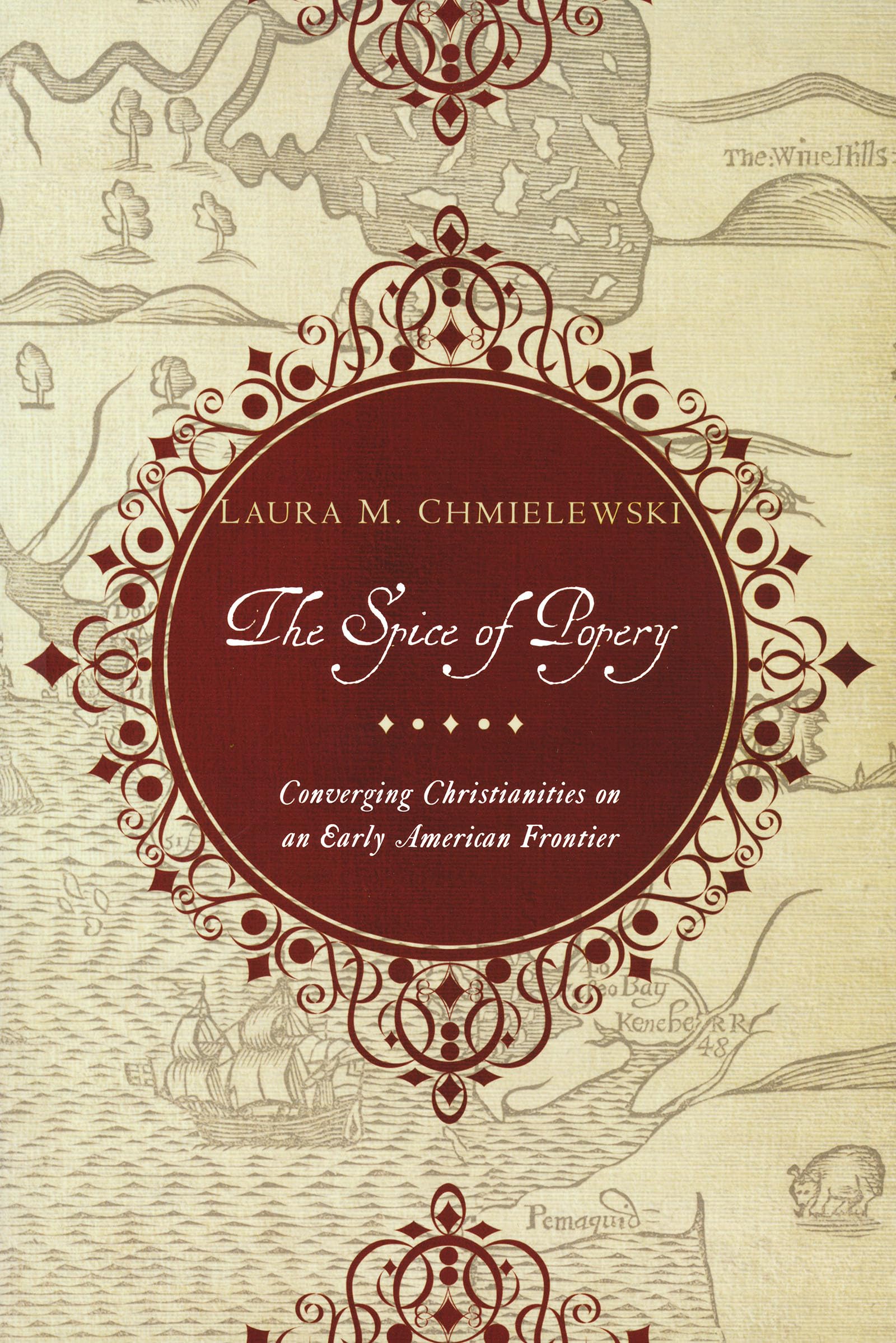
Spice of Popery: Converging Christianities on an Early American Frontier,Used
Sold by Ergodebooks, an authorized reseller.
Returns accepted within 30 days | support@ergodebooks.com
Shipping Information
- Free Standard Shipping — United States only
- Processing Time: 3–5 business days
- Estimated Delivery: 6–10 business days after dispatch
- Double-boxed, fully insured & discreetly packaged
- Tracking number sent via email once dispatched
Returns & Refund
Returns accepted within 30 days of delivery.
Damaged or Defective Item
Free return shipping + replacement or full refund
Wrong Item Received
Free return shipping + replacement or full refund
Change of Mind
Return shipping at customer's expense · 25% restocking fee applies
Payment Option

The title for this work comes from the Puritan minister Increase Mather, who used the colorful metaphor to express his concern about the state of English Protestantism. Like many New Englanders, Mathers fears about the creeping influence of French Catholicism stemmed from English conflicts with France that spilled over into the colonial frontiers from French Canada. The most consistently fragile of these frontiers was the Province of Maine, notorious for attracting settlers who had one foot out the door of New England Puritanism. It was there that English Protestants and French Catholics came into frequent contact. The Spice of Popery: Converging Christianities on an Early American Frontier shows how, between the volatile years of 1688 to 1727, the persistence of Catholic people and culture in New England's border regions posed consistent challenges to the bodies and souls of frontier Protestants.Taking a cue from contemporary observers of religious culture, as well as modern scholars of early American religion, social history, material culture, and ethnohistory, Laura M. Chmielewski explores this encounter between opposing Christianities on an early American frontier. She examines the forms of lived religion and religious cultureenacted through gestures, religious spaces, objects, and discreet religious expressionsto elucidate the range of experience of its diverse inhabitants: accused witches, warrior Jesuits, unorthodox ministers, indigenous religious thinkers, voluntary and involuntary converts. Chmielewski offers a nuanced perspective of the structured categories of early American Christian religious life, suggesting that the terms Protestant and Catholic varied according to location and circumstances and that the assumptions accompanying their use had longterm consequences for generations of New Englanders.
⚠️ WARNING (California Proposition 65):
This product may contain chemicals known to the State of California to cause cancer, birth defects, or other reproductive harm.
For more information, please visit www.P65Warnings.ca.gov.