
Title
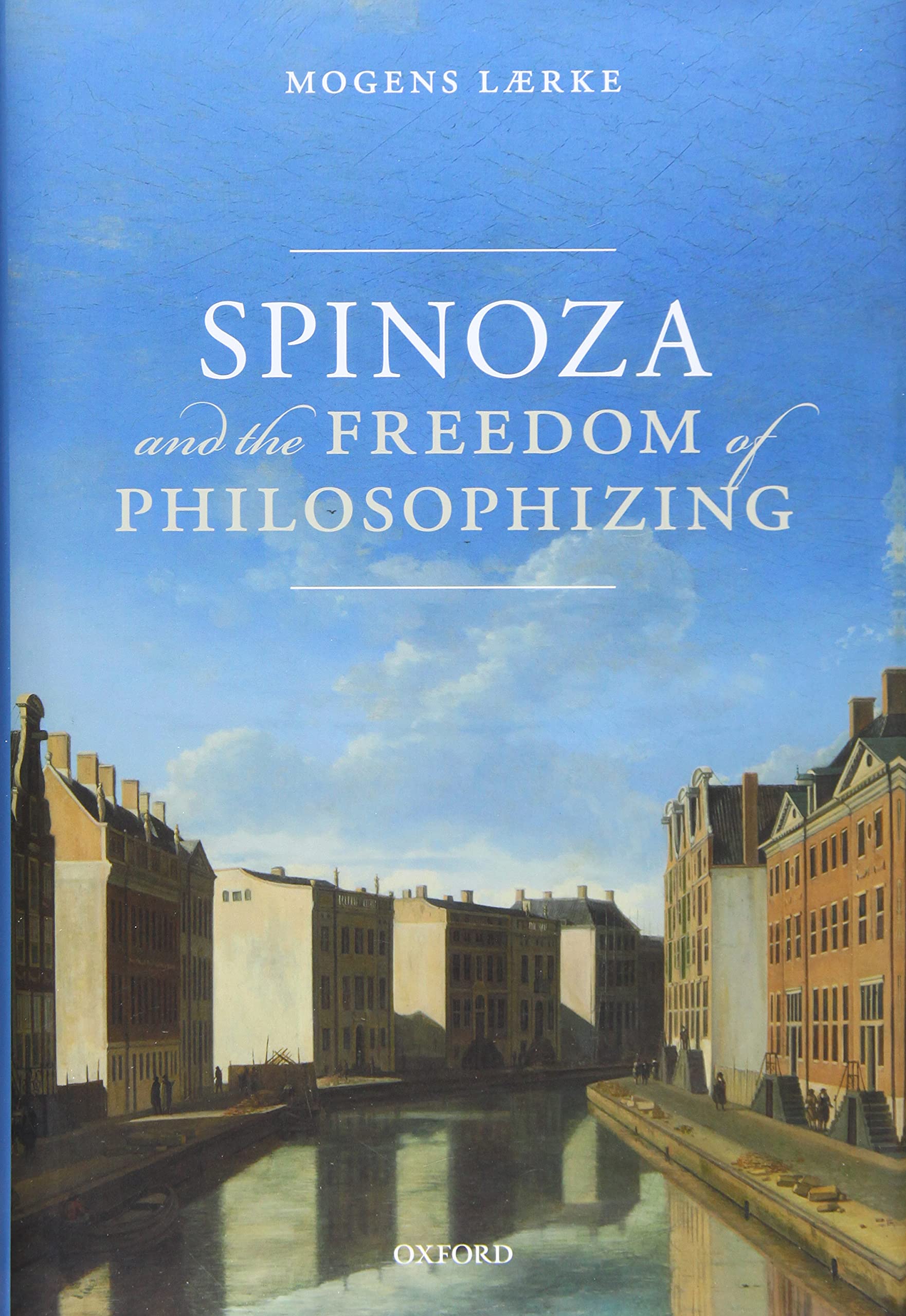
Spinoza and the Freedom of Philosophizing,Used
Sold by Ergodebooks, an authorized reseller.
Returns accepted within 30 days | support@ergodebooks.com
Shipping Information
- Free Standard Shipping — United States only
- Processing Time: 3–5 business days
- Estimated Delivery: 6–10 business days after dispatch
- Double-boxed, fully insured & discreetly packaged
- Tracking number sent via email once dispatched
Returns & Refund
Returns accepted within 30 days of delivery.
Damaged or Defective Item
Free return shipping + replacement or full refund
Wrong Item Received
Free return shipping + replacement or full refund
Change of Mind
Return shipping at customer's expense · 25% restocking fee applies
Payment Option

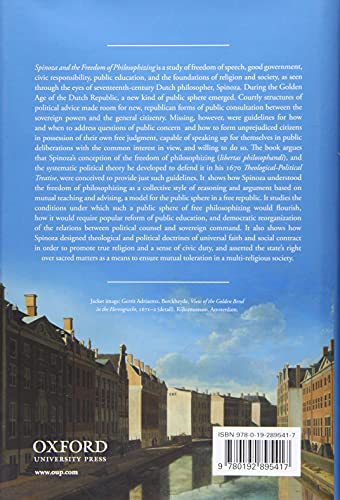
Spinoza and the Freedom of Philosophizing is a study of freedom of speech, good government, civic responsibility, public education, and the foundations of religion and society, as seen through the eyes of seventeenthcentury Dutch philosopher Spinoza. During the Golden Age of the Dutch Republic, a new kind of public sphere emerged. Courtly structures of political advice made room for new, republican forms of public consultation between the sovereign powers and the general citizenry. Missing, however, were guidelines for how and when to address questions of public concern and how to form unprejudiced citizens in possession of their own free judgment, capable of speaking up for themselves in public deliberations with the common interest in view. The book argues that Spinoza's conception of the freedom of philosophizing, and the systematic political theory he developed to defend it in his 1670 TheologicalPolitical Treatise, were conceived to provide just such guidelines. It shows how Spinoza understood the freedom of philosophizing as a collective style of reasoning and argument based on mutual teaching and advising, a model for the public sphere in a free republic. It studies the conditions under which such a public sphere of free philosophizing could flourish, how it would require popular reform of public education and democratic reorganization of the relations between political counsel and sovereign command. It also shows how Spinoza designed theological and political doctrines of universal faith and social contract in order to promote true religion and a sense of civic duty, and asserted the state's right over sacred matters as a means to ensure mutual toleration in a multireligious society.
⚠️ WARNING (California Proposition 65):
This product may contain chemicals known to the State of California to cause cancer, birth defects, or other reproductive harm.
For more information, please visit www.P65Warnings.ca.gov.