
Title
Spiritual Despots: Modern Hinduism and the Genealogies of SelfRule (South Asia Across the Disciplines),Used
Sold by Ergodebooks, an authorized reseller.
Returns accepted within 30 days | support@ergodebooks.com
Shipping Information
- Free Standard Shipping — United States only
- Processing Time: 3–5 business days
- Estimated Delivery: 6–10 business days after dispatch
- Double-boxed, fully insured & discreetly packaged
- Tracking number sent via email once dispatched
Returns & Refund
Returns accepted within 30 days of delivery.
Damaged or Defective Item
Free return shipping + replacement or full refund
Wrong Item Received
Free return shipping + replacement or full refund
Change of Mind
Return shipping at customer's expense · 25% restocking fee applies
Payment Option

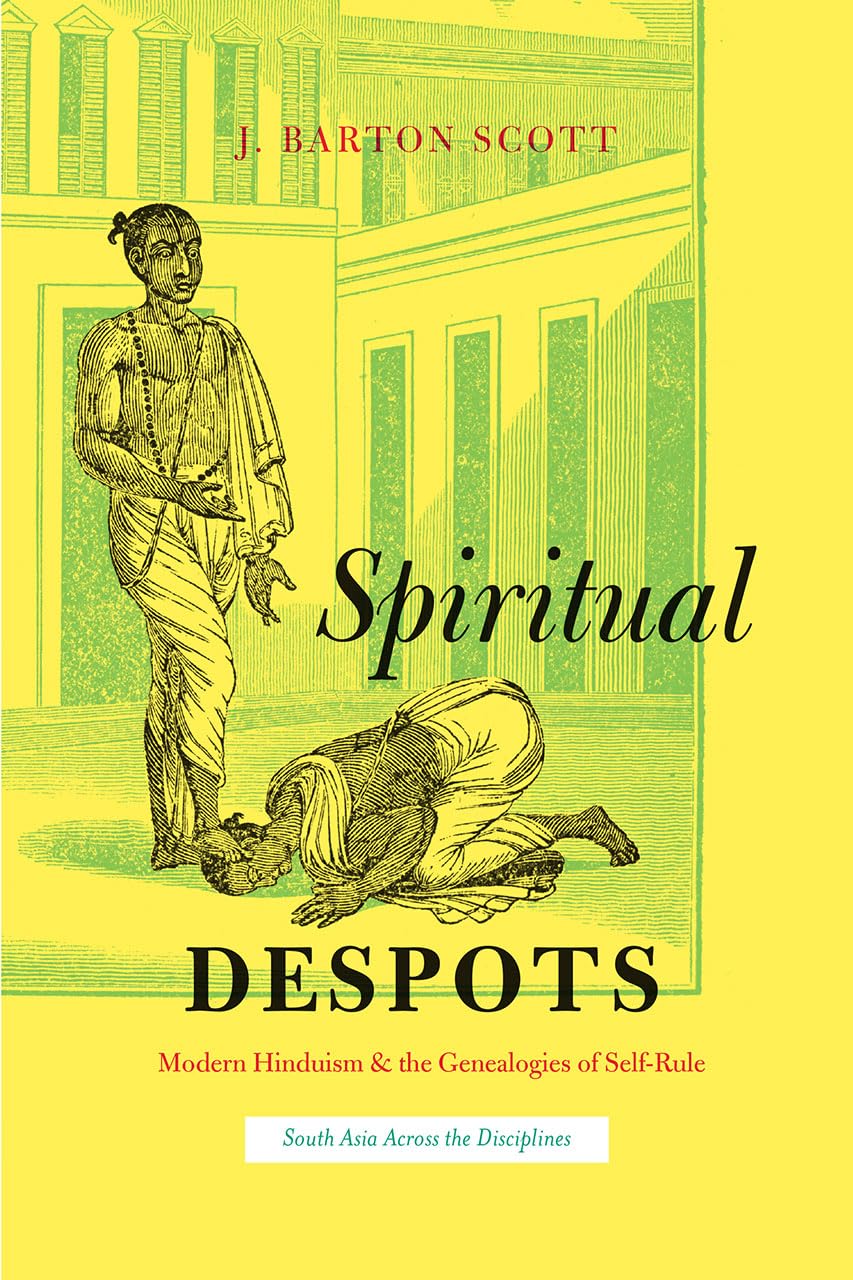
Historians of religion have examined at length the Protestant Reformation and the liberal idea of the selfgoverning individual that arose from it. In Spiritual Despots, J. Barton Scott reveals an unexamined piece of this story: how Protestant technologies of asceticism became entangled with Hindu spiritual practices to create an ideal of the selfruling subject crucial to both nineteenthcentury reform culture and early twentiethcentury anticolonialism in India. Scott uses the quaint term priestcraft to track anticlerical polemics that vilified religious hierarchy, celebrated the individual, and endeavored to reform human subjects by freeing them from external religious influence. By drawing on English, Hindi, and Gujarati reformist writings, Scott provides a panoramic view of precisely how the specter of the crafty priest transformed religion and politics in India.Through this alternative genealogy of the selfruling subject, Spiritual Despots demonstrates that Hindu reform movements cannot be understood solely within the precolonial tradition, but rather need to be read alongside other movements of their period. The books focus moves fluidly between Britain and Indiaengaging thinkers such as James Mill, Keshub Chunder Sen, Max Weber, Karsandas Mulji, Helena Blavatsky, M. K. Gandhi, and othersto show how colonial Hinduism shaped major modern discourses about the self. Throughout, Scott sheds muchneeded light how the rhetoric of priestcraft and practices of worldly asceticism played a crucial role in creating a new moral and political order for twentiethcentury India and demonstrates the importance of viewing the emergence of secularism through the colonial encounter.
⚠️ WARNING (California Proposition 65):
This product may contain chemicals known to the State of California to cause cancer, birth defects, or other reproductive harm.
For more information, please visit www.P65Warnings.ca.gov.