
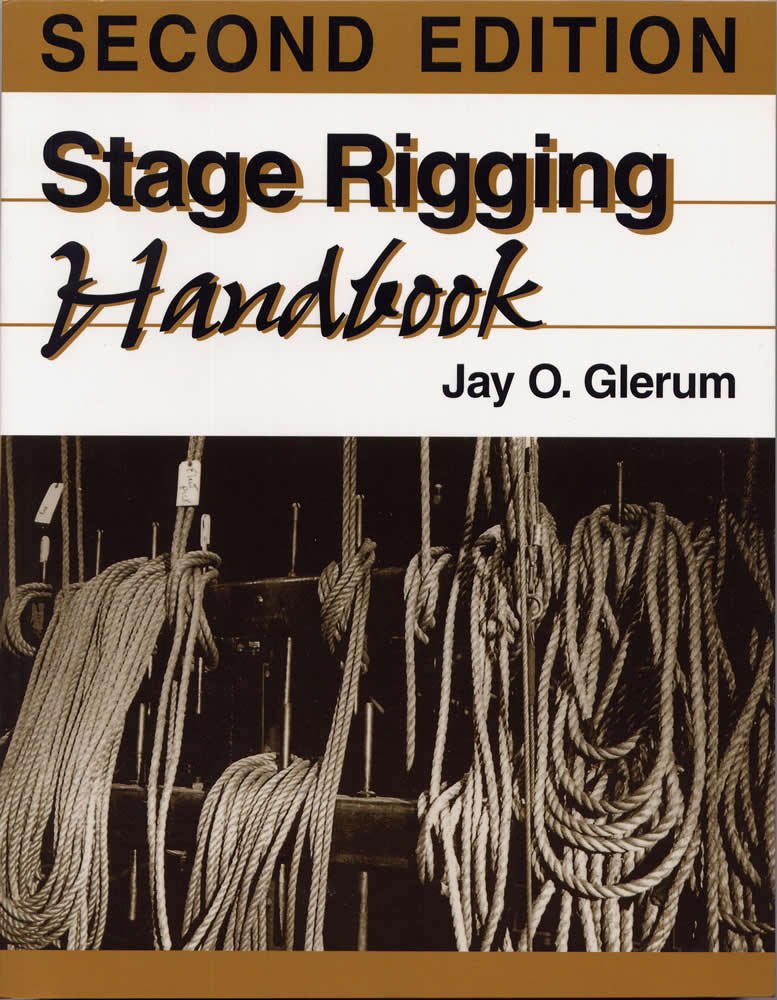
Title
Stage Rigging Handbook, Revised, 2Nd Edition,Used
Sold by Ergodebooks, an authorized reseller.
Returns accepted within 30 days | support@ergodebooks.com
Shipping Information
- Free Standard Shipping — United States only
- Processing Time: 3–5 business days
- Estimated Delivery: 6–10 business days after dispatch
- Double-boxed, fully insured & discreetly packaged
- Tracking number sent via email once dispatched
Returns & Refund
Returns accepted within 30 days of delivery.
Damaged or Defective Item
Free return shipping + replacement or full refund
Wrong Item Received
Free return shipping + replacement or full refund
Change of Mind
Return shipping at customer's expense · 25% restocking fee applies
Payment Option

Stage Rigging Handbook Is Written In An Ataglance Outline Form, Yet Contains Indepth Information Available Nowhere Else.This Second Edition Includes Two New Parts: The First, An Expanded Discussion Of The Forces And Loads On Stage Rigging Components And The Structure Supporting Them; The Second, An Examination Of Block And Tackle Rigging. The Remaining Four Parts Contain Numerous Revisions.Explaining His Purpose, Jay O. Glerum Points Out That Four Main Principles Constitute The Core Of This Book: Know The Rigging System; Know That It Is In Safe Working Order; Know How To Use It; Keep Your Concentration. Glerum Applies These Principles To All The Major Types Of Stage Rigging Systems, Including Block And Tackle, Hemp, Counterweight, And Motorized. He Describes Each Type Of Rigging And Then Thoroughly Reviews The Operating Procedures And Ways Of Inspecting Existing Systems.To Provide Background, Glerum Opens With The Basic Theory Of Applied Physics As It Relates To Rigging. Step By Step, He Explains The Calculations Required To Determine Safe Working Loads For Various Components. Glerums Many Anecdotes Help The Reader Translate Theory Into Reality.Glerum Then Turns To Four Separate And Detailed Treatments Of The Main Types Of Theatrical Rigging. His Thorough Descriptions Include Drawings That Identify Each Separate Component Of The Rigging. He Points Out The Advantages Of Each System, Detailing Everything From The Mechanical Advantage And The Effects Of Wear On Rope To The Best Ways To Tie Off The Pin Rail And To Store Weights. Because Stagecraft Often Has Been Handed Down Orally From One Stagehand To The Next, Incorrectas Well As Dangerousassumptions Exist In The Trade. Glerum Provides A Ready Reference For Everything From How To Tie A Knot To How To Effectively Communicate A Warning For A Runaway Set.Glerum Also Discusses Special Problems Such As Cutting Fiber Rope, Terminating Wire Rope, Attaching Drops And Framed Scenery, Using Trusses And Bridles, Dead Hanging, Tripping, Guiding Loads, And Other Topics. He Also Covers Recordkeeping, With Tips And Pointers On How To Establish An Inspection Log.
⚠️ WARNING (California Proposition 65):
This product may contain chemicals known to the State of California to cause cancer, birth defects, or other reproductive harm.
For more information, please visit www.P65Warnings.ca.gov.
- Q: How many pages are in the Stage Rigging Handbook? A: There are two hundred fifty-six pages in the Stage Rigging Handbook, Revised, 2nd Edition. This comprehensive guide covers detailed topics on stage rigging.
- Q: What are the dimensions of the book? A: The book measures seven point zero one inches in length, zero point seven five inches in width, and nine point zero two inches in height. These dimensions make it a portable resource for stagecraft professionals.
- Q: Is the binding of the book hardcover or paperback? A: The binding is paperback. This makes the book lightweight and easy to handle, suitable for both reading and referencing on the job.
- Q: What is the primary focus of the Stage Rigging Handbook? A: The primary focus is on teaching safe and effective rigging techniques. It emphasizes understanding rigging systems and their safe operation.
- Q: Who is the author of the Stage Rigging Handbook? A: The author is Jay O. Glerum, a recognized expert in the field of stage rigging. His extensive experience enhances the book's credibility.
- Q: What topics are covered in the book? A: The book covers various rigging systems, safety procedures, and inspection methods. It also discusses practical applications and theoretical background.
- Q: How can I apply the principles taught in the book? A: You can apply the principles by understanding the rigging system, ensuring its safety, and maintaining concentration during use. These core principles guide effective rigging practices.
- Q: Is this book suitable for beginners? A: Yes, this book is suitable for beginners and professionals alike. It provides foundational knowledge as well as advanced techniques for all levels.
- Q: What practical skills can I learn from this book? A: You can learn skills such as inspecting rigging systems, calculating safe working loads, and tying essential knots. The book includes detailed drawings and descriptions.
- Q: How should I care for the book to keep it in good condition? A: To keep the book in good condition, store it in a dry place and avoid exposing it to direct sunlight. Handle it gently to prevent wear and tear.
- Q: What if I receive a damaged copy of the book? A: If you receive a damaged copy, you can contact the seller for a return or replacement. Make sure to keep all packaging for the return process.
- Q: Can I use this book as a reference during a rigging job? A: Yes, this book serves as an excellent reference during rigging jobs. Its at-a-glance outline format makes it easy to find specific information quickly.
- Q: What types of rigging systems does the book discuss? A: The book discusses block and tackle, hemp, counterweight, and motorized rigging systems. Each type is thoroughly explained with advantages and procedures.
- Q: Is there a focus on safety in the book? A: Yes, safety is a major focus of the book. It emphasizes understanding the rigging system's safety and conducting regular inspections.
- Q: Does the book include illustrations? A: Yes, the book includes detailed illustrations that identify each component of the rigging systems. These visuals help clarify complex concepts.
- Q: Are there any new features in the revised edition? A: Yes, the revised edition includes expanded discussions on forces and loads, along with a new examination of block and tackle rigging. This enhances its educational value.