
Title
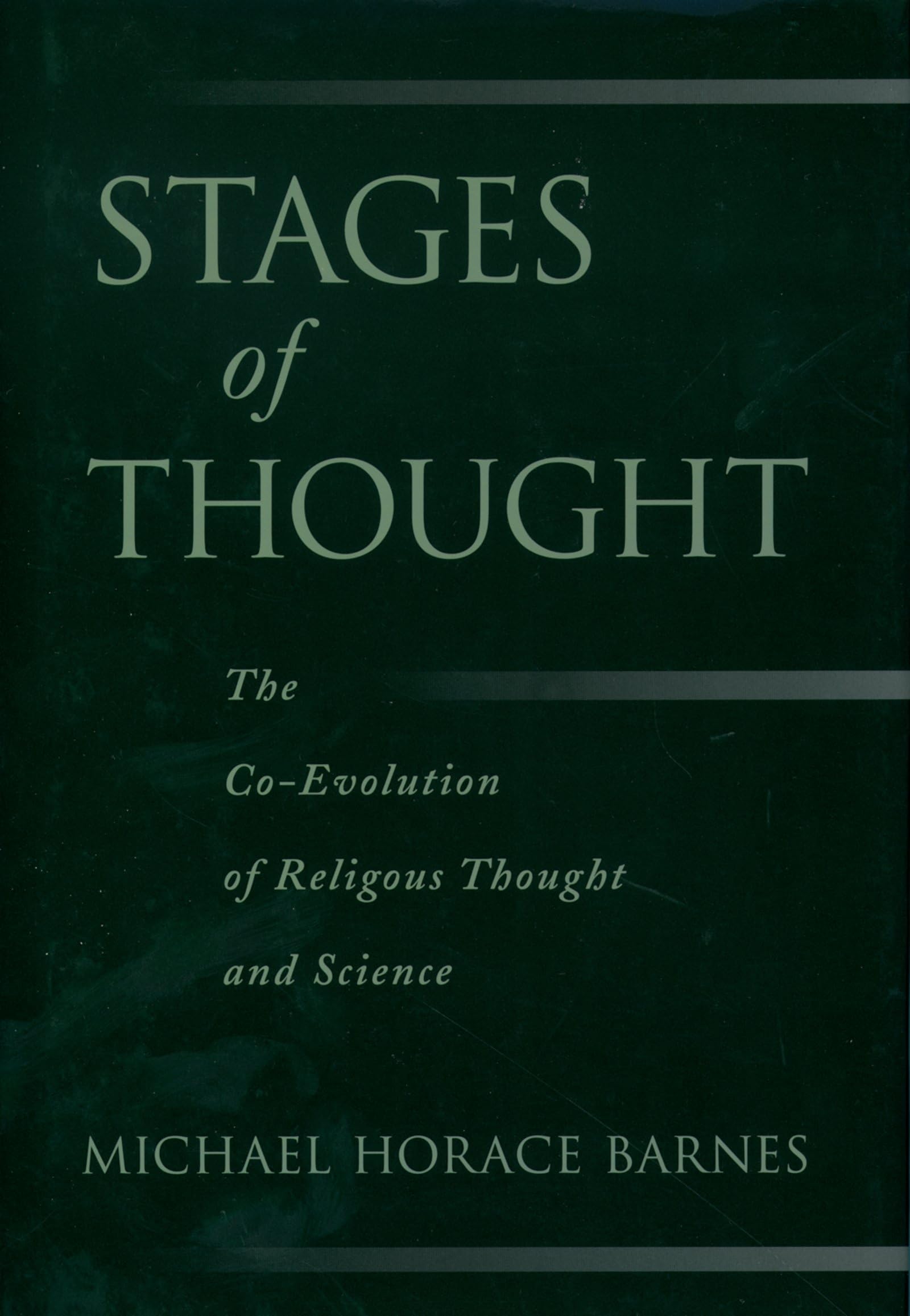
Stages Of Thought: The Coevolution Of Religious Thought And Science,Used
Sold by Ergodebooks, an authorized reseller.
Returns accepted within 30 days | support@ergodebooks.com
Shipping Information
- Free Standard Shipping — United States only
- Processing Time: 3–5 business days
- Estimated Delivery: 6–10 business days after dispatch
- Double-boxed, fully insured & discreetly packaged
- Tracking number sent via email once dispatched
Returns & Refund
Returns accepted within 30 days of delivery.
Damaged or Defective Item
Free return shipping + replacement or full refund
Wrong Item Received
Free return shipping + replacement or full refund
Change of Mind
Return shipping at customer's expense · 25% restocking fee applies
Payment Option

In Stages of Thought, Michael Barnes examines a pattern of cognitive development that has evolved over thousands of yearsa pattern manifest in both science and religion. He describes how the major world cultures built upon our natural human language skills to add literacy, logic, and, now, a highly critical selfawareness. In tracing the histories of both scientific and religious thought, Barnes shows why we think the way that we do today.Although religious and scientific modes of thought are often portrayed as contradictoryone is highly rational while the other appeals to tradition and faithBarnes argues that they evolved together and are actually complementary. Using the developmental thought of Piaget, he argues that cultures develop like individuals in that both learn easier cognitive skills first and master the harder ones later. This is especially true, says Barnes, because the harder ones often require first the creation of cognitive technology like writing or formal logic as well as the creation of social institutions that teach and sustain those skills. Barnes goes on to delineate the successive stages of the coevolution of religious and scientific thought in the West, from the preliterate cultures of antiquity up to the present time. Along the way, he covers topics such as the impact of literacy on human modes of thought; the development of formalized logic and philosophical reflections; the emergence of an explicitly rational science; the birth of formal theologies; and, more recently, the growth of modern empirical science.This groundbreaking book offers a thorough and persuasive argument in favor of the development of modes of thought across cultures. It will serve as an invaluable resource for historians of religion, philosophers and historians of science, and anyone interested in the relationship between religion and science.
⚠️ WARNING (California Proposition 65):
This product may contain chemicals known to the State of California to cause cancer, birth defects, or other reproductive harm.
For more information, please visit www.P65Warnings.ca.gov.