
Title
Staging Indigeneity: Salvage Tourism And The Performance Of Native American History
Sold by Ergodebooks, an authorized reseller.
Returns accepted within 30 days | support@ergodebooks.com
Shipping Information
- Free Standard Shipping — United States only
- Processing Time: 3–5 business days
- Estimated Delivery: 6–10 business days after dispatch
- Double-boxed, fully insured & discreetly packaged
- Tracking number sent via email once dispatched
Returns & Refund
Returns accepted within 30 days of delivery.
Damaged or Defective Item
Free return shipping + replacement or full refund
Wrong Item Received
Free return shipping + replacement or full refund
Change of Mind
Return shipping at customer's expense · 25% restocking fee applies
Payment Option

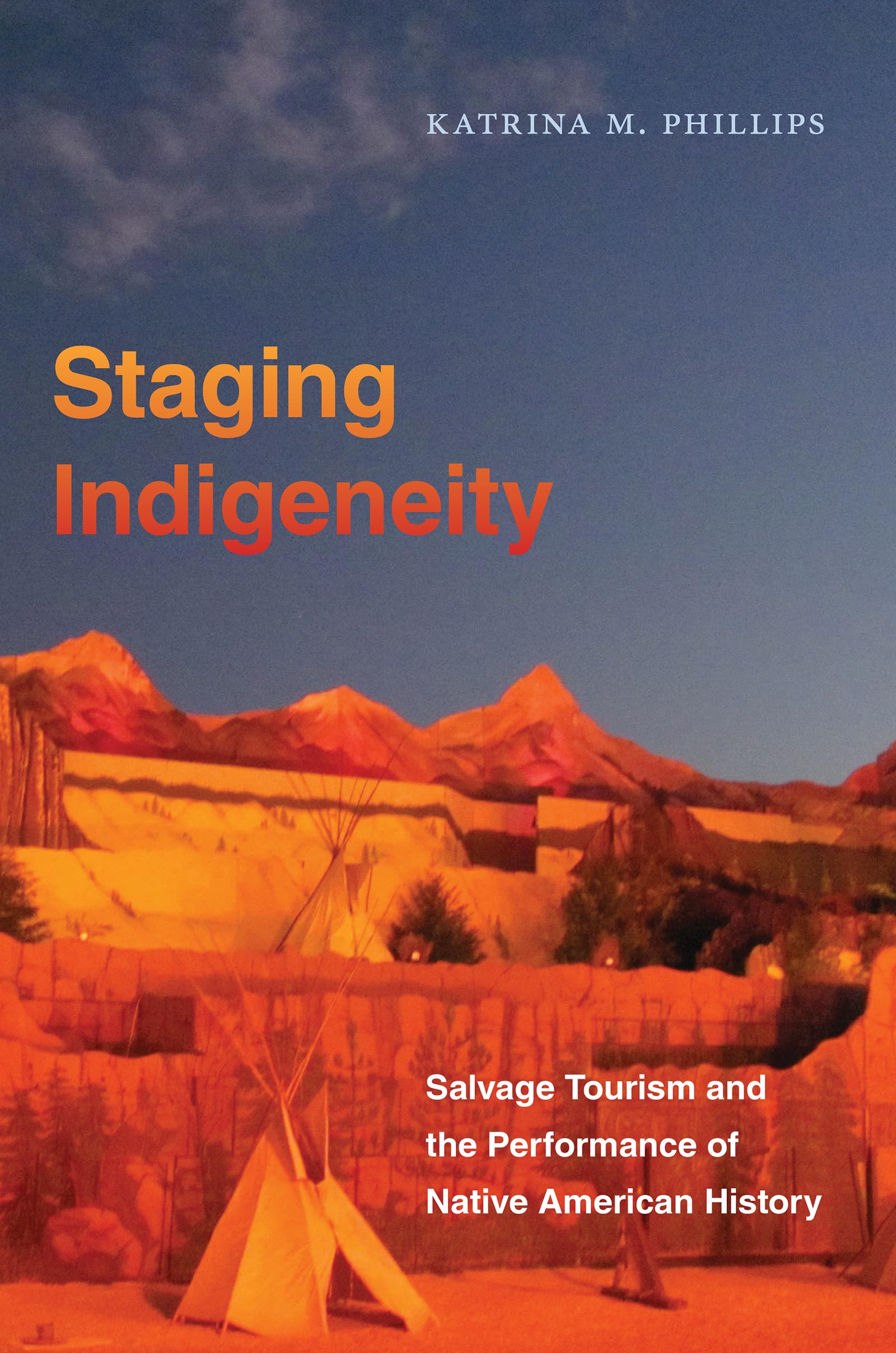
As Tourists Increasingly Moved Across The United States In The Late Nineteenth And Early Twentieth Centuries, A Surprising Number Of Communities Looked To Capitalize On The Histories Of Native American People To Create Tourist Attractions. From The Happy Canyon Indian Pageant And Wild West Show In Pendleton, Oregon, To Outdoor Dramas Like Tecumseh! In Chillicothe, Ohio, And Unto These Hills In Cherokee, North Carolina, Locals Staged Performances That Claimed To Honor An Indigenous Past While Depicting That Past On White Settlers' Terms. Linking The Origins Of These Performances To Their Presentday Incarnations, This Incisive Book Reveals How They Constituted What Katrina Phillips Calls Salvage TourismA Set Of Practices Paralleling Socalled Salvage Ethnography, Which Documented The Histories, Languages, And Cultures Of Indigenous People While Reinforcing A Belief That Native American Societies Were Inevitably Disappearing.Across Time, Phillips Argues, Tourism, Nostalgia, And Authenticity Converge In The Creation Of Salvage Tourism, Which Blends Tourism And History, Contestations Over Citizenship, Identity, Belonging, And The Continued Use Of Indians And Indianness As A Means Of Escape, Entertainment, And Economic Development.
⚠️ WARNING (California Proposition 65):
This product may contain chemicals known to the State of California to cause cancer, birth defects, or other reproductive harm.
For more information, please visit www.P65Warnings.ca.gov.
- Q: What is the binding type of this book? A: This book is a paperback. Paperback bindings are flexible and lightweight, making them easy to carry and read.
- Q: How many pages does this book have? A: This book contains two hundred sixty-two pages. Its length provides ample space for detailed exploration of the topics discussed.
- Q: What are the dimensions of this book? A: The book measures six point fourteen inches in length, zero point sixty-seven inches in width, and nine point twenty-five inches in height. These dimensions make it a convenient size for holding and reading.
- Q: Who is the author of this book? A: The author of this book is Katrina Phillips. She examines the intersections of tourism and Native American history in her work.
- Q: What genre does this book belong to? A: This book falls under the genre of History and Criticism. It provides critical insights into the representation of Native American history.
- Q: Is this book suitable for young readers? A: This book is best suited for adult readers due to its complex themes and critical analysis. It addresses intricate historical and cultural issues.
- Q: Can this book be used for academic purposes? A: Yes, this book is suitable for academic purposes. It provides an in-depth analysis of tourism's impact on Native American history, making it valuable for research.
- Q: How can I use this book in my studies? A: You can use this book to explore themes of salvage tourism and Indigenous representation in history. It serves as a resource for discussions and essays.
- Q: Does this book cover contemporary issues? A: Yes, the book links historical performances to contemporary issues regarding tourism and Indigenous identity. It addresses ongoing debates in these fields.
- Q: How should I store this book? A: Store this book in a cool, dry place to prevent damage. Keeping it upright on a shelf can help maintain its shape and prevent bending.
- Q: What if my book arrives damaged? A: If your book arrives damaged, you should contact the seller for a return or exchange. Most sellers have policies in place for damaged items.
- Q: Is there a warranty for this book? A: Books typically do not come with a warranty. However, if purchased new, most retailers offer return options for a limited time.
- Q: Can I return this book if I don't like it? A: Yes, you can usually return the book if it is in new condition, but check the specific return policy of the retailer you purchased it from.
- Q: What should I do if I have a question about the content? A: If you have questions about the content, consider reaching out to the author or publisher for clarification. Academic discussions or reviews can also provide insights.
- Q: Is this book available in other formats? A: Currently, this book is available in paperback format. Check with retailers for any additional formats like eBook or hardcover.