
Title
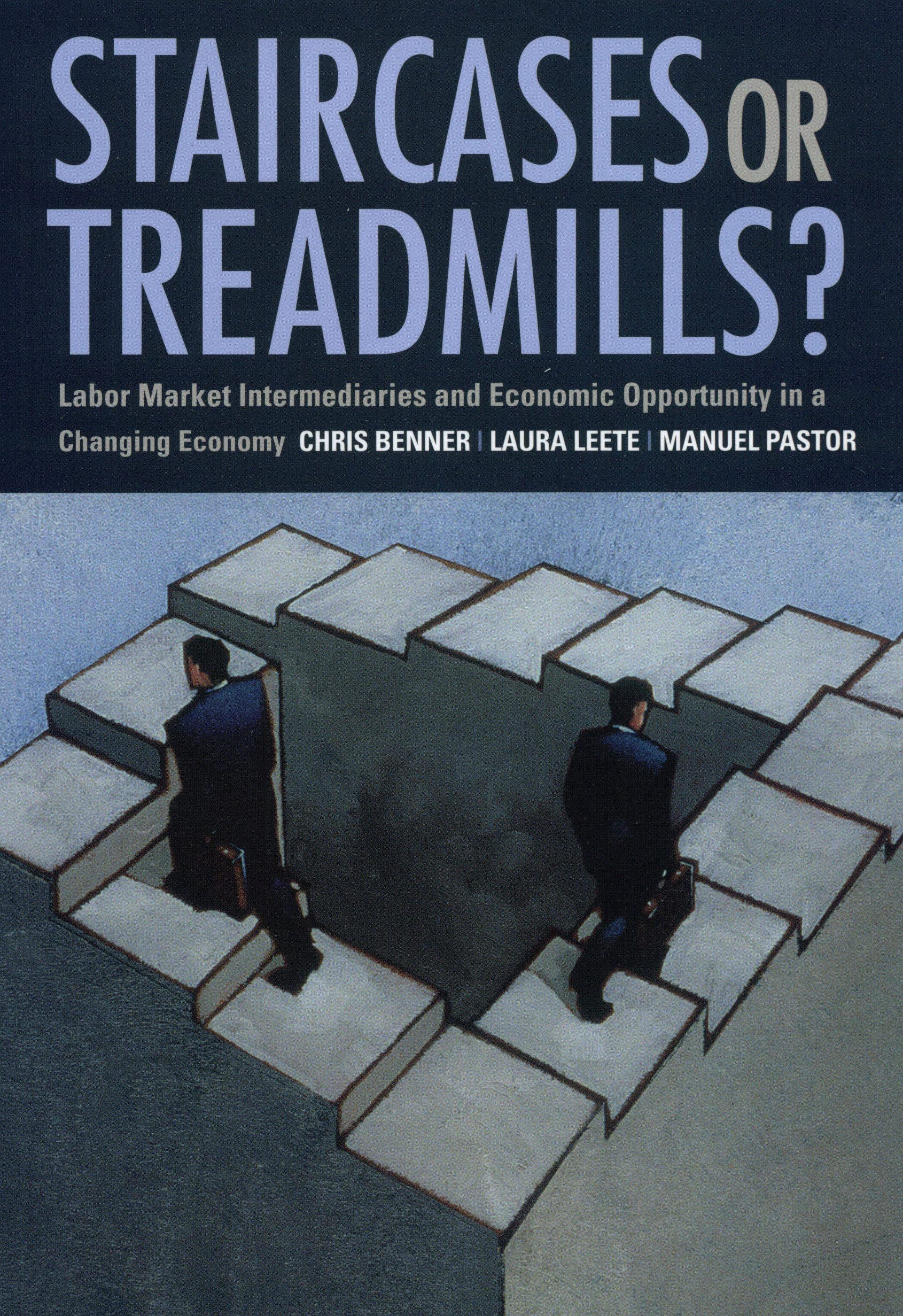
Staircases or Treadmills?: Labor Market Intermediaries and Economic Opportunity in a Changing Economy,Used
Sold by Ergodebooks, an authorized reseller.
Returns accepted within 30 days | support@ergodebooks.com
Shipping Information
- Free Standard Shipping — United States only
- Processing Time: 3–5 business days
- Estimated Delivery: 6–10 business days after dispatch
- Double-boxed, fully insured & discreetly packaged
- Tracking number sent via email once dispatched
Returns & Refund
Returns accepted within 30 days of delivery.
Damaged or Defective Item
Free return shipping + replacement or full refund
Wrong Item Received
Free return shipping + replacement or full refund
Change of Mind
Return shipping at customer's expense · 25% restocking fee applies
Payment Option

Globalization, technological change, and deregulation have made the American marketplace increasingly competitive in recent decades, but for many workers this 'new economy' has entailed heightened job insecurity, lower wages, and scarcer benefits. As the job market has grown more volatile, a variety of labor market intermediariesorganizations that help job seekers find employmenthave sprung up, from private temporary agencies to government 'OneStop Career Centers.' In Staircases or Treadmills? Chris Benner, Laura Leete, and Manuel Pastor investigate what approaches are most effective in helping workers to secure jobs with decent wages and benefits, and they provide specific policy recommendations for how jobmatching organizations can better serve disadvantaged workers. Staircases or Treadmills? is the first comprehensive study documenting the prevalence of all types of labor market intermediaries and investigating how these intermediaries affect workers' employment opportunities. Benner, Leete, and Pastor draw on years of research in two distinct regional labor markets'old economy' Milwaukee and 'new economy' Silicon Valleyincluding a firstofitskind random survey of the prevalence and impacts of intermediaries, and a wide range of interviews with intermediary agencies' staff and clients. One of the main obstacles that disadvantaged workers face is that social networks of families and friends are less effective in connecting jobseekers to stable, quality employment. Intermediaries often serve as a substitute method for finding a job. Which substitute is chosen, however, matters: The authors find that the most effective organizationsincluding many unions, community colleges, and local nonprofitsactively foster contacts between workers and employers, tend to make longterm investments in training for career development, and seek to transform as well as satisfy market demands. But without effective social networks to help workers locate the best intermediaries, most rely on private temporary agencies and other organizations that offer fewer services and, statistical analysis shows, often channel their participants into jobs with low wages and few benefits. Staircases or Treadmills? suggests that, to become more effective, intermediary organizations of all types need to focus more on training workers, teaching networking skills, and fostering contact between workers and employers in the same industries. A generation ago, rising living standards were broadly distributed and coupled with relatively secure employment. Today, many Americans fear that heightened job insecurity is overshadowing the benefits of dynamic economic growth. Staircases or Treadmills? is a stimulating guide to how private and public jobmatching institutions can empower disadvantaged workers to share in economic progress.
⚠️ WARNING (California Proposition 65):
This product may contain chemicals known to the State of California to cause cancer, birth defects, or other reproductive harm.
For more information, please visit www.P65Warnings.ca.gov.