If you have any questions, you are always welcome to contact us. We'll get back to you as soon as possible, withing 24 hours on weekdays.
Customer service
All questions about your order, return and delivery must be sent to our customer service team by e-mail at yourstore@yourdomain.com
Sale & Press
If you are interested in selling our products, need more information about our brand or wish to make a collaboration, please contact us at press@yourdomain.com
Help
If you have any questions, you are always welcome to contact us. We'll get back to you as soon as possible, withing 24 hours on weekdays.
Customer service
All questions about your order, return and delivery must be sent to our customer service team by e-mail at yourstore@yourdomain.com
Sale & Press
If you are interested in selling our products, need more information about our brand or wish to make a collaboration, please contact us at press@yourdomain.com
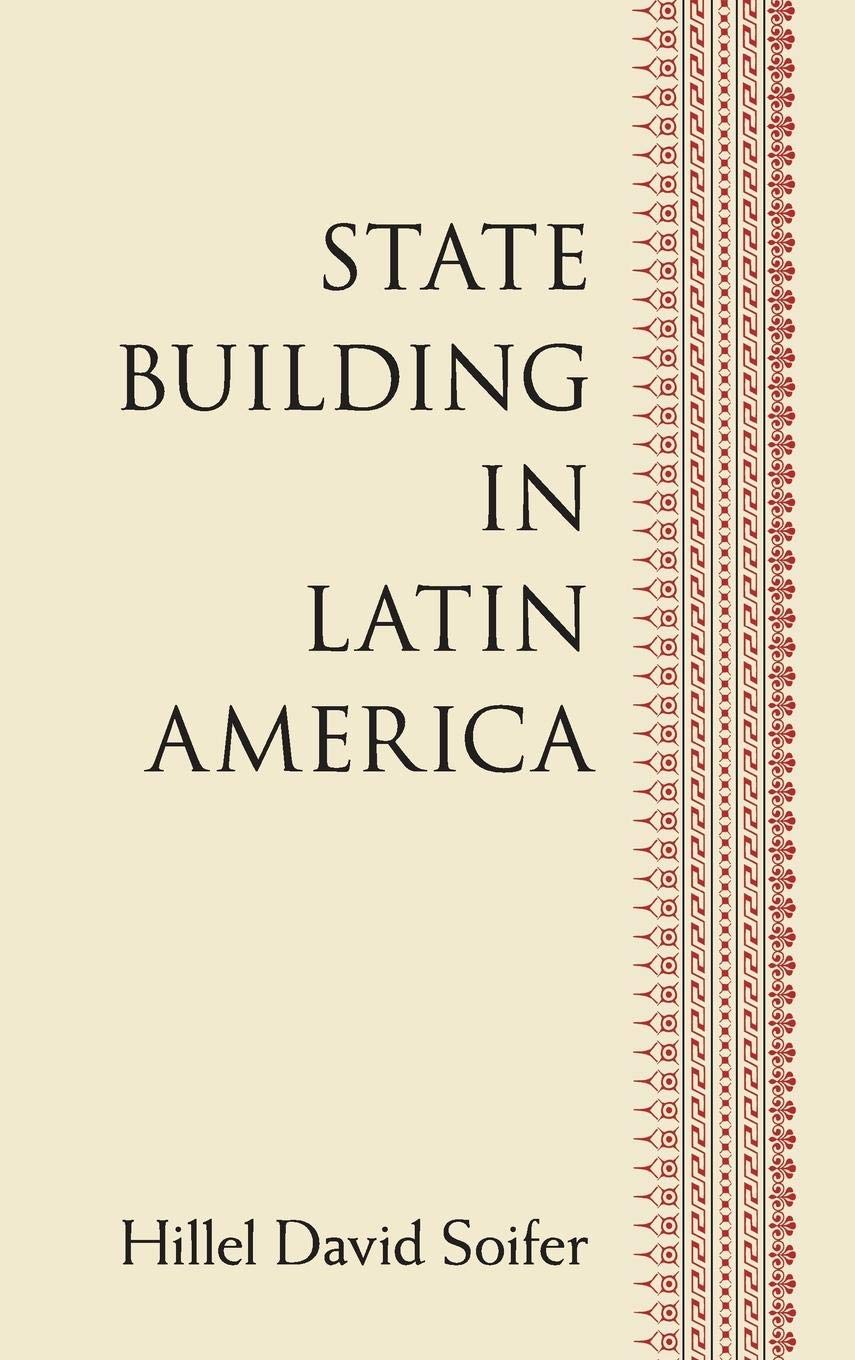
State Building in Latin America diverges from existing scholarship in developing explanations both for why statebuilding efforts in the region emerged and for their success or failure. First, Latin American state leaders chose to attempt concerted state building only where they saw it as the means to political order and economic development. Fragmented regionalism led to the adoption of more laissezfaire ideas and the rejection of state building. With dominant urban centers, developmentalist ideas and statebuilding efforts took hold, but not all statebuilding projects succeeded. The second plank of the book's argument centers on strategies of bureaucratic appointment to explain this variation. Filling administrative ranks with local elites caused even concerted statebuilding efforts to flounder, while appointing outsiders to serve as administrators underpinned success. Relying on extensive archival evidence, the book traces how these factors shaped the differential development of education, taxation, and conscription in Chile, Colombia, Mexico, and Peru.
⚠️ WARNING (California Proposition 65):
This product may contain chemicals known to the State of California to cause cancer,
birth defects, or other reproductive harm.
For MAP (Minimum Advertised Price) violations and Intellectual Property (IP) or Trademark concerns, please contact:
support@ergodebooks.com
⚠️ California Proposition 65 Warning: Some products sold on this website may expose you to chemicals known to the State of California to cause cancer, birth defects, or other reproductive harm. For more information, visit www.P65Warnings.ca.gov.