
Title
State Making and Environmental Cooperation: Linking Domestic and International Politics in Central Asia (Global Environmental Ac,Used
Sold by Ergodebooks, an authorized reseller.
Returns accepted within 30 days | support@ergodebooks.com
Shipping Information
- Free Standard Shipping — United States only
- Processing Time: 3–5 business days
- Estimated Delivery: 6–10 business days after dispatch
- Double-boxed, fully insured & discreetly packaged
- Tracking number sent via email once dispatched
Returns & Refund
Returns accepted within 30 days of delivery.
Damaged or Defective Item
Free return shipping + replacement or full refund
Wrong Item Received
Free return shipping + replacement or full refund
Change of Mind
Return shipping at customer's expense · 25% restocking fee applies
Payment Option

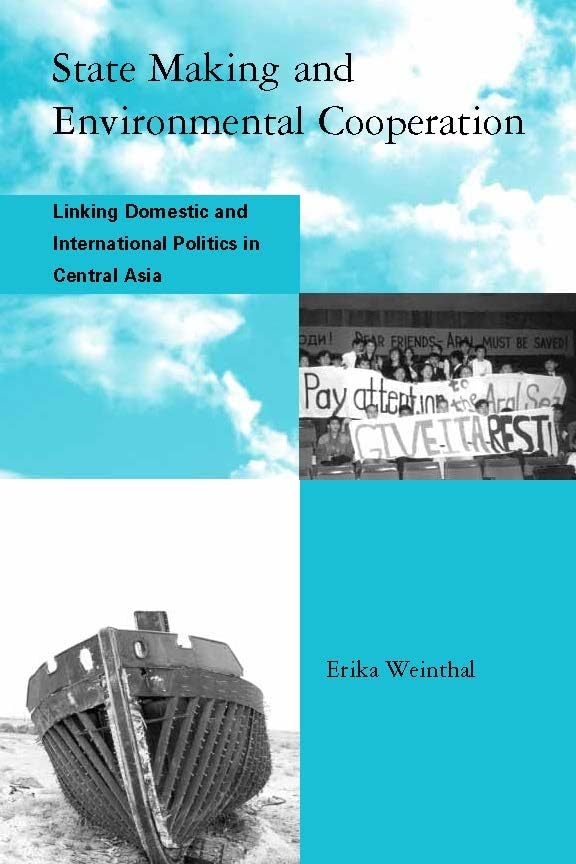
The Amu Darya and Syr Darya rivers of Central Asia flow across deserts to empty into the Aral Sea. Under Soviet rule, so much water was diverted from the rivers for agricultural purposes that salinity levels rapidly rose and the sea shrank. There was an upsurge in dust storms containing toxic salt residue, and a new desert began to replace the sea. At the same time, agricultural runoff rendered the drinking water unfit for human consumption.In this book Erika Weinthal examines how the Central Asian states of Kazakhstan, Kyrgyzstan, Tajikistan, Turkmenistan, and Uzbekistan have tackled the Aral Sea Basin crisis since the 1991 collapse of the Soviet Union. The Amu Darya now flows through three new nationstates, and the Syr Darya through four. This shakeup of political borders created a collectiveaction problem for the successor states. While they needed to consolidate domestic sovereignty, they also needed to relinquish sovereignty over their water resources in order to develop a joint solution to the desiccation of the Aral Sea. Weinthal examines why they were able to cooperate over their shared water resources. She emphasizes the roles of nonstate actors (international organizations, nongovernmental organizations, and bilateral aid organizations) in the building of institutions for regional cooperation and for state formation, shows how cooperation was nested within the statebuilding process when international thirdparty actors were involved, and highlights the dispensing of side payments (financial and material resources) by nonstate actors to aid both regional cooperation and state formation.
⚠️ WARNING (California Proposition 65):
This product may contain chemicals known to the State of California to cause cancer, birth defects, or other reproductive harm.
For more information, please visit www.P65Warnings.ca.gov.