
Title
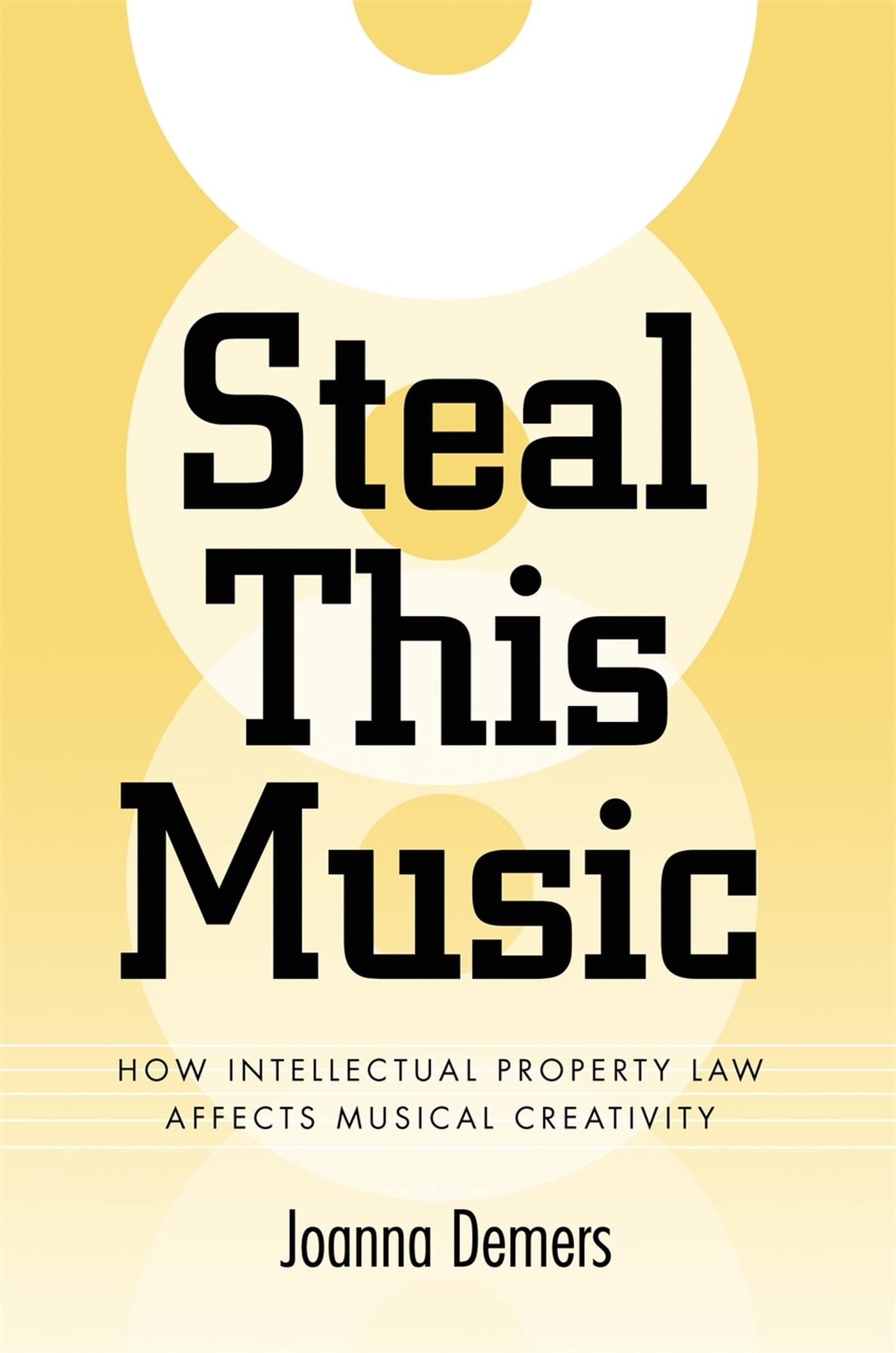
Steal This Music: How Intellectual Property Law Affects Musical Creativity,New
Sold by Ergodebooks, an authorized reseller.
Returns accepted within 30 days | support@ergodebooks.com
Shipping Information
- Free Standard Shipping — United States only
- Processing Time: 3–5 business days
- Estimated Delivery: 6–10 business days after dispatch
- Double-boxed, fully insured & discreetly packaged
- Tracking number sent via email once dispatched
Returns & Refund
Returns accepted within 30 days of delivery.
Damaged or Defective Item
Free return shipping + replacement or full refund
Wrong Item Received
Free return shipping + replacement or full refund
Change of Mind
Return shipping at customer's expense · 25% restocking fee applies
Payment Option

Is music property? Under what circumstances can music be stolen? Such questions lie at the heart of Joanna Demerss timely look at how overzealous intellectual property (IP) litigation both stifles and stimulates musical creativity. A musicologist, industry consultant, and musician, Demers dissects works that have brought IP issues into the mainstream culture, such as DJ Danger Mouses Grey Album and Mike Batts homagegonewrong to John Cages silent composition 433. Demers also discusses such artists as Ice Cube, DJ Spooky, and John Oswald, whose creativity is sparked by their defiant circumvention of licensing and copyright issues.Demers is concerned about the fate of transformative appropriationthe creative process by which artists and composers borrow from, and respond to, other musical works. In the United States, only two elements of music are eligible for copyright protection: the master recording and the composition (lyrics and melody) itself. Harmony, rhythm, timbre, and other qualities that make a piece distinctive are virtually unregulated. This twotiered system had long facilitated transformative appropriation while prohibiting blatant forms of theft. The advent of digital file sharing and the specter of global piracy changed everything, says Demers. Now, record labels and publishers are broadening the scope of IP infringement to include allusive borrowing in all forms: sampling, celebrity impersonationeven Girl Scout campfire singalongs.Paying exorbitant licensing fees or risking even harsher penalties for unauthorized borrowing have become the only options for some musicians. Others, however, creatively sidestep not only the law but also the very infrastructure of the music industry. Moving easily between techno and classical, between corporate boardrooms and basement recording studios, Demers gives us new ways to look at the tension between IP law, musical meaning and appropriation, and artistic freedom.
⚠️ WARNING (California Proposition 65):
This product may contain chemicals known to the State of California to cause cancer, birth defects, or other reproductive harm.
For more information, please visit www.P65Warnings.ca.gov.