
Title
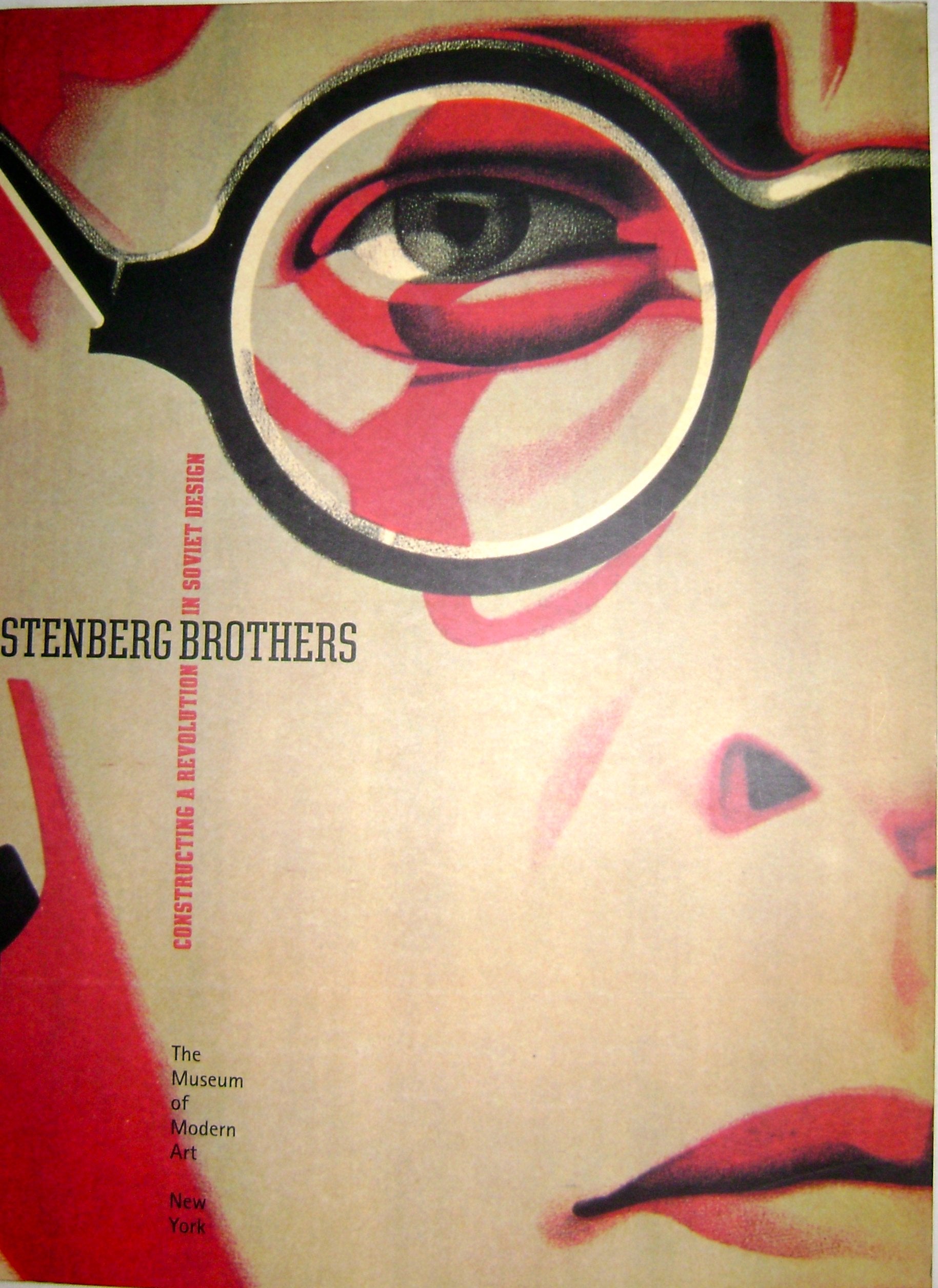
Stenberg Brothers: Constructing A Revolution In Soviet Design,Used
Sold by Ergodebooks, an authorized reseller.
Returns accepted within 30 days | support@ergodebooks.com
Shipping Information
- Free Standard Shipping — United States only
- Processing Time: 3–5 business days
- Estimated Delivery: 6–10 business days after dispatch
- Double-boxed, fully insured & discreetly packaged
- Tracking number sent via email once dispatched
Returns & Refund
Returns accepted within 30 days of delivery.
Damaged or Defective Item
Free return shipping + replacement or full refund
Wrong Item Received
Free return shipping + replacement or full refund
Change of Mind
Return shipping at customer's expense · 25% restocking fee applies
Payment Option

The Stenberg Brothers, Like Their Contemporaries Aleksandr Rodchenko And El Lissitzky, Were Artists Of Immensely Varied Interests And Eclectic Skills. They Were Sculptors, Architects, And Stage And Costume Designers, And Were Enamored Of The Film And Montage Theories Developed In The Suddenly Burgeoning Soviet Film Industry. As Seen In This Books Superb Colorplates, They Brought To Film Poster Design An Extraordinary Compositional Dynamism, Originality, And Contrast Of Scale, Employing Many Of The Artistic Conventions Of The Constructivist Movement To Great Effect.
⚠️ WARNING (California Proposition 65):
This product may contain chemicals known to the State of California to cause cancer, birth defects, or other reproductive harm.
For more information, please visit www.P65Warnings.ca.gov.
- Q: How many pages does this book have? A: This book has ninety-six pages. It features a collection of works and insights related to the Stenberg brothers' artistic contributions.
- Q: What type of binding does this book use? A: This book is paperback bound. This allows for a flexible and lightweight reading experience.
- Q: Who is the author of this book? A: The author is Peter Kenez. He provides a detailed exploration of the Stenberg brothers' revolutionary design concepts.
- Q: What themes are explored in this book? A: This book explores themes of Soviet design and Constructivist art. It highlights the brothers' impact on film poster design.
- Q: Is this book suitable for art students? A: Yes, this book is suitable for art students. It offers valuable insights into historical design movements and artistic practices.
- Q: Can this book be used for research purposes? A: Yes, this book can be used for research. It provides in-depth analysis and visual examples relevant to Soviet design.
- Q: How should I care for this book? A: To care for this book, keep it in a dry, cool place. Avoid exposure to direct sunlight to prevent fading.
- Q: Is this book safe for all ages? A: Yes, this book is generally safe for all ages. However, it is recommended for readers with an interest in art and design.
- Q: How should I store this book? A: Store this book upright on a shelf. Use a bookend if necessary to keep it from leaning and bending.
- Q: What if my book arrives damaged? A: If your book arrives damaged, you can contact the seller for a return or exchange. Keep all packaging materials for reference.
- Q: What is the return policy for this book? A: The return policy typically allows returns within thirty days of purchase. Check the specific seller's policy for details.
- Q: Can I find similar books on Soviet design? A: Yes, you can find similar books on Soviet design. Look for titles in the Decorative Arts & Design category.
- Q: Is this book a good gift for art enthusiasts? A: Yes, this book makes a great gift for art enthusiasts. Its unique perspective on Soviet design is both informative and engaging.
- Q: Are there any visual elements in this book? A: Yes, the book includes superb color plates. These visuals showcase the dynamism and originality of the Stenberg brothers' work.
- Q: How does this book compare to other design history books? A: This book stands out by focusing specifically on the Stenberg brothers and their unique contributions to Soviet design. It offers a niche perspective not always found in broader design history books.