
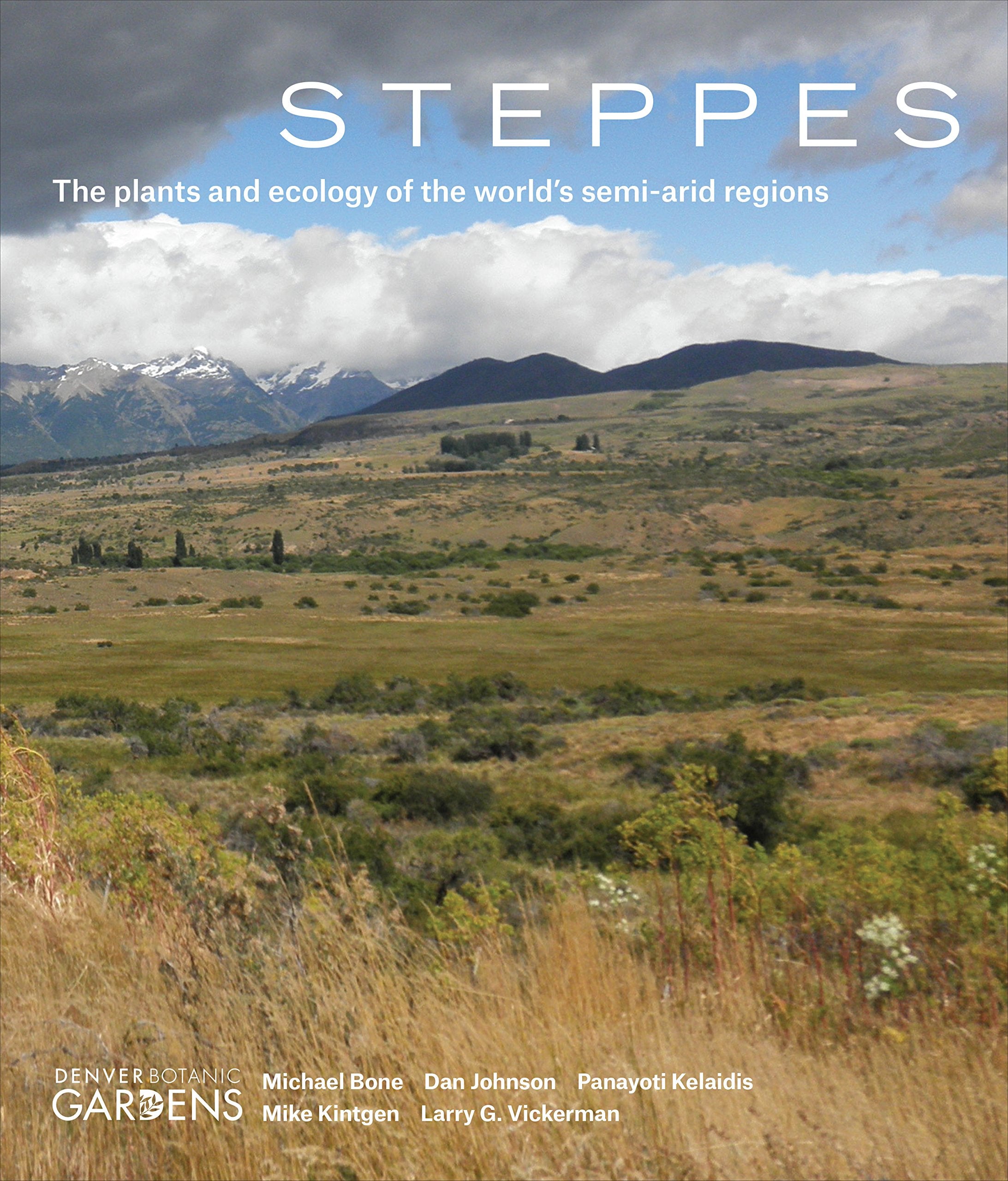
Title
Steppes: The Plants And Ecology Of The World'S Semiarid Regions
Sold by Ergodebooks, an authorized reseller.
Returns accepted within 30 days | support@ergodebooks.com
Shipping Information
- Free Standard Shipping — United States only
- Processing Time: 3–5 business days
- Estimated Delivery: 6–10 business days after dispatch
- Double-boxed, fully insured & discreetly packaged
- Tracking number sent via email once dispatched
Returns & Refund
Returns accepted within 30 days of delivery.
Damaged or Defective Item
Free return shipping + replacement or full refund
Wrong Item Received
Free return shipping + replacement or full refund
Change of Mind
Return shipping at customer's expense · 25% restocking fee applies
Payment Option

Steppessemiarid biomes dominated by forbs, grasses, and grasslike species, and characterized by extremes of cold and heatoccupy enormous areas on four continents. Yet these ecosystems are among the least studied on our planet. Given that the birth and evolution of human beings have been so intimately interwoven with steppe regions, it is amazing that so few attempts have been made to compare and quantify the features of these regions. In this groundbreaking volume, five leading voices in horticultureall staff members of Denver Botanic Gardensexamine the plants, climate, geology, and geography of the worlds steppes: central Asia, central and intermountain North America, Patagonia, and South Africa. Drawing upon their firsthand experience, the writers illuminate the distinctive features of each region, with a particular emphasis on the striking similarities between their floras. Each chapter includes a primer of species of horticultural interesta rich resource for readers with an interest in steppe plants.
⚠️ WARNING (California Proposition 65):
This product may contain chemicals known to the State of California to cause cancer, birth defects, or other reproductive harm.
For more information, please visit www.P65Warnings.ca.gov.
- Q: How many pages is the book 'Steppes: The Plants and Ecology of the World's Semi-arid Regions'? A: The book has three hundred sixty pages. This provides ample information about the plants and ecosystems of semi-arid regions.
- Q: What are the dimensions of this book? A: The book measures eight point eighty-eight inches in length, one inch in width, and ten point thirty-one inches in height. These dimensions make it a standard hardcover size.
- Q: Who is the author of this book? A: The author is Michael Bone. He is one of the leading voices in horticulture affiliated with Denver Botanic Gardens.
- Q: What type of binding does this book have? A: The book has a hardcover binding. This ensures durability and longevity for readers.
- Q: Is this book suitable for beginners in botany? A: Yes, this book is suitable for beginners. It provides accessible information and insights into the ecology and plants of semi-arid regions.
- Q: Can I use this book for academic purposes? A: Yes, it can be used for academic purposes. The detailed information and research presented make it a valuable resource for studies in ecology and botany.
- Q: How should I store this book to keep it in good condition? A: Store the book in a cool, dry place, away from direct sunlight. This helps preserve its binding and pages over time.
- Q: Are there any special care instructions for this hardcover book? A: No special care instructions are needed. Just handle it gently and keep it on a shelf to prevent wear.
- Q: Is this book appropriate for children? A: Yes, it is appropriate for older children interested in plants and ecology. However, parental guidance may be beneficial for younger readers.
- Q: What makes this book unique compared to other botany books? A: It uniquely focuses on the ecology and plant life of semi-arid regions, with insights from experts at Denver Botanic Gardens. This specialized perspective is not commonly found in other botany texts.
- Q: Can I find information on specific plant species in this book? A: Yes, the book includes a primer on species of horticultural interest. This serves as a valuable resource for readers looking to learn about specific plants.
- Q: What ecosystems does this book cover? A: It covers ecosystems in central Asia, central and intermountain North America, Patagonia, and South Africa. This broad scope highlights the diversity of semi-arid regions.
- Q: Is there a warranty or return policy for this book? A: Typically, books have a return policy based on the retailer's guidelines. Check with the specific seller for details regarding returns.
- Q: What if the book arrives damaged? A: If the book arrives damaged, contact the seller immediately for a replacement or refund. Most retailers offer a customer service option for such issues.
- Q: Are there illustrations or photographs in this book? A: Yes, the book includes colour photographs. These images enhance the understanding of the plants and ecosystems discussed.
- Q: Can this book be used for gardening purposes? A: Yes, it can be helpful for gardening enthusiasts. The insights on plant species and ecosystems can guide gardeners interested in semi-arid plants.