
Title
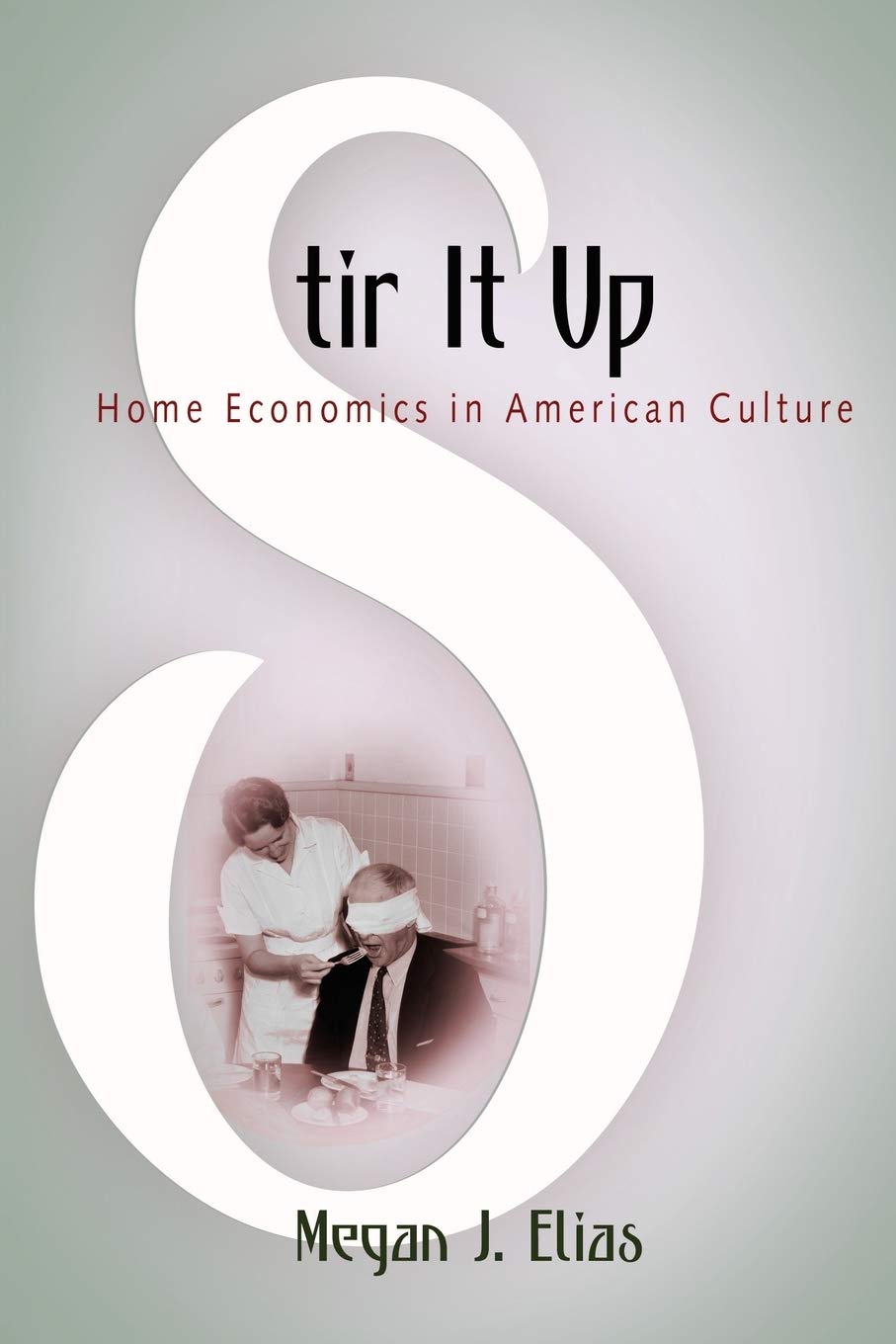
Stir It Up: Home Economics In American Culture,New
Sold by Ergodebooks, an authorized reseller.
Returns accepted within 30 days | support@ergodebooks.com
Shipping Information
- Free Standard Shipping — United States only
- Processing Time: 3–5 business days
- Estimated Delivery: 6–10 business days after dispatch
- Double-boxed, fully insured & discreetly packaged
- Tracking number sent via email once dispatched
Returns & Refund
Returns accepted within 30 days of delivery.
Damaged or Defective Item
Free return shipping + replacement or full refund
Wrong Item Received
Free return shipping + replacement or full refund
Change of Mind
Return shipping at customer's expense · 25% restocking fee applies
Payment Option

For Americans who came of age in the midtwentieth century, home economics conjures memories of burnt toast and sewing disasters. But as historian Megan Elias shows in Stir It Up, home economics began as an idealistic reform movement in higher education in the early 1900s. Leaders of this movement sought to discover and disseminate the best methods for performing domestic work while creating new professional options for women that were based on elements of home life. Home and family were treated as subjects for scientific analysis; students wore lab coats while baking bread and performed rigorous tests on the palatability of their work. The Federal Bureau of Home Economics supplied a grateful audience with informational bulletins as Americans seemed to accept the idea that home could be a site for social change.A major shift occurred in the 1950s, when new ideas about women's roles seemed to divert home economics into more traditional channels, and 'home ec' became identified with the era's conformist culture. Even as home economists were redefining family dynamics and influencing government policies, such as school lunch programs, their field was becoming an object of scorn, especially to the feminists of the 1960s. Stir It Up explains what the successes and failures of home economists can tell us about American culture. The book concludes with an examination of contemporary attitudes toward domesticity, putting the phenomena of Martha Stewart, Rachael Ray, Ty Pennington, and the 'Mommy Wars' into historical context.
⚠️ WARNING (California Proposition 65):
This product may contain chemicals known to the State of California to cause cancer, birth defects, or other reproductive harm.
For more information, please visit www.P65Warnings.ca.gov.