If you have any questions, you are always welcome to contact us. We'll get back to you as soon as possible, withing 24 hours on weekdays.
Customer service
All questions about your order, return and delivery must be sent to our customer service team by e-mail at yourstore@yourdomain.com
Sale & Press
If you are interested in selling our products, need more information about our brand or wish to make a collaboration, please contact us at press@yourdomain.com
Help
If you have any questions, you are always welcome to contact us. We'll get back to you as soon as possible, withing 24 hours on weekdays.
Customer service
All questions about your order, return and delivery must be sent to our customer service team by e-mail at yourstore@yourdomain.com
Sale & Press
If you are interested in selling our products, need more information about our brand or wish to make a collaboration, please contact us at press@yourdomain.com
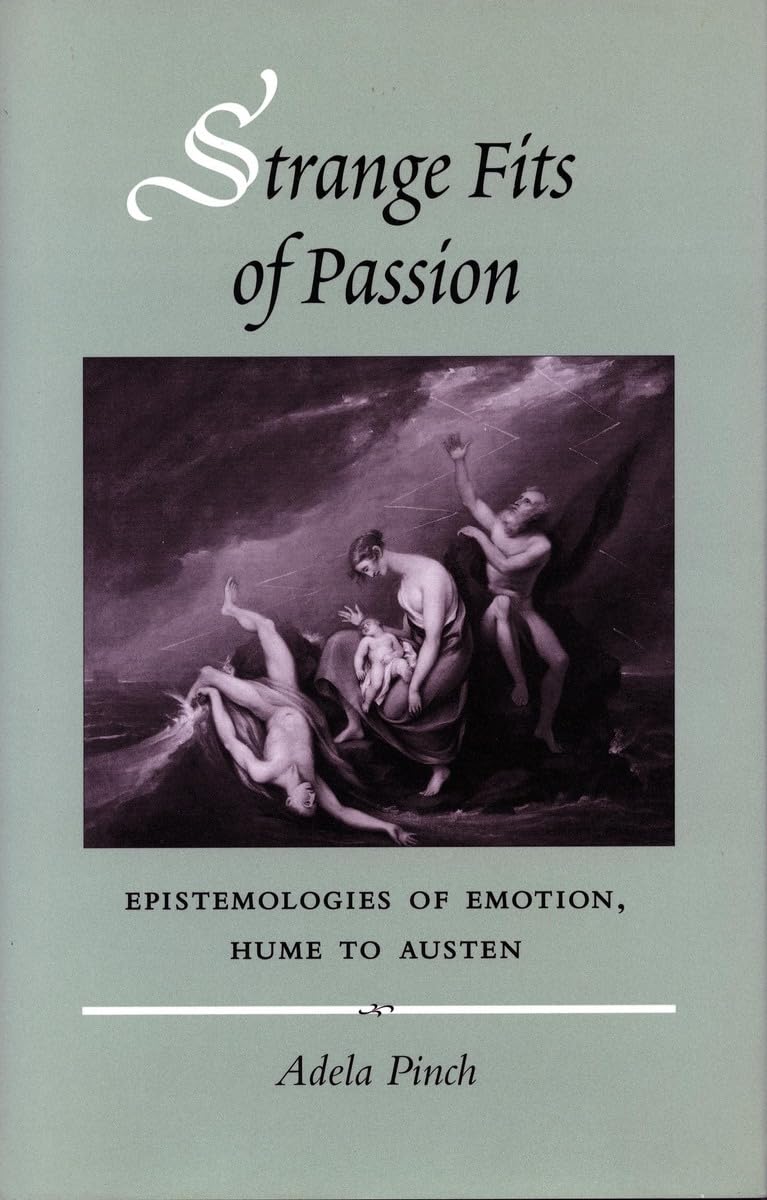
This book contends that when late eighteenth and early nineteenthcentury writers sought to explain the origins of emotions, they often discovered that their feelings may not really have been their own. It explores the paradoxes of representing feelings in philosophy, aesthetic theory, gender ideology, literature, and popular sentimentality, and it argues that this periods obsession with sentimental, wayward emotion was inseparable from the dilemmas resulting from attempts to locate the origins of feelings in experience.The book shows how these epistemological dilemmas became gendered by studying a series of extravagantly affective scenes: Humes extraordinary confession of his own melancholy in the Treatise of Human Nature; Charlotte Smiths insistence that she really feels the gloomy feelings portrayed in her Elegiac Sonnets; Wordsworths witnessing of a woman poet reading and weeping; tearful exchanges between fathers and daughters in the gothic novel; the climactic debate over the strengths of mens and womens feelings in Jane Austens Persuasion; and the poetic and public mourning of a dead princess in 1817.
⚠️ WARNING (California Proposition 65):
This product may contain chemicals known to the State of California to cause cancer,
birth defects, or other reproductive harm.
For MAP (Minimum Advertised Price) violations and Intellectual Property (IP) or Trademark concerns, please contact:
support@ergodebooks.com
⚠️ California Proposition 65 Warning: Some products sold on this website may expose you to chemicals known to the State of California to cause cancer, birth defects, or other reproductive harm. For more information, visit www.P65Warnings.ca.gov.