
Title
Streets And The Shaping Of Towns And Cities,Used
Sold by Ergodebooks, an authorized reseller.
Returns accepted within 30 days | support@ergodebooks.com
Shipping Information
- Free Standard Shipping — United States only
- Processing Time: 3–5 business days
- Estimated Delivery: 6–10 business days after dispatch
- Double-boxed, fully insured & discreetly packaged
- Tracking number sent via email once dispatched
Returns & Refund
Returns accepted within 30 days of delivery.
Damaged or Defective Item
Free return shipping + replacement or full refund
Wrong Item Received
Free return shipping + replacement or full refund
Change of Mind
Return shipping at customer's expense · 25% restocking fee applies
Payment Option

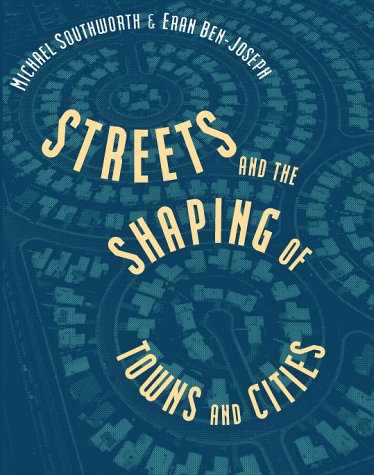
Explores How Street Standards And Layouts Affect A Neighborhood'S Character And Livability; Shows How Street Design Standards In Britain And The Us Have Changed Over The Past Two Centuries; Describes Various Street Design Approaches, Such As The Early Picturesque Suburbs, Checkerboard Grids, Branching Culdesacs, And Shared Streets; And Describes Strategies And Design Guidelines For Reducing Sprawl And Reestablishing A Sense Of Community Space. Annotation C. By Book News, Inc., Portland, Or.
⚠️ WARNING (California Proposition 65):
This product may contain chemicals known to the State of California to cause cancer, birth defects, or other reproductive harm.
For more information, please visit www.P65Warnings.ca.gov.
- Q: What is the binding type of this book? A: This book has a hardcover binding. Hardcover bindings are known for their durability and longevity, making them ideal for frequent use.
- Q: How many pages does this book contain? A: This book contains one hundred eighty-four pages. It offers a concise exploration of urban street design and its impact on community.
- Q: What are the dimensions of this book? A: The dimensions are eight inches in length, zero point seventy-five inches in width, and nine point seventy-six inches in height. These dimensions make it easy to store and handle.
- Q: Who is the author of this book? A: The author is Michael Southworth. He is recognized for his expertise in urban planning and design.
- Q: What is the primary focus of this book? A: The primary focus is on how street standards and layouts affect neighborhood character and livability. It examines historical changes in street design over two centuries.
- Q: Is this book suitable for urban planning students? A: Yes, this book is suitable for urban planning students. It provides valuable insights into street design and its implications for communities.
- Q: Can this book help in understanding community space design? A: Yes, it offers strategies and design guidelines for reducing sprawl and re-establishing a sense of community space. This is crucial for urban planners.
- Q: What types of street design approaches are discussed? A: The book discusses various approaches, including picturesque suburbs, checkerboard grids, branching cul-de-sacs, and shared streets. Each approach has unique impacts on livability.
- Q: Is there a specific region focused on in this book? A: Yes, it covers street design standards in both Britain and the United States. This comparative perspective enriches the understanding of urban planning.
- Q: How can this book be used in professional practice? A: This book can be used as a reference for urban planners and designers. Its insights can inform practical decisions about street layouts and community design.
- Q: Are there any illustrations in the book? A: Yes, the book includes illustrations to support its discussions. These visuals aid in understanding complex design concepts.
- Q: What age group is this book appropriate for? A: This book is appropriate for adults and older students interested in urban design. Its content is academically rigorous.
- Q: Does this book include historical context about street design? A: Yes, it describes how street design standards have evolved over the past two centuries. This historical context is vital for understanding current practices.
- Q: What kind of strategies does the book propose for community space? A: The book proposes strategies for reducing urban sprawl and enhancing community spaces. These strategies aim to foster a sense of belonging and connectivity.
- Q: Is this book a good resource for civic planners? A: Yes, it serves as a valuable resource for civic planners. The insights can help in crafting policies that promote sustainable urban environments.